
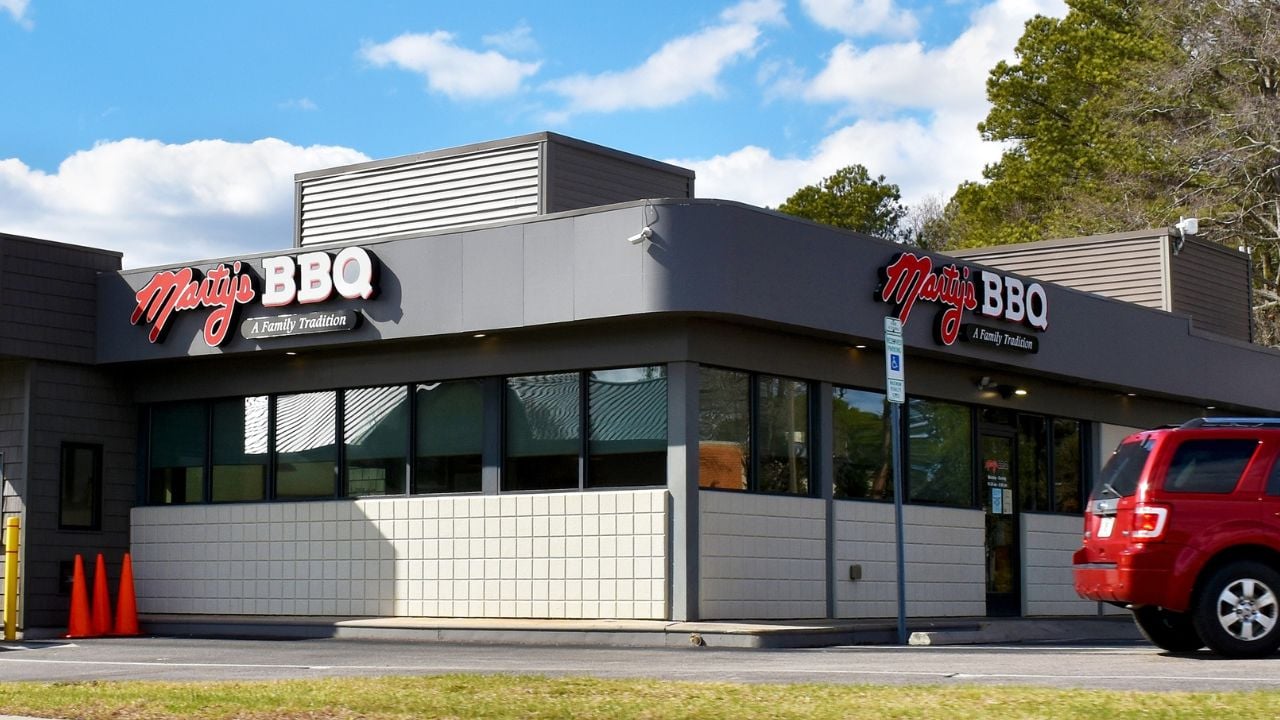
8 North Carolina Barbecue Rules Out-of-Staters Break at Their Own Risk

Two North Carolina towns claim the exact same nickname, and neither one is giving it up.
National Geographic crowned one of them “the barbecue capital of the world” back in 1979.
The other has its own claim written into state law.
These are the North Carolina barbecue rules that catch visitors off guard, and what happens when someone breaks one.
1. Using “Barbecue” as a Verb
In North Carolina, barbecue is a noun, not a verb, and locals notice within a sentence when a visitor gets that backward.
Ask someone from Rocky Mount or Wilson if they’re “barbecuing” burgers tonight, and expect a pause before the answer comes.
North Carolina treats barbecue as only a noun, meaning the pork itself or the cookout where people serve it, never the act of standing over a grill.
Grilling is grilling.
A cookout of hot dogs and burgers isn’t “a barbecue” to a native Tar Heel, no matter how casually a visitor uses the word.
The correction lands mid-sentence, and it comes from someone who has never once made the same mistake.
2. Pouring on the Wrong Sauce
North Carolina barbecue’s hardest line runs through sauce, and crossing it marks a visitor faster than an accent does.
East of the Piedmont, the sauce stays vinegar, pepper, and salt, no tomato at all, ladled straight onto whole hog.
Lexington and the Piedmont use what locals call the “dip,” still vinegar underneath, but with ketchup stirred in for color and a little sweetness.
There isn’t a clean line on a map separating the two, whatever anyone tells you about a boundary along a particular highway.
That loyalty runs deep.
A bottle of thick, tomato-heavy sauce from home never makes it near a plate of eastern whole hog, and “regular barbecue sauce” isn’t a phrase that means anything here.
3. Calling Brisket “The Barbecue”
Pork is non-negotiable in North Carolina barbecue, and treating it as a preference undersells how close the rule comes to a formal definition.
A group of North Carolina barbecue historians keeps an informal checklist for what counts as an authentic joint, and pork cooked over wood sits at the top of it.
Ask for “the barbecue” at a place like Skylight Inn or Wilber’s and mean beef, and the order won’t make sense to whoever is standing behind the counter.
Pork is the point.
A newer wave of joints, like Prime Barbecue near Raleigh, now smokes Texas-style brisket alongside whole hog on purpose, blending traditions instead of picking one.
That’s a modern exception, and many old-school counters up and down the state still won’t have brisket anywhere on the menu.
What Counts as “Authentic” North Carolina Barbecue
North Carolina has no law defining “authentic” barbecue, no matter how often the question comes up at a counter.
The closest thing is the informal checklist North Carolina barbecue historians already use to judge a joint.
Their checklist calls for a restaurant that cooks exclusively over wood or charcoal, prepares its meat on-site, serves pork, and matches its sauce to its own region.
Skip even one of those, like swapping in a gas smoker, and purists say the barbecue doesn’t count anymore.
4. Scraping the Slaw off Your Sandwich
A classic North Carolina barbecue sandwich comes with coleslaw piled onto the meat, not handed over as a side.
Lexington Barbecue, a well-known counter, lists its chopped and sliced sandwiches as coming “with slaw” by default, not as something a customer requests.
Scrape it off, or ask for it on the side instead, and the person behind the counter will clock it as a first visit.
It’s not a topping.
Which slaw shows up still depends on the region: Eastern counters lean toward mayonnaise-based white slaw, and Lexington counters serve the red, ketchup-based version, per Visit North Carolina’s own barbecue guide.
5. Naming the Wrong Barbecue Capital
North Carolina has two barbecue capitals depending on who’s asked, and mixing them up in front of the wrong crowd starts an argument.
National Geographic named Ayden’s Skylight Inn the barbecue capital of the world in 1979, a title the restaurant still leans on today.
Lexington makes the same claim for itself, and its own state law establishing its barbecue festival states outright that the town “has been referred to as the Barbecue Capital of the World.”
Neither side backs down.
Praising the wrong town’s title in front of the other one’s fans, at a Lexington counter or an eastern pig pickin’ alike, earns a quick, good-natured correction every time.
6. Asking Which Style Is Official
North Carolina lawmakers tried to settle the barbecue rivalry once, and it went about as well as anyone from either camp could have guessed.
In 2005, Reps. Jerry Dockham and Hugh Holliman introduced a bill making Lexington’s festival the state’s official barbecue festival, and eastern pushback killed it in the House.
Columnist Dennis Rogers summed up the eastern side that year in the Raleigh News & Observer: writing that people who put ketchup in barbecue sauce were capable of most anything.”
It got personal.
Dockham and Holliman tried again in 2007 under a friendlier name, “State Food Festival,” and the House passed it 98 to 12, but senators from Raleigh and Charlotte narrowed it further, worried it would favor Lexington over their own festivals.
Ask a North Carolinian which barbecue style counts as the “real” North Carolina barbecue, and the topic still runs hot enough to earn its own warning label.
Greensboro News & Record columnist Rosemary Roberts once put it bluntly, writing that taking on Tar Heel barbecue traditions in print was riskier than criticizing the National Rifle Association.”
7. Standing Back at a Pig Pickin’
A North Carolina pig pickin’ expects the guests to do some of the work themselves.
The tradition centers on a whole hog cooked slowly over wood, then set out for everyone to pull meat straight off the animal by hand.
Stand back with a plate and wait for someone to serve you, and it’ll be obvious you’ve never been to one.
Dig in.
North Carolina pig pickin’s turn up at church fundraisers, family reunions, and campaign stops alike, and the hands-on part is the whole point, not an inconvenience.
8. Not Picking Your Chop
North Carolina barbecue counters, like Lexington Barbecue’s, expect a customer to answer one question fast: Chopped, sliced, or coarse chopped.
Lexington Barbecue lists chopped, sliced, and coarse chopped barbecue at three separate prices, with no single “regular” default.
Freeze at the register, or ask what the difference even is, and you’ll hear a collective sigh from the line behind you.
Chopped is fine-cut and mixed through with sauce, sliced keeps the meat in strips, and coarse chopped splits the difference, chunkier and less saucy.
Pick one.
Know your order before you reach the counter.
At Lexington Barbecue, the register rings up chopped, sliced, and coarse chopped as three separate line items, never one generic button marked “regular.”
Say “regular” anyway, and the person taking your order just asks again until you name one of the three.
8 North Carolina Beach Towns Tourists Are Slowly Ruining for Everyone Else
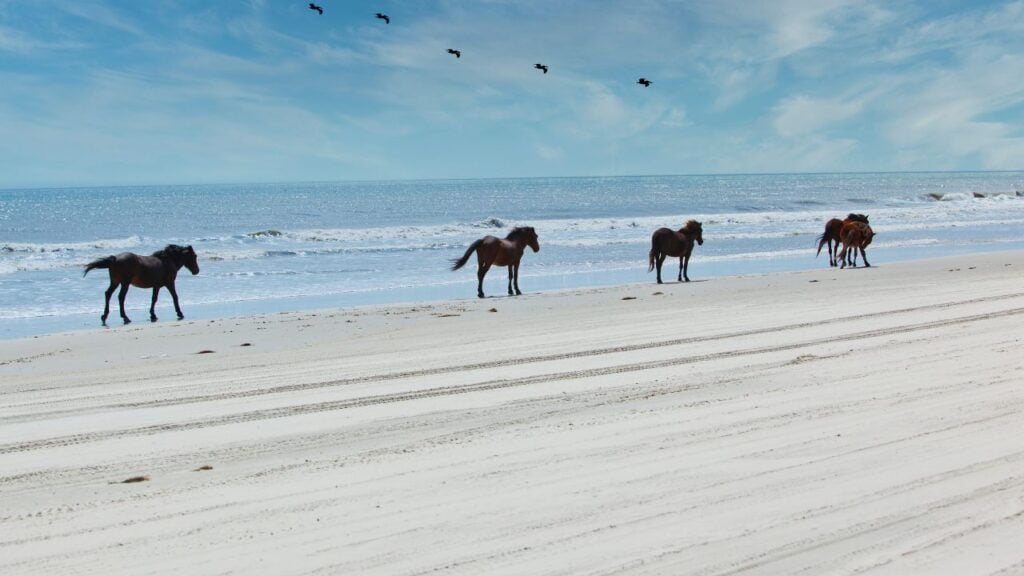
North Carolina’s prettiest beach towns are being loved to pieces, and the ferry line to Ocracoke proves it best.
The wait for a boat can outlast the drive that got a visitor there in the first place, and that’s just one of the towns feeling the squeeze.
8 North Carolina Beach Towns Tourists Are Slowly Ruining for Everyone Else
9 North Carolina HOA Rules Homeowners Wish They’d Read Before Signing
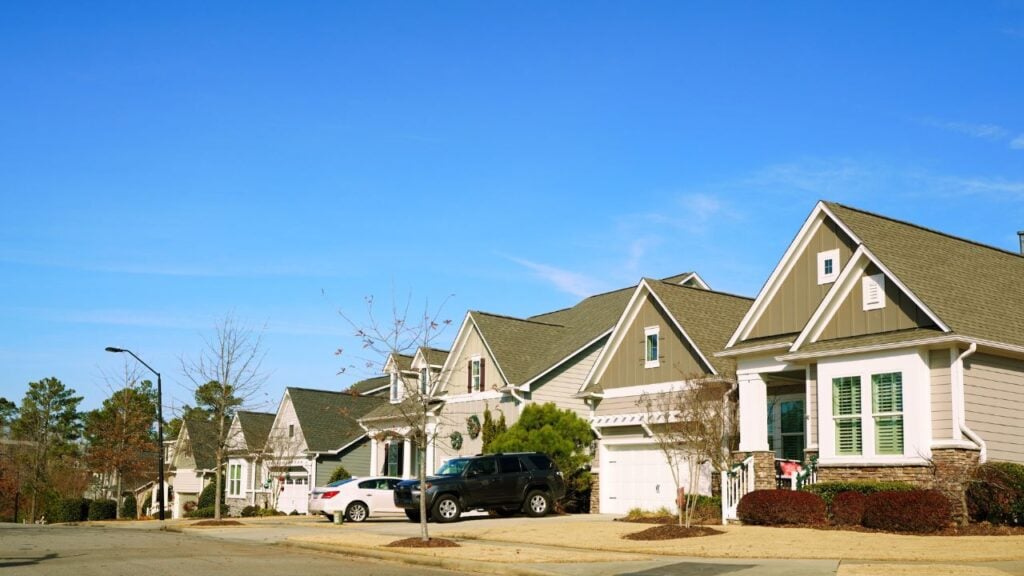
A couple signs the closing papers on a new build outside Cary and skims past the thick stack underneath the loan disclosures.
That stack is the homeowners association’s declaration and bylaws, and North Carolina law backs every page of it, from the fines a board can charge to the limits stopping it from charging more.
9 North Carolina HOA Rules Homeowners Wish They’d Read Before Signing
