
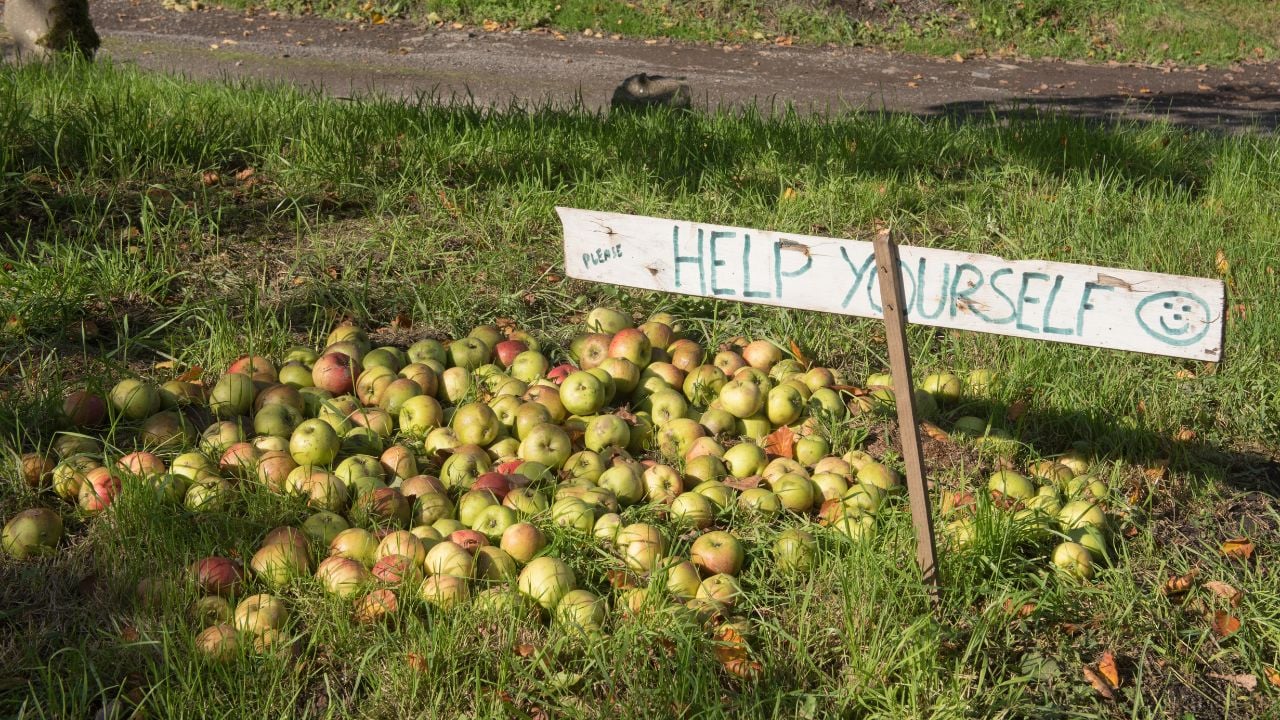
8 New York Farm Fruit Picking Rules Visitors Learn the Hard Way in September

New York’s roughly 600 commercial apple growers work about 55,000 acres of orchards.
Almost every one has their own rules for visitors.
A rule that’s second nature at one orchard can get a visitor turned around at the next one over.
These are the fruit picking rules at some New York farms that some visitors learn the hard way.
Bringing Your Own Picking Bag
Fishkill Farms hands every picker a container at the gate, and it doesn’t let anyone bring their own.
A cooler, a canvas tote, a grocery bag from home: None of it gets past the check-in table.
Bowman Orchards runs the same way, just with the container tied to whatever a picker is after.
September is the month raspberries, peaches, and apples all come off Bowman’s trees and canes at once.
Berries take a quart per picker. Apples take a peck bag split two ways.
Pick both fruits in the same trip, and a visitor needs both containers before reaching the rows.
Bring one bag from home instead, and a staffer will swap it out at the check-in table before letting you through.
No exceptions.
The rule exists to keep the fruit accounted for, row by row, all season long.
Skipping the Weekend Reservation
Pennings Farm Market won’t guarantee a walk-in visitor a spot once the weekend crowd shows up.
Its peak weekends require a reservation, made ahead, before a picker gets through the gate.
Fishkill Farms works the same way, selling picking slots for groups of up to five people, with room to add a couple more for eight dollars each at check-in.
Show up on a Saturday in September with no booking, and the answer at both farms is the same.
Not today.
Weekday visits skip the reservation requirement at many orchards, so a Tuesday afternoon comes with far less hassle.
Assuming Every Orchard Welcomes Pets
Milk Pail Orchard doesn’t allow pets anywhere on the property, pointing to food safety rules that apply to a working farm.
Fishkill Farms draws a narrower line: Dogs are welcome in the courtyard and on the cider porch, just not in the orchard or anywhere food grows.
Bring one along to a Fishkill picking reservation anyway, and staff turn the visitor away at the gate without a refund.
Bowman Orchards sits in the middle of the two: Leashed dogs roam the grounds, but the stores, the wagons, and the berry rows all stay off-limits.
Masker Orchards goes further than either of them, welcoming leashed dogs through the picking rows themselves, not just the grounds around them.
The rules never match.
What “Pet Friendly” Means at an Orchard
Beak & Skiff allows leashed dogs across its entire Central New York property, but the welcome stops at the orchard gate.
Dogs never enter the pick-your-own rows or the retail buildings there, even though the wider grounds welcome them.
Milk Pail Orchard’s ban follows the same food-safety logic every working farm uses: Animals stay out of a field that’s about to become somebody’s dinner.
Eating What You Just Picked
Bowman Orchards backs a strict no-picnicking rule inside its u-pick rows, and the sign at the gate says so plainly.
Snack breaks move to the pavilion instead, away from the trees.
Fishkill Farms goes further: Fruit picked in the field stays in the bag, unwashed and unpaid for, until it clears the register.
Eat an apple straight off the tree there, and the farm calls it exactly what it calls fruit that leaves without getting paid for: Theft.
Staff check every trunk at the exit gate.
They can search every bag brought into the picking rows on the way out too.
That check is where staff notice fruit that never made it to the register.
Psst! How much do you know about New York’s apple industry and orchard history? Take our quiz and see how many you can get right.
Quiz
New York Harvest IQ
Answer these questions on New York’s apples, orchards, and farm history. We bet you can’t get them all right. Prove us wrong?
What is New York’s official state fruit, made official in 1976?
Expecting to Pay at the Gate
Masker Orchards doesn't collect a dime until a picker is ready to leave.
Pickers head straight to the rows with a bag, fill it at their own pace, then check out at their car the way a server closes a restaurant tab.
Fishkill Farms runs it the opposite way.
A picker there pays for the reservation and its containers up front, at check-in, before setting foot in the orchard.
A picker who fills every prepaid container and wants more has to walk back to check-in for an add-on before picking another apple.
There's no tab that closes at the car the way Masker's does.
Ducking Under the Rope
Pennings Farm Market bans climbing trees, shaking branches, and throwing fruit at friends across a row.
Milk Pail Orchard adds its own version, roping off entire rows while the apples on them are still ripening.
Pickers stay in the open sections instead, and the rope isn't a suggestion.
Bowman Orchards puts a price on ducking under one anyway, charging more than ten dollars a pound for any fruit picked outside the day's approved rows.
That's the fee for apples that were never on the list, not the apples a picker already paid for at check-in.
A shaken branch still drops fruit nobody paid for onto the ground, where it bruises and rots instead of finding a buyer.
Stick to the marked rows instead, and the ten-dollar charge never comes up.
Walking out to the Trees Yourself
Beak & Skiff, in Central New York, moves every picker out to the orchard by wagon, not on foot.
The rows sit in plain view from the parking lot, but a visitor caught walking out to them alone gets sent back for the next wagon instead.
The wagon is the only way out to the trees, and it runs on a schedule.
The last ride of the day leaves at five o'clock.
It doesn't wait.
Miss it, and walking out to the trees alone still isn't allowed.
Picking is over for the day, no matter how early it still is.
The wagon ride also keeps the farthest, least-picked rows in reach for everyone, not just visitors willing to hike.
Picking Something That Isn't on the List Yet
Fishkill Farms only lets pickers take crops it has designated for pick-your-own that day, and reaching for anything else adds a fee.
Unripe or simply not on the list, the fee applies either way.
Early September is exactly when that list runs shortest.
Masker Orchards' own ripening schedule puts just two varieties, Prime Reds and Macintosh, on the ready-to-pick list for the first two weeks of the month.
Ida Reds, Romes, Mutsu, and Golden Delicious don't ripen until October, at Masker or anywhere else in the Hudson Valley growing the same varieties.
Reach for one of those anyway at a farm charging by the list, and the fee shows up before a visitor gets back to the car.
A few Hudson Valley orchards post their weekly picking conditions online, listing which varieties are ready and which rows are picked over.
Check that page Thursday night before a Saturday drive, and the whole trip goes smoother than showing up blind.
9 Things in New York's Woods That Are More Dangerous Than Residents Think
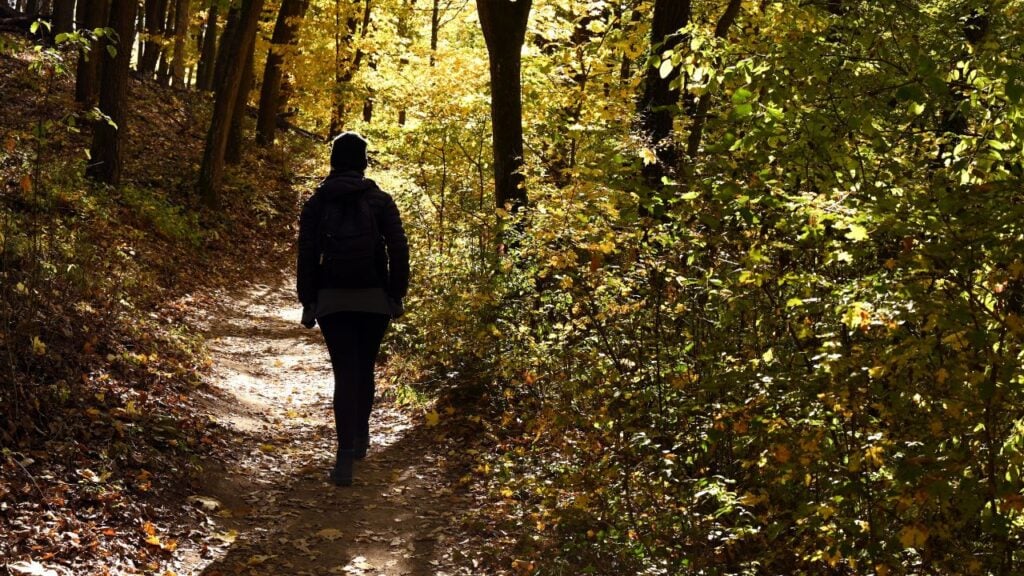
New York's health department has tracked eleven cases of a mosquito-borne brain infection in the state since 1971, and seven of the people who caught it died.
These are the things in New York's woods that turn out to be far more dangerous than many residents realize.
9 Things in New York's Woods That Are More Dangerous Than Residents Think
5 New York HOA Rules That Cost Homeowners Who Ignore Them

A homeowner in a New York subdivision stops paying dues over a dispute with the board, certain the association can't do much about it.
Eighteen months later, a lien with their name on it shows up at the county clerk's office because New York hands homeowners associations more power than many residents realize.
