

9 Veterans Benefits Virginia Families Never Claim Because Nobody Tells Them

More than 670,000 veterans live in Virginia.
But many of them don’t know about all the benefits built for their spouses and kids.
These are the state and federal veterans benefits families qualify for and never claim because nobody walks them through it.
Note: This is general information, not legal, tax, or financial advice. Eligibility rules, dollar amounts, and application deadlines are subject to change.
1. CHAMPVA Health Coverage
CHAMPVA, the Civilian Health and Medical Program of the Department of Veterans Affairs (VA), gives a full health plan to the spouse and kids of a Virginia veteran whom the VA rates permanently and totally disabled.
That plan is separate from anything the veteran gets through VA care.
That coverage starts the moment the rating takes effect, while the veteran is still alive.
No funeral required.
The same coverage reaches a surviving spouse and kids when the veteran died from a service-connected condition, or carried that same total disability rating at death.
A family that assumes the veteran’s own VA health care already covers a spouse and kids often skips the paperwork entirely.
That assumption is usually the only thing standing between them and the coverage.
A dependent child keeps the coverage until 18, or 23 while enrolled in college, and the plan works as cost-sharing: The VA covers part of every doctor visit, hospital stay, and prescription, and the family covers what’s left.
2. Aid and Attendance Pay
Aid and Attendance adds a monthly payment on top of a wartime veteran’s VA pension, and it goes to a surviving spouse too, once someone needs hands-on help with daily care.
What qualifies is ordinary: Bathing, dressing, or getting to the bathroom safely on their own.
A Virginia news investigation found widows and widowers are frequently unaware they can qualify off a spouse’s old service record, long after the veteran has passed.
Only the veteran’s record counts.
Countable assets have to fall under a set limit, roughly $160,000 and adjusting upward every year, but medical and caregiving costs count against that total first.
3. Virginia’s VMSDEP Tuition Waiver
The Virginia Military Survivors and Dependents Education Program (VMSDEP) waives tuition and mandatory fees at Virginia’s public colleges for the spouse and kids of a qualifying veteran.
The threshold is just 90% permanently disabled, not the full 100% many families assume they need.
Ten points make the difference.
A spouse, with no age limit, or a biological or adopted child between 16 and 29 can use it.
Virginia extends the same waiver to the spouse, kids, and stepchildren of a service member killed, missing, or held prisoner during combat.
The waiver covers up to eight semesters, tuition and fees gone.
Applying for Virginia’s Veterans Tuition Benefit
VMSDEP, Virginia’s tuition waiver for military families, runs on three fixed application windows: July 1 for fall enrollment, November 1 for spring, and April 1 for summer.
The veteran also has to meet Virginia’s own residency rule, five years of living in the state, before a dependent can use the waiver.
A family whose service member was killed, went missing, or was held prisoner also gets an extra stipend each semester toward room, board, books, and supplies, an amount the state sets annually based on how many families apply.
4. DIC After You Remarry
Dependency and Indemnity Compensation (DIC) keeps paying a surviving military spouse for life, and remarrying at 55 or older no longer cuts it off the way it used to.
Fifty-five is the new deadline.
Congress moved the cutoff down from 57 to 55 in 2021, so a spouse who waits until that birthday keeps $1,699.36 a month even after remarrying.
Remarry earlier than 55, though, and the payment stops.
Many surviving spouses hear the opposite for years, that any remarriage at any age ends DIC for good.
5. Full Pay Through TDIU
Total Disability based on Individual Unemployability (TDIU) pays a veteran at the full 100% disability rate without the VA ever raising the rating stamped on paper.
Many veterans assume full pay requires a full rating, and stop pursuing TDIU the moment their combined percentage falls short of 100%.
That costs them every month.
One condition rated 60% or higher qualifies on its own.
Two or more conditions work too, as long as one condition sits at 40% or higher and the combined rating reaches 70%.
The rest comes down to work.
A veteran has to show the disability keeps them from holding a steady job, not just a part-time or occasional job, and the VA still pays that veteran at the 100% rate every month.
6. Your Home’s Tax Exemption
Virginia wipes out the real estate tax bill on a home owned by a veteran the VA rates 100% permanently and totally disabled, no income test attached.
The exemption doesn’t end when the veteran dies.
Only remarriage cuts it off.
A surviving spouse keeps it, as long as they don’t remarry and still live in that home as their principal residence.
Since 2019, that spouse can even move to a different Virginia locality and carry the exemption to the new house.
Nobody at the closing mentions that part.
You still have to apply through your local commissioner of the revenue.
The exemption doesn’t show up automatically just because the VA rating does.
7. Skipping the VA Funding Fee
The VA funding fee normally runs between 1.25% and 3.3% of a VA home loan, tacked onto closing costs before a Virginia veteran ever gets the keys.
A veteran drawing VA disability compensation skips it completely.
The system doesn’t catch it.
The same exemption covers a veteran who qualifies for compensation but draws retirement or active-duty pay instead, and any service member who earned a Purple Heart.
A December 2025 VA Inspector General audit found the agency’s own loan system had wrongly charged the fee to some exempt veterans anyway, on joint loans where two veterans combined their entitlement.
The refunds owed averaged $6,100 apiece.
A veteran still has to claim the exemption.
8. Fry Scholarship
The Fry Scholarship pays Post-9/11 GI Bill-level benefits to the spouse or child of a service member who died in the line of duty on or after September 11, 2001.
Full tuition and fees at a Virginia public school, plus a housing allowance, books, and supplies, for up to 36 months.
More than combat deaths count.
It also reaches a service member who died from a service-connected condition within 120 days of discharge, or a Selected Reserve member who died in the line of duty outside active duty.
9. A Discounted Hunting License
Virginia’s Department of Wildlife Resources (DWR) sells a lifetime hunting and fishing license to any veteran with a service-connected disability rating of 30% or higher, well before many people assume the discounts start.
A veteran rated 30% to 49% pays $100 once, for life.
The price drops with each higher tier: $75 from 50% to 69%, $50 at 70% or higher, and nothing at all once a veteran is rated totally and permanently disabled.
Trapping is the exception.
It isn’t part of the base license at any tier, and only the totally and permanently disabled tier can add it, for $15.
The license otherwise covers small game, archery, muzzleloader, bear, deer, turkey, and freshwater fishing in one purchase, and Virginia residency is the only other requirement.
The lifetime license application takes up to 45 days to process, so a veteran planning an autumn hunt should apply well before opening day.
Virginia only asks for one proof document, a valid driver’s license or state-issued ID card, and the application runs through a DWR field office or the agency’s own website.
Psst! How much do you know about which Virginia veterans benefits are myth and which are fact? Flip these cards and see how many you get right.
9 Virginia Property Line Disputes That Turn Neighbors Into Enemies

Think you know where your yard ends?
Many Virginia homeowners are sure, right up until a surveyor’s stake lands somewhere they didn’t expect, and a basic boundary survey in the state runs $1,200 to $5,500 before the fight even starts.
9 Virginia Property Line Disputes That Turn Neighbors Into Enemies
9 Food Lion Habits That Give Away a Longtime Virginia Shopper
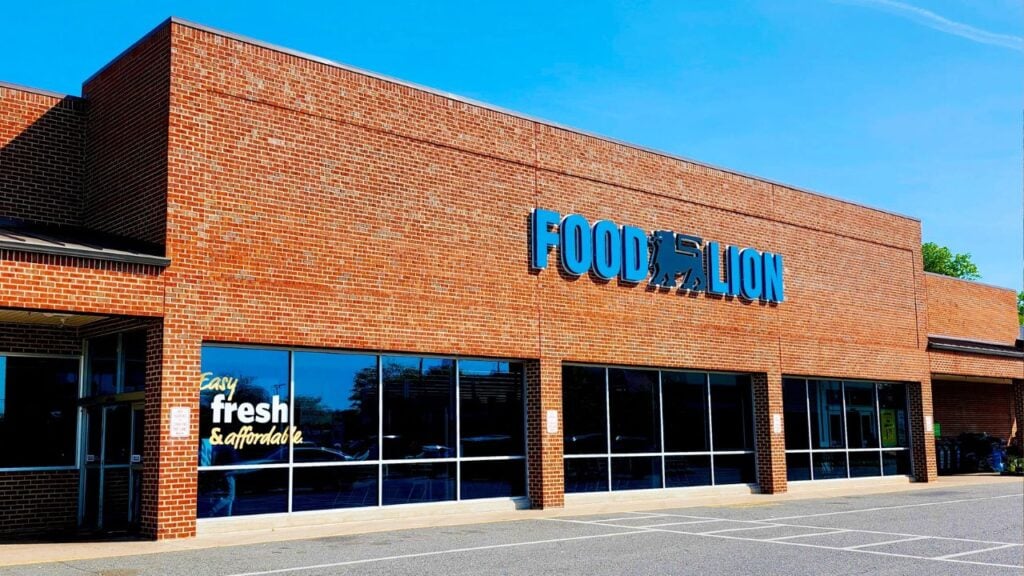
Food Lion finished a $365 million renovation of 167 stores across Virginia and North Carolina in 2024, and a shopper who’s walked those aisles for a decade barely broke stride through the remodel.
New paint and new lighting don’t erase years of habit.
9 Food Lion Habits That Give Away a Longtime Virginia Shopper
