
6 New York City Sidewalk Rules Homeowners Are Fined For

New York City gives a homeowner 75 days to fix a flagged sidewalk before the city sends its own contractor, and the bill.
That’s the generous rule.
A long list of everyday sidewalk habits skip the notice entirely and go straight to a fine, the same day an inspector or officer happens to walk by.
These are the New York City sidewalk habits that turn into a fine on the spot.
Note: This is general information, not legal advice. Sidewalk rules and fine amounts vary by city and are subject to change.
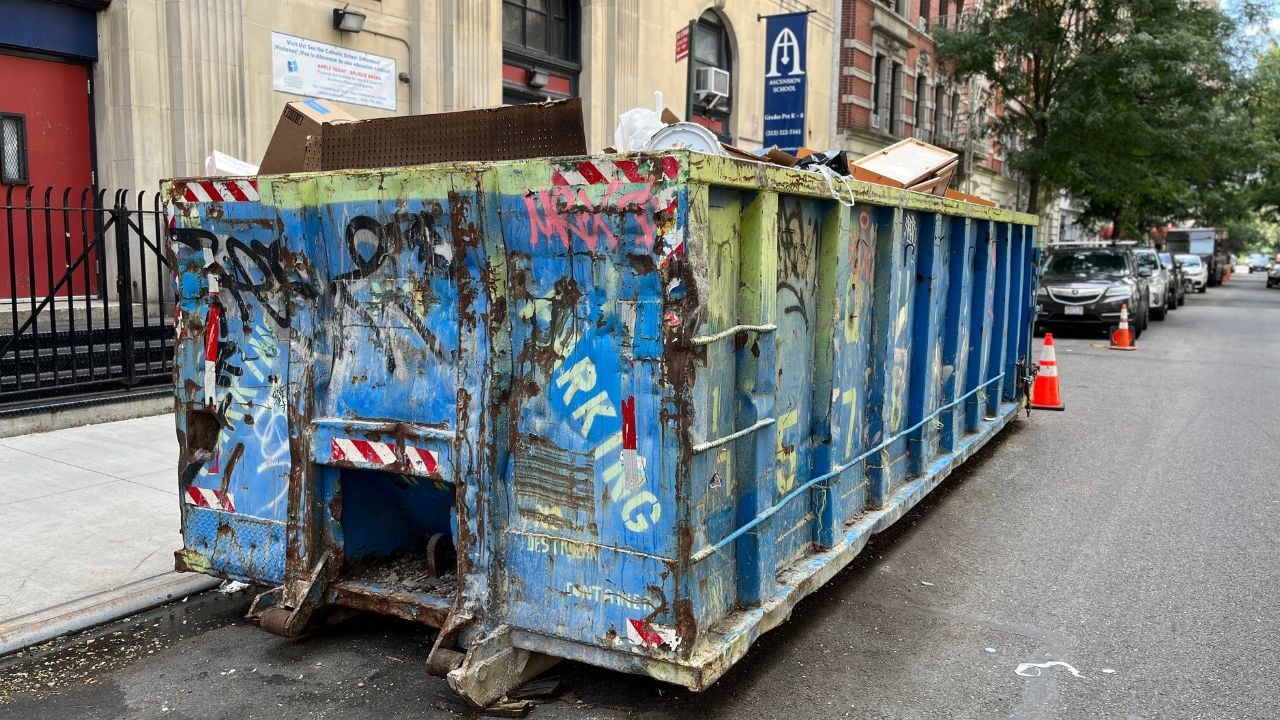
1. Leaving Out a Dumpster
New York City lets a construction dumpster or a pile of building materials sit at the curb only with a permit in hand.
Skip that step, and the sidewalk obstruction counts as a code violation the moment an inspector notices it.
That’s not a one-time ticket.
The civil penalty runs up to $750 per violation, and the code treats every day the container stays put as a fresh offense.
An ignored summons defaults to a $2,250 penalty instead.
A weekend renovation that runs long can turn one ticket into several before the dumpster ever gets picked up.
2. Setting Trash Out Early
A strict clock governs when trash and recycling can hit the curb outside a New York City home.
Houses and buildings with fewer than ten units can’t set bagged trash or bins out before 6 p.m. the night before pickup.
Put it out at noon instead, and a sanitation officer can write it up on sight.
A first offense costs $50.
A second strike within a year rises to $100, and a third costs $200.
A sanitation officer usually catches homeowners who leave for a long weekend and set their bins out early on the way out the door.
3. Letting Snow Sit Too Long
New York City gives property owners as little as four hours to clear snow and ice from the sidewalk once it stops falling during the day.
Snow that stops overnight buys a homeowner a little more time, but not much.
Miss the deadline three times in a year, and the fine tops out at $250.
A second offense costs $150.
Even a first violation still runs $100.
The rule applies to the full width of the walk, not just a narrow path down the middle.
4. Parking on the Sidewalk
New York City treats a car parked on the sidewalk as a parking violation, not a shrug from a traffic agent.
It doesn’t matter whose driveway sits behind the tires.
Let even one wheel rest on the concrete instead of the curb cut, and the fine is a flat $115 citywide.
Tight driveways in older neighborhoods make this an easy mistake.
It’s an easy ticket too, for a traffic agent walking the block.
Psst! How much sidewalk liability risk is sitting on your property right now? Run through this checklist and see where you stand.
5. Cutting an Illegal Driveway
A homeowner needs New York City’s sign-off before cutting a new driveway or widening an existing one across the sidewalk.
A Professional Engineer or Registered Architect has to sign off on the application before a contractor ever breaks concrete.
Skip that process, and both the homeowner and the contractor can face civil penalties through an Environmental Control Board hearing.
That’s often multiple violations, not one.
An illegal curb cut usually breaks several rules at once, so the tickets stack fast, on top of whatever it costs to tear the driveway back out.
6. Cutting Down the Wrong Tree
New York City owns the tree by your curb, even though keeping the sidewalk under it safe usually falls to you.
Since September 2019, the city has taken responsibility for repairing sidewalk damage that a city-owned tree’s own roots cause.
Prune it, top it, or take it down without a Parks Department permit.
Any of that breaks city law, not just yard etiquette.
A Parks Department permit stands between routine tree care and a fine: Skip it for pruning, and the penalty tops out at $1,000.
Removing the tree entirely instead pushes that number to $15,000.
That’s a steep price for cutting down something you never planted in the first place.
When a Notice Isn’t a Fine
A cracked or uneven sidewalk flag doesn’t draw a direct fine from New York City, and many owners assume that means they’re off the hook.
They aren’t.
New York City’s Department of Transportation gives a property owner 75 days to fix a violation after it’s issued.
Miss that window, and the city hires its own contractor, finishes the repair, and sends the property owner the bill.
What New York City’s Sidewalk Bill Costs
New York City calculates the repair bill by multiplying the damaged square footage by a set rate per square foot, so a single wide slab can run into the thousands.
A homeowner gets 90 days to pay it off.
Let that window pass, and interest starts adding up on the unpaid bill.
The bill also gets recorded as a lien against the property, through the City Register in most boroughs or the county clerk’s office on Staten Island.
That lien can hold up a home sale or a refinance until it’s cleared, long after the original violation notice is forgotten.
How the Rules Change Outside the City
New York City shifted sidewalk injury liability onto property owners years ago, mainly landlords, larger buildings, and rental or commercial property.
Many owner-occupied one-, two-, and three-family homes are exempt from that shift, and the city itself takes on no liability for the sidewalk in front of them either.
Many other cities and villages across New York State never followed the city’s lead at all.
A local ordinance can still make a homeowner responsible for keeping the sidewalk safe.
Getting sued over a fall, though, is a different matter because New York State law requires prior written notice of a defect before a city or village can be sued over one.
That same shield usually protects the abutting homeowner too.
The homeowner does lose that protection by making things worse, like shoveling snow but leaving a sheet of ice underneath, or cracking a slab during a driveway repair.
Buffalo runs its own sidewalk snow rule, separate from New York City’s, and it doesn’t wait around either.
Property owners have to clear snow from the sidewalk before 9 a.m. the morning after it falls.
A homeowner who assumes every city runs on New York City’s own snow clock may be blindsided by Buffalo’s deadline instead.
Rochester calls a sidewalk hazardous once it rises 1.5 inches or more out of level, a rougher standard than many homeowners would guess on their own.
Miss Buffalo’s own deadline, and a local pedestrian-advocacy group puts the fine as high as $225.
5 New York HOA Rules That Cost Homeowners Who Ignore Them

A homeowner in a New York subdivision stops paying dues after a dispute with the board, sure the association can’t do much about it.
Eighteen months later, a lien with their name on it turns up at the county clerk’s office, and New York hands homeowner associations more power than many residents realize.
5 New York HOA Rules That Cost Homeowners Who Ignore Them
7 Squatter Loopholes New York Homeowners Don’t Know They’re Exposed To
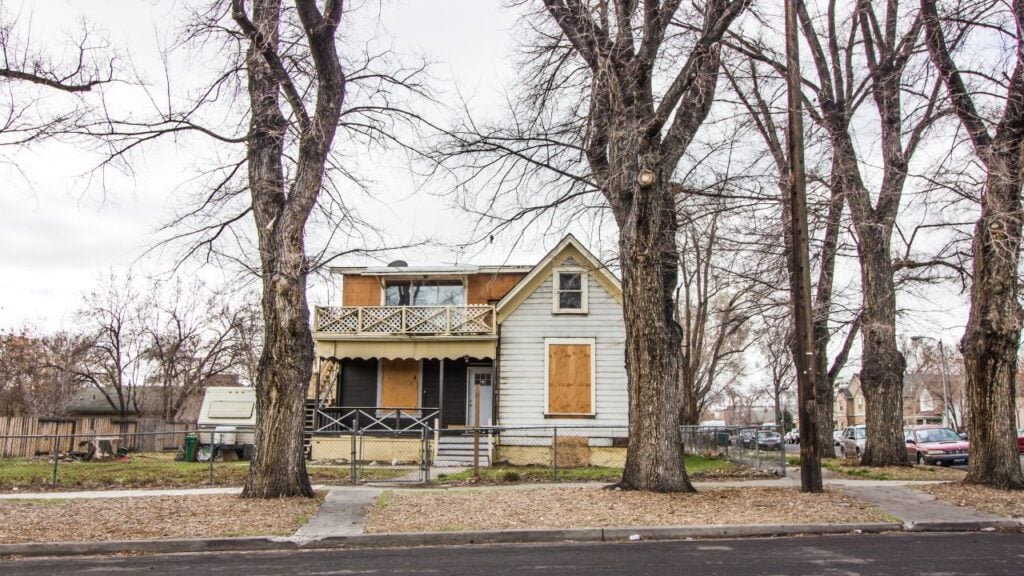
Many New York homeowners know the one squatter rule everybody repeats: Stay thirty days, and the law starts treating a squatter like a tenant.
That’s not the whole story, and the loopholes underneath it catch homeowners who think the thirty-day number is the only thing they need to know.
7 Squatter Loopholes New York Homeowners Don’t Know They’re Exposed To
