
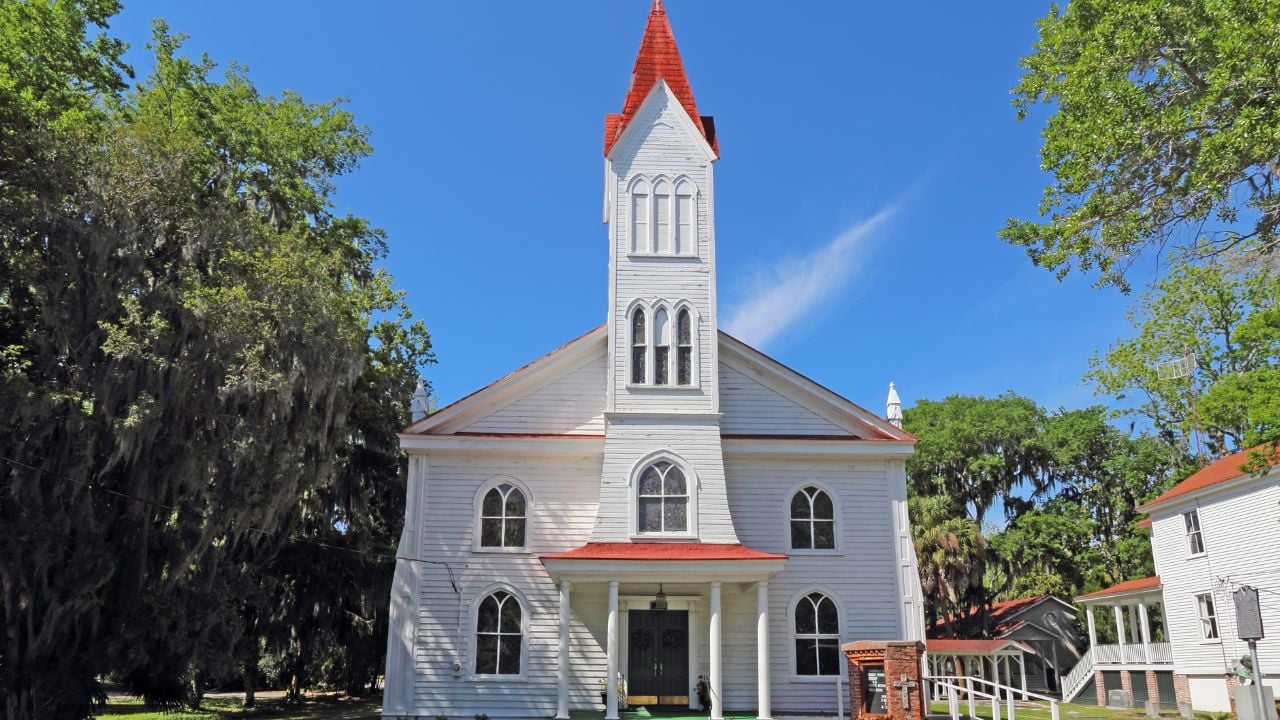
8 Sunday Rules That Catch New Residents Off Guard

South Carolina still measures a Sunday exemption against one exact date: April 7, 1962.
Any business that was open and legal that day gets a pass from the rest of the state’s Sunday rules.
Everybody else is stuck following a rulebook nobody hands new residents at the closing table.
These are the Sunday rules that catch new South Carolina residents off guard.
Note: This is general information, not legal advice. South Carolina’s Sunday rules vary by county and are subject to change.
1. Liquor Stores Close
South Carolina requires every liquor store in the state to close on Sunday, all 46 counties included.
There’s no local option permit for it.
A county referendum can’t undo it either.
Lawmakers have proposed letting counties put Sunday sales to a vote, backed by a $3,000 permit for stores that qualify, but the bill has stalled in a House committee.
Nothing’s changed yet.
2. State Law Delays Big Purchases
South Carolina bans the Sunday sale of furniture, appliances, tools, jewelry, electronics, and most clothing until 1:30 p.m., a rule left over from a 1962 law.
New cars, trucks, and trailers fall under the same list.
A dealership can’t legally close a Sunday sale, no matter how ready the buyer is.
Swimwear, souvenirs, and undergarments carry their own exemption, so a beach shop can still sell a swimsuit any day of the week.
State law delays everything else.
3. Restaurant Drinks Depend on Zip Code
A South Carolina restaurant can only serve a mixed drink on Sunday if its county or city voted to allow it.
Charleston, Horry, Beaufort, and several other counties cleared that vote years ago.
Many smaller, inland counties never held a vote.
Order a mimosa at brunch in the wrong town, and the answer is a flat no.
What South Carolina’s Sunday Drink Permit Costs
South Carolina’s Sunday permit for restaurants is a second permit on top of the regular liquor-by-the-drink license, not a replacement for it.
It runs $200 for a single Sunday or about $3,050 a year.
Even with the permit, sales only run from 10 a.m. to 11:59 p.m. on Sunday.
A short window right after midnight on Saturday counts as Sunday hours too.
4. Hunting Keeps Its Own Calendar
South Carolina has allowed Sunday hunting on private land for more than a decade, so a newcomer used to a blanket ban can relax there.
Public land is a different story.
State Wildlife Management Areas (WMAs) ban Sunday hunting by default.
Since 2023, a handful of those WMAs and two national forests have opened a narrow Sunday window, running October 15 through January 31.
Confirm the dates before loading up on a Sunday in March.
Check first.
Psst! How much do you know about South Carolina’s Sunday rules? Take our myth-or-fact challenge and see how many you can get right.
5. You Can Say No
South Carolina law lets any employee refuse a Sunday shift on religious or conscientious grounds, no matter how new the job is.
Refuse, and an employer can’t dock your seniority or hold it against you.
Fire or demote someone for saying no. The penalty is treble damages plus attorney’s fees.
No slap on the wrist.
6. Concerts Need a Permit
South Carolina requires a local permit before anyone can run a professional sporting event, concert, or exhibition on Sunday.
Without a permit, the standard 1:30 p.m. start time still applies to the box office too.
With a permit, gates can open as early as 10 a.m., set by whichever town council or county board approved it.
No permit, no early kickoff.
7. Retail Workers Get Church Time
A South Carolina retail store with more than three employees must grant time off for a Sunday church service, if the employee asks for it.
That’s one hour to get ready and travel there.
And another hour to get home after the service ends.
Few new hires ever ask, mostly because few of them know the right exists.
Nobody tells them.
8. Rules Shift at the County Line
South Carolina’s entire Sunday blue-law chapter disappears in a county that collects more than $900,000 a year in accommodations tax.
That threshold tends to favor South Carolina’s busiest tourist spots, the counties pulling in enough hotel and rental income to clear it.
A county that doesn’t hit that number can still suspend the prohibition on its own, through a county council ordinance.
Same result, different door.
How South Carolina’s Blue Laws Have Changed
South Carolina lawmakers have revisited the Sunday law more than once since 1962, not left it sitting untouched.
A 1980s revision rewrote large parts of it at once, adding the sporting-event permit process and the exemptions for souvenirs, undergarments, and baby supplies that still stand today.
Lawmakers keep coming back.
Where the Next Change Stands
South Carolina’s push to loosen Sunday liquor sales is active right now, not just talk.
The latest bill would let counties put it to a vote, needing as few as 10 signatures to reach a small-town ballot or up to 7,500 in a big county.
Even if it passes, Sunday liquor sales would run only from 1 p.m. to 5 p.m., a tighter window than any regular Saturday.
The vote hasn’t happened.
10 South Carolina Family Reunion Foods That Always Start an Argument
South Carolina family reunions don’t run on love alone.
They run on whose potato salad recipe is right, and nobody at the table backs down.
10 South Carolina Family Reunion Foods That Always Start an Argument
8 South Carolina Ghost Stories Even Locals Can’t Keep Straight
A Charleston tour guide stops the group outside an old jail cell and tells the same story locals have repeated for generations.
Whether that story holds up against the record is a different question entirely.
8 South Carolina Ghost Stories Even Locals Can’t Keep Straight
