
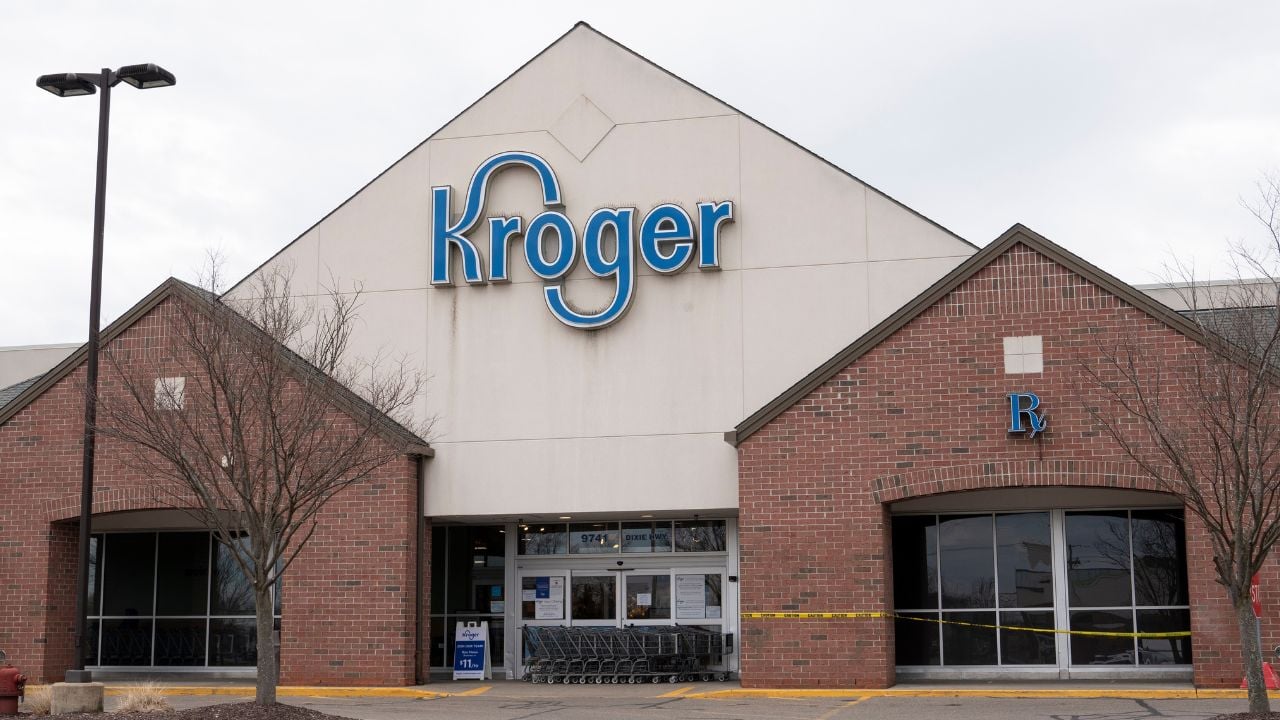
8 Kroger Bottle Return Mistakes That Cost Michigan Shoppers Every Week

Do you think two decades of Kroger redemption visits means you’ve mastered Michigan’s deposit law?
We’re willing to bet you haven’t.
These are the Kroger bottle return mistakes that cost Michigan shoppers every week.
Note: This is general information, not legal advice. Michigan’s bottle deposit rules and refund limits are subject to change.
1. Maxing Out Kroger’s $25 Refund Cap
Kroger only owes cash for the first $25 of deposits you redeem there in one day.
Michigan’s bottle law lets a dealer cap the daily refund there, and Kroger isn’t allowed to set that limit any lower.
It doesn’t have to pay a cent more once you hit it, either.
Bring in a garbage bag holding a month of empties, and the register stops paying long before the bag is empty.
That’s the trap.
Split a big haul across two days, or run part of it through a second Kroger on the way home, and the whole bag pays out.
The Math Behind Kroger’s $25 Cutoff
Kroger’s $25 cap works out to exactly 250 containers at a dime apiece.
Show up with a bag past that point, and Kroger can simply decline the extra containers and hand them back unprocessed.
2. Crushing Your Cans Before the Trip
Kroger’s return machines read a barcode to know what you’re feeding them and what it’s worth.
Flatten a can in the trunk on the way over, and that barcode can turn into a smear the scanner can’t find.
The machine rejects it.
Michigan’s rule protects you here: A dealer has to accept a crushed container as long as it’s clean, sold by that dealer, and still identifiable as a Michigan returnable.
Ask for a hand count instead of walking away empty-handed.
3. Bringing Back a Brand Kroger Doesn’t Sell
Kroger only owes you a refund on a container it sells in that exact kind, size, and brand.
Michigan’s bottle law spells this out directly: A dealer has to take back a container of any kind, size, and brand it sells.
Nothing outside that.
The same goes for an odd size, not just an odd brand.
Fill a cart with Great Value soda at a Walmart across town, then haul the empties into Kroger expecting the same dime.
Kroger never stocked that can, so the machine flags it and stops there.
The deposit’s real.
The shelf just isn’t Kroger’s.
4. Assuming Every Bottle Counts
Kroger’s dime only covers what Michigan’s law defines as a beverage, and that definition is narrower than many shoppers assume.
The law covers soda, beer, and other carbonated drinks.
Plain water, juice, and noncarbonated sports drinks never made that list.
Bring a case of empty water bottles to the machine, and it won’t pay out on a single one, even sitting right next to soda cans that do.
Many Michiganders toss water bottles into the return bag out of habit, expecting the same dime as their pop cans.
The gap is real: Bottled water, wine, liquor, and noncarbonated sports drinks are not included in what Kroger has to redeem.
Not this week.
Psst! Are you making these Kroger bottle-return mistakes without realizing it? Run through this checklist and see where you stand.
5. Returning Containers That Still Hold Trash
Kroger has to take back an empty container.
Michigan’s law defines “empty” narrowly.
The rule allows nothing inside except the residue of whatever you drank.
Use an old juice bottle as an ashtray or stash spare change in a can, and the store can turn it away at the counter.
The state’s own guidance points to pests and odor as the reason, not just paperwork.
A quick rinse fixes it.
So does keeping recycling and bottle-return bags separate: Kroger only owes a refund on a container in reasonably good condition with a readable label.
6. Walking Away When the Machine Says It’s Full
Kroger’s machines jam and fill up like any other store’s, especially on a Monday after a busy weekend.
A screen flashing “Machine Full” sends many shoppers straight back to their car with a bag of dimes they never collected.
Don’t leave yet.
A full machine isn’t quite the same thing as a broken one, but the same rule covers both.
Michigan’s own consumer guidance tells retailers to offer a hand count when the machines aren’t working, so a cashier can still ring up your empties by hand.
If a store still refuses, that’s a case for Michigan’s Attorney General consumer protection division.
7. Tossing Deposit Bottles in the Recycling Bin
Kroger’s bottle machines pay a dime a can that curbside recycling never will.
Many Michiganders now toss a soda can straight into the blue bin instead of hauling it back to the store.
It’s easier.
It’s also expensive: Michiganders forfeited a record $116 million in deposits in 2024, as more containers went to curbside bins instead of the machine.
Every can in that bin is a dime Kroger would still pay for at the machine.
8. Tossing the Redemption Slip Like Scrap Paper
Kroger’s machines don’t hand over cash on the spot.
Feed in your empties, and the machine prints a redemption coupon instead.
A cashier scans that coupon at checkout for cash or credit toward your total.
Michigan’s law entitles you to that value in cash, whether or not you buy anything else that trip.
Mistake the slip for a stray receipt, and you crumple it in with the rest.
Walk out with it still in the bag, and the dime you just earned never makes it to your wallet.
That slip is money.
Michigan’s National Standout Dime
Kroger’s dime ties Oregon and Connecticut for the highest flat deposit in the country.
Only Maine and Vermont charge more, and that’s only on wine and liquor bottles, not on everyday soda and beer cans.
The dime’s buying power has fallen a lot since 1976.
It was worth more than 50 cents in 1976 money.
Half its value is gone.
Kroger runs about 120 stores across Michigan.
Every one of those return machines follows the same rules.
The state’s own deposit data puts Michigan’s 2024 return rate at 70.4%, the lowest since tracking began.
