
6 School Bus Laws That Cost South Carolina Drivers a Fine and Points

Six points is the single steepest hit South Carolina hands out on a driver’s license.
A school bus stop-arm ticket carries that same six points whether the fine attached to it is $500 or $25,000.
The dollar amount swings wildly depending on what happened. The points never do.
These are the school bus laws that cost South Carolina drivers a fine and points.
Note: This is general information, not legal advice. School bus laws, fines, and points are subject to change, so confirm the current requirements with the South Carolina Department of Motor Vehicles.
1. Ignoring the Bus’s Red Lights
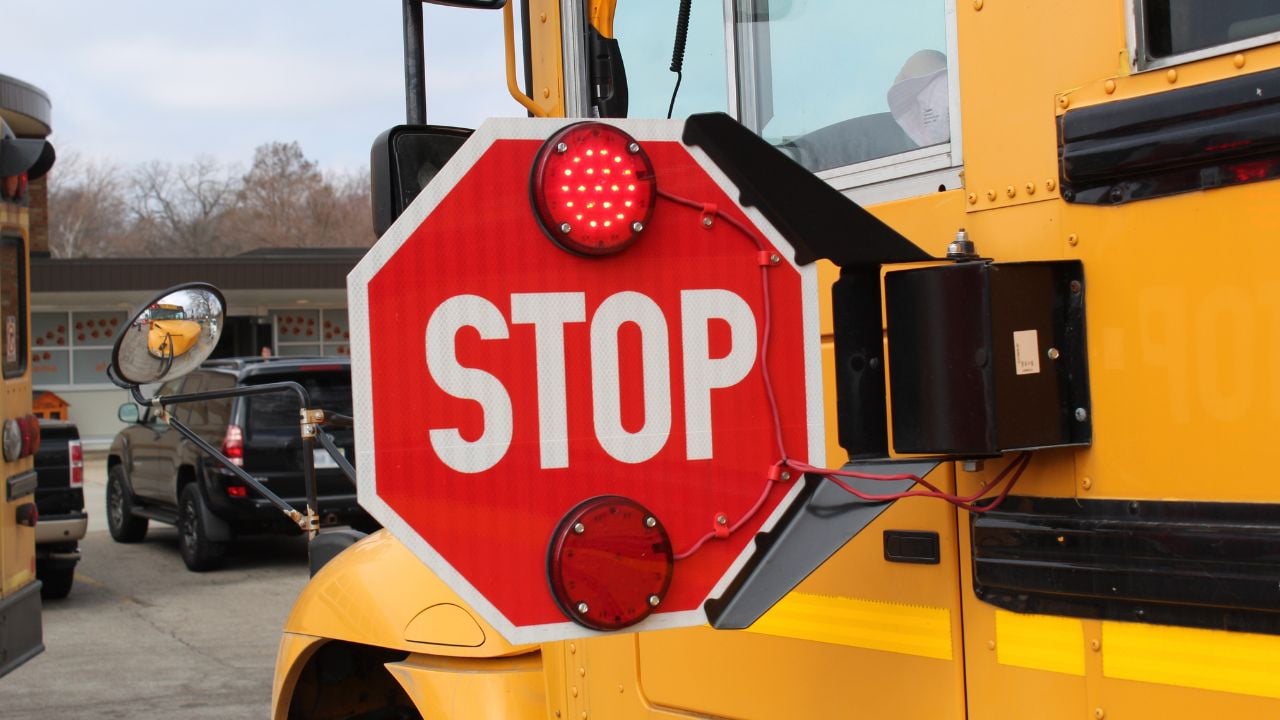
South Carolina’s stop-arm law gives a driver no exceptions once a school bus switches on its red lights and swings out its arm, no matter which direction that driver is headed.
Meet the bus on an ordinary two-lane road, and you stop.
Come up behind one, and you stop just the same.
No exceptions there.
The rule stays in force under South Carolina law until the lights go dark or the bus pulls away again.
A first conviction runs a fine of at least $500, though the ticket a driver pays often lands closer to $1,062.
Six points land on the license at the same time.
South Carolina’s Bus Ticket Math
South Carolina’s stop-arm law sets $500 as a floor, not the final bill.
State court fees and assessments add several hundred dollars on top of that first number.
That combination is how your stop-arm ticket rises to roughly $1,062 in practice.
South Carolina suspends a license once it collects 12 points, so a single stop-arm ticket already carries you halfway there.
2. Passing During the Amber Warning
South Carolina’s bus law doesn’t wait for the stop arm to swing out before a ticket becomes possible.
Once a school bus switches on its amber warning lights, the driver behind it or approaching it has to slow down and prepare to stop, not speed up to beat the red.
Try to squeeze past during that amber phase, and South Carolina law treats it the same as blowing past a stopped bus outright.
The fine doesn’t change.
Neither do the points.
Many South Carolina drivers only start paying attention once the lights turn red.
By then, the window to pass legally already closed several seconds earlier.
3. Misjudging the Divided-Highway Exception
South Carolina does carve out one exception to its bus-stop rule.
Many drivers misjudge exactly when it applies.
Meet a stopped bus from the opposite direction, and you only get to keep moving on a highway with at least four lanes total, two of them running in your own direction.
That’s the whole test.
A road with a single lane each way and a grass or paved median down the middle doesn’t qualify, no matter how wide that median looks.
Get it wrong, and the same $500-and-up fine and six points still land on you.
The exception also only ever covers oncoming traffic.
Travel the same direction as the bus, coming up from behind, and you still have to stop no matter how many lanes that road carries.
4. Getting a Second Bus Ticket
South Carolinians who rack up a second stop-arm conviction face a far harsher penalty than a first one.
A first offense starts at that $500 floor.
Land a second or subsequent conviction, and your fine jumps to $2,000 to $5,000, plus up to 60 days in jail instead of 30.
That’s four to ten times the first bill.
The points don’t change.
Six still land on your license, on top of a fine that can wipe out a car payment.
5. Causing an Injury While Passing
South Carolina treats a stop-arm violation that injures someone as a much more serious crime than the ordinary version.
Pass a stopped bus and cause great bodily injury, and your fine jumps to $5,000 to $10,000.
Jail time runs 60 days to a full year.
That time is mandatory.
The court also suspends your license for the length of that sentence, plus one additional year.
The community-service option that can ease a first offense isn’t available once someone gets hurt.
Six points still land on your license on top of all of it.
6. Causing a Death While Passing
South Carolina reserves its harshest school bus penalty for a stop-arm violation that kills someone, and this one is a felony from the start.
Felony charges bring $10,000 to $25,000 in fines and one to five years in prison, no community-service option to reduce either number.
There’s no shortening it.
Your license stays suspended for that entire sentence, plus one more year after release.
Even here, the points don’t disappear.
Six still attach to the conviction, on a license you won’t be using again for years anyway.
How the Buses Catch Violations on Camera
South Carolina lets a school bus’s own camera do the witnessing now.
State law allows an officer to write a citation using digital video pulled straight from a bus’s stop-arm camera, even when no trooper watched the violation in person.
A camera-based citation carries the same fine and the same six points as a citation an officer writes on the spot, the full criminal charge rather than some lesser civil notice mailed out later.
The math doesn’t change.
South Carolina started wiring cameras onto new school buses in 2023, with older buses picking up the equipment over time.
Never spot a trooper, and you can still end up with a ticket in your mailbox days later.
How the Points Stack Up
On South Carolina’s point scale, a school bus stop-arm violation ranks among the costliest tickets you can get.
Six points sits at the top of the state’s point scale, tied with reckless driving and a hit-and-run involving only property damage.
Many other tickets carry only two or four.
If you’re holding a beginner’s permit or a conditional license, six points ends your driving privileges outright.
The South Carolina Department of Motor Vehicles (SCDMV) calls that an automatic six-month suspension for Excessive Points.
With a full, unrestricted license, you get more room, but not much.
At six or more points, the SCDMV mails a letter warning you to be more careful.
Not forever, though.
South Carolina cuts those points in half exactly one year from the date on the ticket.
A stop-arm ticket’s six points becomes three, assuming nothing new lands on the license first.
Psst! How much do you know about South Carolina’s school bus rules? Take our quiz and see how many you can get right.
Quiz
SC School Bus Law IQ
These South Carolina school bus facts trip up longtime drivers all the time. We bet you can’t get them all right. Prove us wrong?
South Carolina is the only state where school buses are owned and run by whom?
When the Stop Isn't Required
Under South Carolina law, the stop requirement disappears in only a couple of narrow spots.
A bus parked entirely inside a marked loading zone, off the main travel lanes, with no pedestrians allowed to cross the road to reach it, doesn't require traffic to stop.
Nothing else qualifies.
Apartment complexes and some school driveways set these zones up on purpose, precisely so through traffic can keep moving.
The ordinary rule still covers everything else, including private roads and parking areas many drivers assume are off-limits to a traffic ticket.
A subdivision street or an apartment complex driveway carries the same stop requirement as any public highway the moment a bus activates its lights there.
9 Bojangles Habits That Instantly Mark a South Carolina Regular
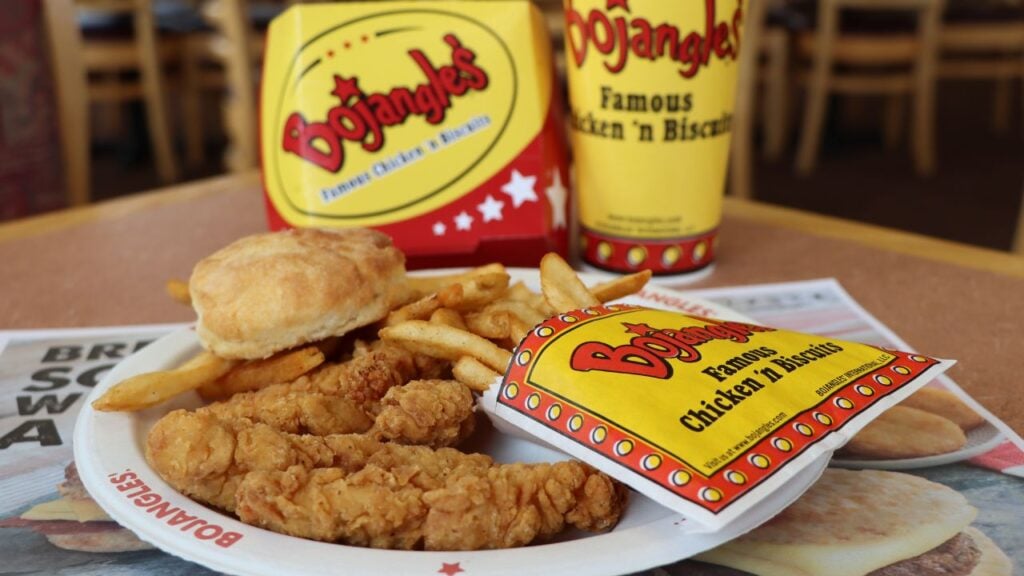
A South Carolina Bojangles regular never calls it by its full name.
Order like an outsider, and the cashier clocks it before you finish your sentence.
9 Bojangles Habits That Instantly Mark a South Carolina Regular
8 Thrift Store Finds South Carolina Bargain Hunters Should Never Pass Up

A South Carolina thrift store rack once held a pair of jeans that later sold at auction for more than $87,000.
That's the extreme case, not the norm, but it's proof a shelf tag rarely tells the whole story.
8 Thrift Store Finds South Carolina Bargain Hunters Should Never Pass Up
