
8 Alabama Town Names With Origins That Surprise Even the People Who Live There

A lot of people hear the name Nauvoo, Alabama and assume Mormon pioneers built it, the same way they built the original Nauvoo in Illinois.
Wrong guess.
The reason traces back to one resident’s travels, and it has nothing to do with the Latter-day Saints at all.
These are the Alabama town names with origins that surprise even the people who live in them.
1. Grant
Grant, Alabama earned its name the same spring its post office opened in Marshall County, in 1887.
Early settlers put forward Ulysses S. Grant’s own name, honoring the Union general and president.
The area leaned Unionist during the Civil War, a rare stance in a state that seceded and fought against Grant’s own army.
That loyalty stuck.
Grant residents today live in a town whose name has nothing to do with land grants or federal money, whatever the word suggests.
How Washington Named These Towns
Grant’s post office didn’t get its name from a town meeting.
Under old U.S. Post Office Department rules, a prospective postmaster or a settlement’s own patrons proposed a name.
Washington approved it before any mail moved.
By the 1840s, federal instructions already ruled out any name matching another post office in the same state.
That rule shaped Alabama’s new town names for decades.
2. Nauvoo
Nauvoo, Alabama sounds like it should trace back to Mormon settlers, the way its Illinois namesake does.
It doesn’t.
A resident named Tom Carroll reportedly put the name forward after the railroad reached the area in 1888, simply because he’d admired the town of Nauvoo, Illinois, on an earlier trip.
Alabama’s Nauvoo has no Latter-day Saint congregation and no pioneer-era tie to the church that built the original town.
Just a name Carroll liked.
3. Demopolis
Demopolis, Alabama carries a name straight out of ancient Greek.
It means “city of the people.”
Not exactly a modest choice.
French exiles chose it in 1817, after Napoleon’s final defeat sent them looking for a new home.
Congress had granted the group 92,000 acres along the Tombigbee River, on the condition that they grow grapes and olives.
Most of the colonists were refugees who had fled the Haitian Revolution, and those Haitian refugees stayed and built the colony, while the handful of Napoleonic officers among them left Alabama within a few years.
Within about a year, many of the colonists had decided the land wasn’t right for either crop.
Demopolis kept its grand Greek name anyway and built its economy on cotton instead.
4. Eclectic
Eclectic, Alabama sounds like a compliment, the kind of word you’d use for a town with a little bit of everything.
That’s not where the name comes from.
M.L. Fielder bought 122 acres in 1877, opened a post office, and named the new settlement after eclectic medicine, the alternative school of medical training he’d studied.
The word describes Fielder’s diploma.
Not the town’s character.
5. Opp
Opp, Alabama sounds like a made-up word, maybe even a typo.
It’s a person’s last name.
Henry Opp practiced law for the L&N Railroad out of Andalusia. In 1901, he won a court fight against the Central of Georgia Railroad over a right-of-way into Covington County.
The L&N encouraged the new town to take his name, and it did.
Opp went on to serve as Andalusia’s mayor from 1899 to 1906, a detail many Opp residents never learn about their own town’s namesake.
6. Sylacauga
Sylacauga skips right past the Creek roots behind many nearby Alabama town names.
The name traces to Chalakagay, a settlement founded by Shawnee people who migrated south from Ohio in 1748.
The Piqua Shawnee Tribe of Alabama’s own history backs up the same account: Chalakagay is present-day Sylacauga.
They later joined the Creek Confederacy and were forced west along with other Creek nations in 1836.
The spelling shifted for more than a century, from Souillacouga to Syllacoga by 1838, before it settled on Sylacauga in 1887.
Same word, different century.
7. Gu-Win
Gu-Win, Alabama sounds like it could be a Native word, the way many Alabama town names are.
It isn’t.
The name reportedly combines its two neighboring towns, Guin and Winfield, into one word.
A second, competing story credits George Thornton, the town’s first mayor, who spent heavily on a theater marquee reading “Gu-Win” and talked residents into keeping it.
Even Gu-Win’s own official history doesn’t settle which story is true.
8. Fruithurst
Fruithurst, Alabama didn’t start out with that name.
The town incorporated in 1896 as the center of a planned fruit-and-wine-growing colony, part of a land boom that pulled in investors from outside Alabama.
According to the Encyclopedia of Alabama, residents held a contest to pick a permanent name and settled on Fruithurst, pairing “fruit” with an old word for a wooded grove.
The wine business didn’t last.
The name did.
Psst! How much do you know about Alabama’s history beyond its town names? Take our quiz and see how many you can get right.
Quiz
Alabama History IQ
Answer these questions on Alabama’s capitals, symbols, and Civil War-era nicknames. We bet you can’t get them all right. Prove us wrong?
Which town served as the capital of the Alabama Territory before statehood?
More Alabama Towns, Same Trick
Alabama runs close to 460 cities and towns, and the naming tricks above repeat all over the map.
Notasulga's name comes from a Muskogean word for the Bear clan, not from any local landmark.
Alabama's map layers Muscogee, Choctaw, Cherokee, and Chickasaw place names on top of each other across the state.
That's part of why Sylacauga's Shawnee roots catch even Alabama history buffs off guard.
Loachapoka's name allegedly translates to a place where turtles are killed, or, in a second telling, a place where they live.
Nobody's fully sure.
Notasulga's most notable native has nothing to do with the Bear clan: Author Zora Neale Hurston was born in the town in 1891.
Loachapoka pulls in about 15,000 visitors every October for Syrup Soppin' Day, more than 75 times the town's own population of under 200 people.
8 Things Alabamians Once Memorized That Their Phones Remember for Them Now
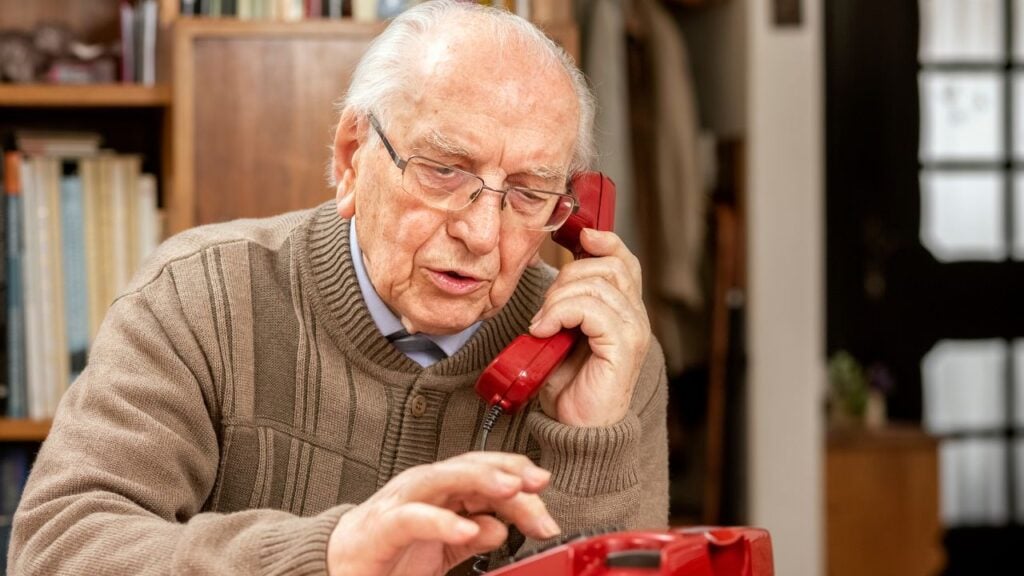
A national survey found that 82% of parents can no longer recite their own child's phone number from memory.
That number used to live in your head. Now it lives in a contacts app, right alongside a stack of other everyday knowledge Alabamians used to know.
8 Things Alabamians Once Memorized That Their Phones Remember for Them Now
6 Secrets Waffle House Employees Wish Alabama Regulars Knew
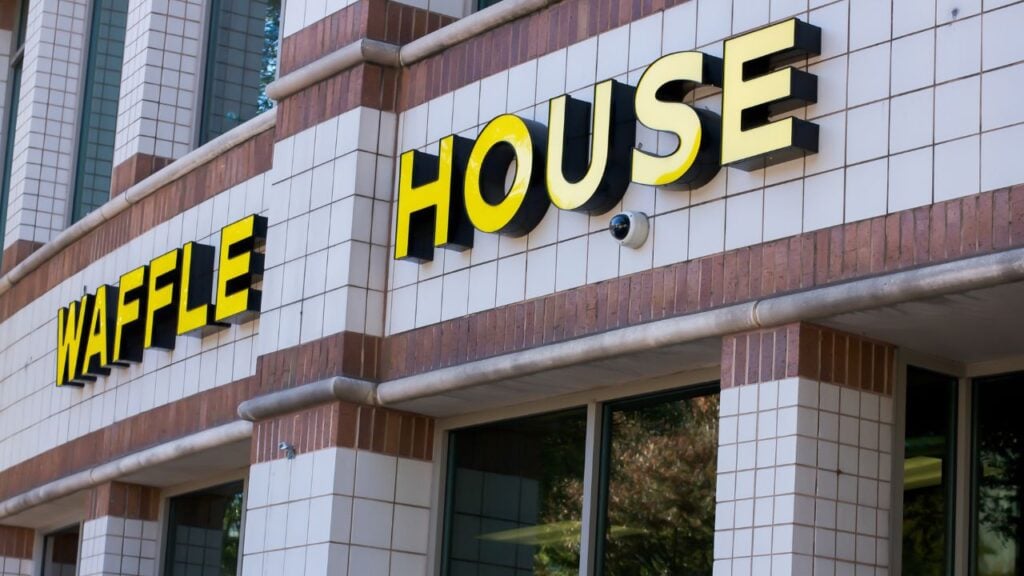
A Waffle House regular slides into a booth off I-65 outside Birmingham and has coffee poured before he says a word, sure he's got the place figured out after all these years.
He hasn't, not entirely, and neither has almost anyone else who loves this chain as much as Alabama does.
