
6 Purchases Ohioans Make Because They Feel Guilty Saying No

Ohio law gives buyers three business days to cancel any in-home sales pitch worth $25 or more.
Lawmakers wrote that rule because so many people sign in the moment rather than admit they want the salesperson gone.
These are the purchases Ohioans make because they feel guilty saying no.
Note: This is general information, not financial or legal advice. Consumer protection rules and tipping norms are subject to change, so confirm current requirements with the Ohio Attorney General’s office.
1. School Fundraiser Catalog
A fundraiser order form makes the rounds through Ohio break rooms every fall, passed coworker to coworker until everyone’s seen it.
A school PTO or PTA catalog of candy bars and wrapping paper follows close behind, usually forwarded by a parent in the class group chat.
Saying no in that moment means looking cheap in front of somebody you’ll see again tomorrow.
So people buy.
In a survey of Parent-Teacher Organization (PTO) and Parent-Teacher Association (PTA) leaders published this year, 97% said their group planned to raise as much or more through fundraisers in the 2025-2026 school year.
Fewer volunteers are on hand to do the asking, so the same handful of parents circulate the same order forms more often.
Each one lands as a face-to-face request, not a mailer that’s easy to toss.
A tin of popcorn priced well above the grocery store rate stops feeling like a purchase and starts feeling like a favor.
2. Team Fundraiser Ask
Ohio parents raising a kid on a youth sports team face more than one ask a season.
The same team can ask for car wash tickets, a banner sponsorship, the coach’s gift, and an end-of-year banquet fee in one season.
A team fundraiser lands differently than a store display because the person asking is the team manager standing at practice pickup, not an endcap by the register.
It’s hard to dodge.
Ohio families already spend heavily just to keep a kid on the team.
The average American family spent $1,016 on a child’s primary sport in 2024, up 46% over five years, according to a nationwide Aspen Institute parent survey.
Registration, travel, and private lessons make up the bulk of that bill.
A team fundraiser ask lands on top of a bill that’s already rising every season.
Nobody wants to be the parent whose kid skips the team photo because the sponsor card came back with empty lines.
3. Tip Screen Flip
A quick counter order in Ohio doesn’t end at the register anymore.
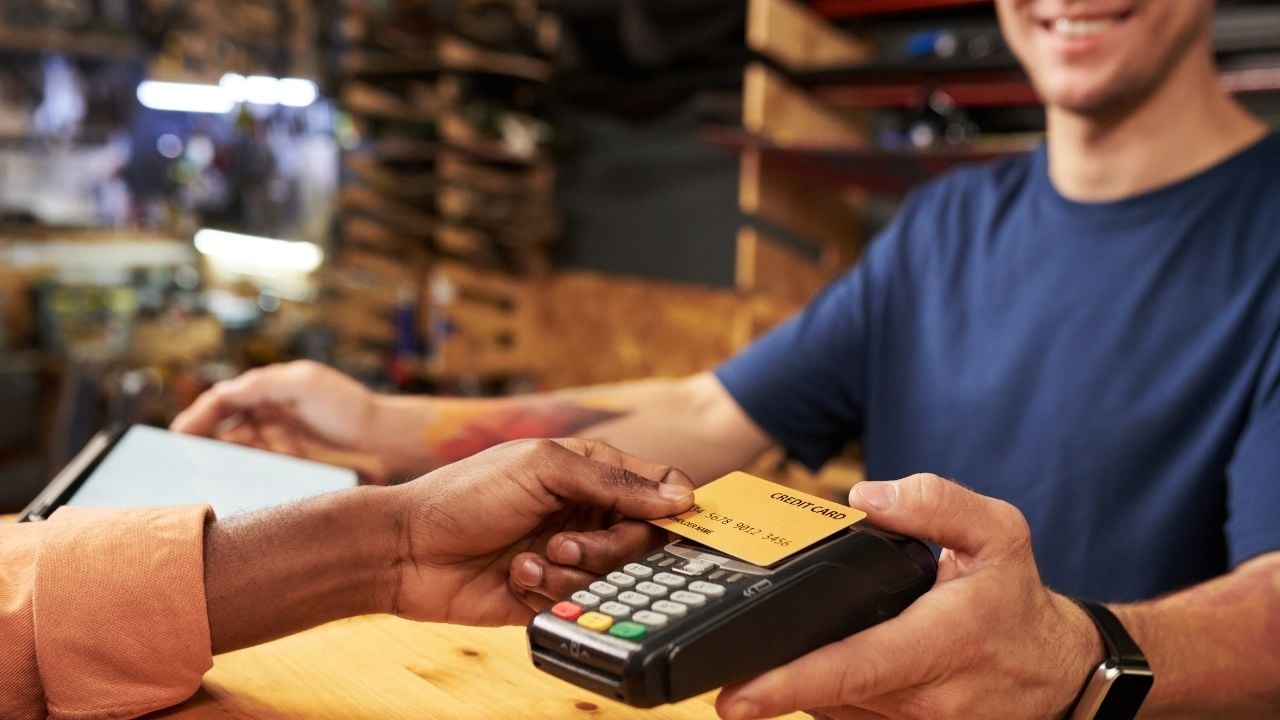
The tip screen adds a second purchase, decided in seconds while the cashier watches.
The state’s tipping average lands around 20.7%, among the more generous rates in the country.
That number has less to do with service and more to do with the screen sitting on the counter.
The cashier flips the tablet toward the customer, screen glowing, three preset percentages front and center.
A “No Tip” button sits off to the side, in smaller type.
Tapping it means saying no with the cashier three feet away, so many people tap a percentage instead.
That default percentage is higher than any cashier would ever request out loud.
It still works.
A 2025 nationwide survey from Talker Research found Americans still give in to that exact pressure about 4.2 times a month on average, adding up to $283 a year in tips they later admit felt too high, down from over $450 the year before.
The screen still gets almost everybody at least once a week.
Psst! How much of your spending comes from social pressure instead of your own budget? Run through this checklist and see where you land.
4. Contractor’s Today-Only Upgrade
A contractor sitting at an Ohio kitchen table almost always plays the same card near the end of a roof, driveway, or heating and cooling (HVAC) quote.
Sign today, and the discount holds. Wait even a day, and it’s gone.
Walking a stranger to the door after they’ve spent an hour in the living room feels ruder than it should.
The homeowner signs.
The pressure is common enough that Ohio built a legal escape hatch into it: The state’s Home Solicitation Sales Act gives buyers three business days to cancel any in-home sale of $25 or more, no reason required.
Ohio’s Three-Day Cushion on Home Sales
Ohio’s cancellation right only kicks in for sales made in person, away from the seller’s normal place of business, worth $25 or more, which covers a contractor’s pitch made at the kitchen table.
The seller has to hand over a written cancellation notice. The seller can’t start the work or cash the check until the three-day window closes.
Cancel in writing before that window ends. The seller then owes a full refund within 10 days.
5. Wedding or Shower Registry Gift
A wedding or baby shower registry link forwarded by a coworker, a cousin, or a work friend rarely tells an Ohio guest what to spend. That number isn’t printed anywhere on the invitation.
A guest could skip the registry and bring just a card.
Almost nobody does.
The Knot’s guest data puts the average wedding gift at $150, with a distant relative or coworker typically giving between $100 and $150 and a close friend or family member paying more.
Guests fill in their own number, guided mostly by what everyone else in the group chat says they’re giving.
Nobody wants to be the cheap one.
That’s the “no” almost nobody says out loud: Walking in with just a card, or nothing at all, while everyone else brings a box off the list.
A guest picks the higher number instead, the one that won’t embarrass them in front of people they’ll see again at Thanksgiving.
6. Table by the Store Door
Ohioans run into the same folding table outside a Giant Eagle or a hardware store every fall.
A kid sits there selling popcorn, candy, or magazine subscriptions for a scout troop or a school club, looking straight at whoever walks past.
Girl Scouts of Western Ohio opens its fall product program of nuts, candy, and magazines on October 2, and that kickoff repeats at doors and tables across the state for weeks after.
Eye contact works.
Walking past a kid who just asked a direct question, out loud, takes more nerve than scrolling past an ad ever will.
Shoppers open their wallets for a tin of popcorn nobody especially wanted, one table or one doorbell at a time.
The Trouble With Saying No
Ohioans aren’t unusually easy to talk into a purchase; the discomfort of refusing somebody standing right in front of you is a documented blind spot, not a character flaw.
Research out of Cornell University, led by professor Vanessa Bohns and built on studies with more than 14,000 people making direct, in-person requests, found that askers consistently underestimated how often a stranger would say yes, by roughly half.
The gap runs both ways.
If askers don’t realize how often people cave, the people being asked don’t realize how much power they have to decline.
People pay for that awkwardness too, often before they pay for anything else.
Bohns and her colleagues found the medium matters too: A face-to-face request got a yes far more often than the same request sent by email, by a factor of 34 to 1 in one study.
That gap helps explain why an in-person ask succeeds so often when the same message printed on a flyer would get ignored without a second thought.
6 Ways Ohio Shoppers Waste Money at Save A Lot Without Noticing

Save A Lot has closed close to 100 stores nationwide since the start of 2025, leaving entire states without a single location.
The stores still standing keep prices well under a regular supermarket’s, and a few checkout habits are what we’d flag as still costing Ohio shoppers more than they realize.
6 Ways Ohio Shoppers Waste Money at Save A Lot Without Noticing
9 Sheetz Orders That Instantly Mark an Ohio Regular
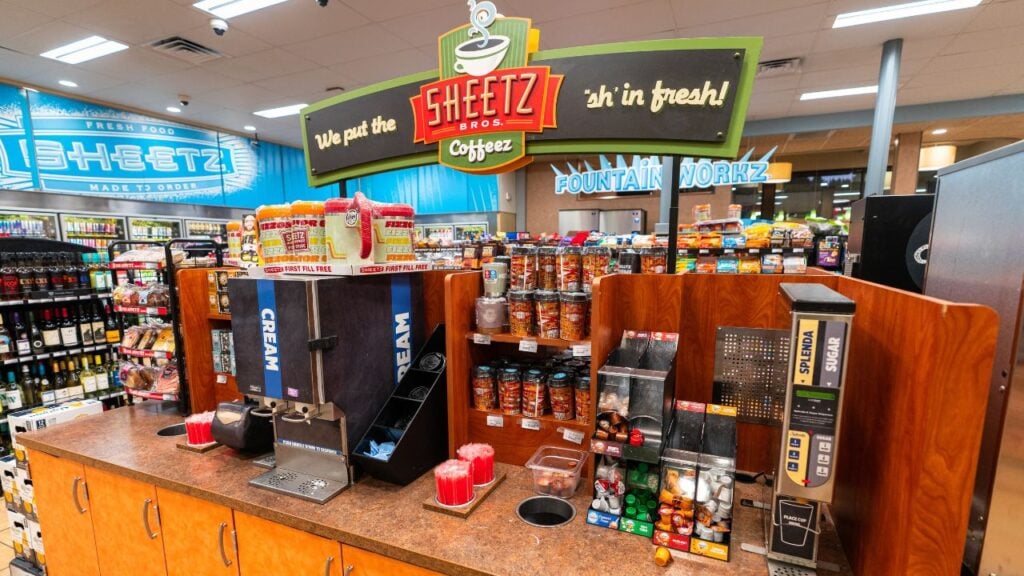
A first-time visitor stands at the Sheetz touchscreen scrolling through pictures, hunting for a plain burger.
A longtime regular walks past them, taps through four screens from memory, and already has a fully custom order queued before the newcomer finds the menu.
