
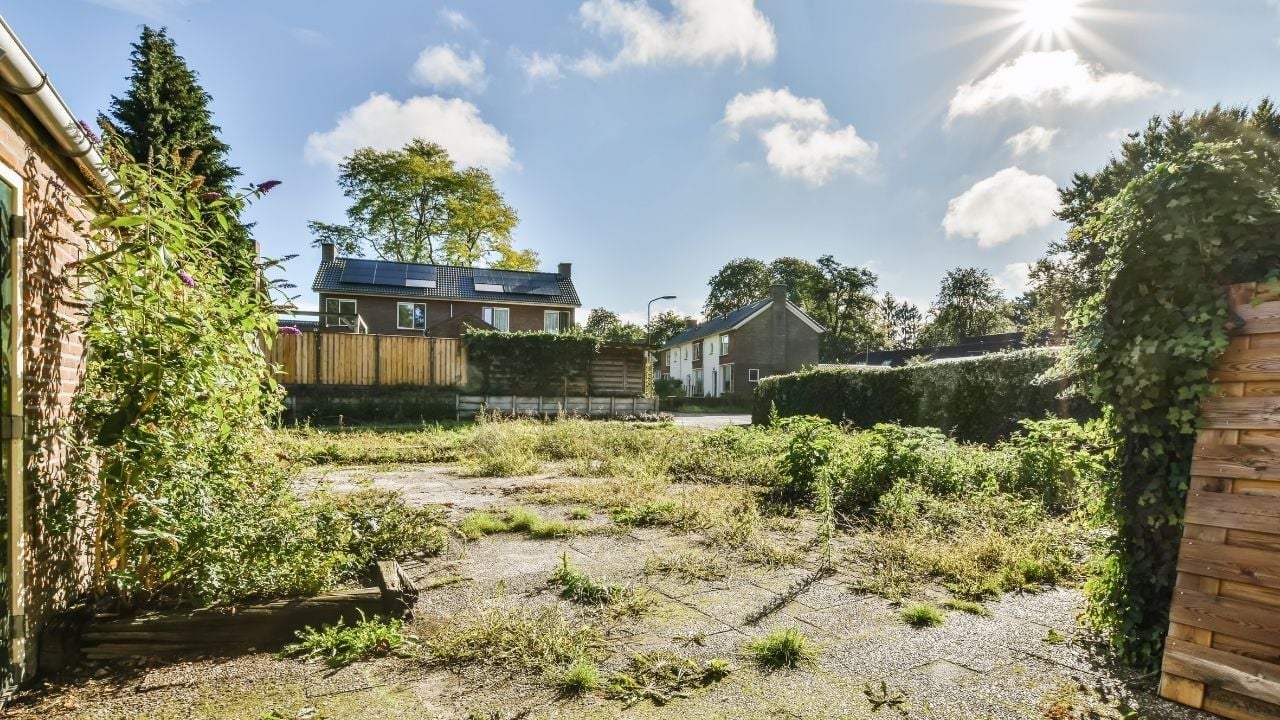
4 Lawn Citations Pennsylvania Homeowners Lose by Missing the Appeal Deadline

A citation for tall grass might not seem like a big deal when it lands in your mailbox.
The problem is the clock.
Pennsylvania townships set different property rules and, in some places, give people only a matter of days to challenge a violation before enforcement moves forward.
These are the lawn citations Pennsylvania homeowners can lose by missing the appeal deadline.
Note: This is general information, not legal advice. Local ordinances, notice periods, and appeal deadlines vary by township and are subject to change.
1. Overgrown Grass and Weeds
A Pennsylvania township code officer doesn’t need much to write up tall grass and weeds.
Whitehall Township’s own code caps growth at 15 inches, and once a code officer measures past that line, the notice goes out.
Fifteen inches isn’t much.
The homeowner then has 20 days to appeal that notice to the township’s own Board of Appeals before the citation becomes final.
If a homeowner misses it, the height finding stands no matter what the lawn looks like by the time anyone shows up to argue.
When Pennsylvania’s Appeal Clock Starts
A cited Pennsylvania homeowner’s appeal window doesn’t start the day the letter gets read at the kitchen table.
It starts the day the township serves the notice, whether that’s the postmark on a mailed letter or the date someone posts it on the front door.
A vacation, a lost envelope, or a slow mail carrier doesn’t move that date.
The countdown just runs.
2. A Listed Invasive Weed
Whitehall Township’s weed rules don’t stop at height, and other Pennsylvania townships keep a similar list.
The township’s code separately bans named invasive plants, including Japanese knotweed, multiflora rose, and garlic mustard.
Height doesn’t matter here.
A tidy, freshly mowed patch of knotweed still counts as a violation.
The same 20-day appeal clock applies, and once it runs out, the finding locks in even if the plant gets pulled the next morning.
3. Watering the Lawn Under Restrictions
Once Conewago Township’s supervisors declare an imminent shortage situation, running a hose or sprinkler on the lawn turns into a violation.
The Adams County township’s water conservation ordinance names lawns and grass, right alongside shrubbery and garden beds.
No guessing what counts.
A first offense draws a warning.
A second one becomes a summary offense before a magisterial district judge, with a fine between $200 and $1,000.
Missing Pennsylvania’s own deadline for fighting that conviction leaves the fine standing, shortage or no shortage.
Psst! How citation-proof is your yard right now? Run through this checklist and see how you score.
4. Grass Clippings in the Street
Penn Township, in York County, doesn’t stop at how tall the grass grows.
Its property maintenance code separately bans letting mowed grass or weeds lie where they land on a public street.
A homeowner who blows clippings across the curb while mowing is already in violation, tidy yard or not.
The mower did it.
The notice runs through the township’s own Board of Appeals, the same as any other property maintenance citation.
That board only gives a short window to object.
After it closes, the code official’s finding becomes the township’s final record of the violation.
What Missing It Costs
A Pennsylvania homeowner who misses that window loses more than a chance to complain.
The case moves straight to enforcement, and the underlying facts stop mattering.
A citation that goes uncontested through a magisterial district judge becomes a summary conviction.
Pennsylvania’s own court rules only reopen that case if the homeowner appeals within 30 days, a deadline set statewide rather than by any single township.
After that, Pennsylvania’s court rules allow a narrow nunc pro tunc exception in some cases.
Courts grant those sparingly.
A township that already mowed the lawn, drained the water, or hauled off the debris itself can add that cost to the property as a municipal claim.
That kind of claim follows the house at sale, not just the person who got cited.
Township-by-Township Clocks
More than 1,400 townships run local government in Pennsylvania, according to an explainer from WHYY, the Philadelphia public broadcaster, on how the state’s local governments work.
State law makes second class the default township classification.
Not one clock.
The state’s Second Class Township Code is what hands supervisors that power in the first place, letting each township write its own property maintenance rules.
That includes deciding whether a homeowner gets a local appeal step at all.
Whitehall Township and Cecil Township both built a 20-day window into their own codes, letting a cited homeowner appeal straight to a township Board of Appeals before anything reaches a courtroom.
Other townships skip that step completely.
Hellam Township’s grass and weeds ordinance gives an owner 10 days to cut the lawn, then moves straight to a citation with no township-level appeal built in at all.
The One Statewide Rule
Every one of the citations above comes down to a local township’s own code, with its own numbers and its own appeal window.
One lawn rule skips that patchwork.
Every township, no exceptions.
Pennsylvania’s Act 83 bans phosphorus lawn fertilizer statewide, in every township, unless a homeowner is establishing or repairing turf.
The same law requires a 15-foot buffer between any fertilizer application and the bank of a stream, pond, or other waterway, and bars spreading fertilizer on frozen or snow-covered ground.
No township vote changes any of it.
Enforcement details for an individual homeowner’s own yard are far less mapped out than the local grass-and-weeds citations above, so this one is worth knowing rather than worth fearing an appeal clock over.
9 Things Pennsylvania Homeowners Should Know Before a Data Center Moves In
An empty field a few miles from home turns into a construction site, and the notice arrives only after the zoning hearing is already on the calendar.
Water use, noise, and property values all move once a data center picks a Pennsylvania township. Many homeowners never see the shift coming until it’s already underway.
9 Things Pennsylvania Homeowners Should Know Before a Data Center Moves In
9 Pennsylvania Utility Fees That Have Skyrocketed Since 2020

A Pennsylvania utility bill in 2020 and the same bill today barely resemble each other, and the line items that jumped the most rarely get an explanation.
Some of the increases trace back to infrastructure costs; others trace back to fees nobody remembers approving.
9 Pennsylvania Utility Fees That Have Skyrocketed Since 2020
