

6 Assisted Living Costs That Land on South Carolina Families After the First Invoice

South Carolina’s assisted living communities carry a monthly median cost of $5,350, according to CareScout’s 2025 Cost of Care Survey.
These are the costs that show up on South Carolina families’ invoices after that first one already came and went.
Note: This is general information, not legal or financial advice. Confirm current fees, regulations, and waiver rules with the South Carolina Department of Public Health and the South Carolina Department of Health and Human Services.
1. Community Fee’s Refund Clause
That $5,350 median covers the monthly rate at a South Carolina assisted living community, and it isn’t the first money a family hands over.
Many also charge a one-time community fee on top of it, paid before a resident moves in.
State regulation requires the written admission agreement to disclose fees for every service (regulation) before a resident is admitted.
That same regulation requires the agreement to spell out a refund policy covering when money gets sent back after a discharge, transfer, or relocation.
It only requires that the formula exists in writing, not that any of the fee comes back.
Families read the fee number at the signing table.
The refund clause next to it is easy to skim past.
Few read it early.
A transfer to memory care, a move to another community, or an early discharge is when a family finally finds out what that clause pays back.
Sometimes that’s months after the first invoice already came due, and often for less than they assumed.
2. Level-of-Care Resets
South Carolina’s own regulation for assisted living admission agreements requires each community to explain, in writing, the individualized care, services and equipment it provides.
It never defines the levels themselves, so each community designs its own tiers and prices them independently.
A quote from move-in day reflects a resident’s condition on move-in day, nothing further out.
Once a nurse reassesses that resident, weeks or months later, the community can move the resident into a higher tier.
The new tier costs more.
Communities bill level-of-care charges as their own line item apart from rent, and Forbes Health reports they drive the single biggest share of a resident’s total cost.
South Carolina families rarely see that reassessment coming because nothing in the admission paperwork tells you when it happens or how much a community will raise the tier by.
3. Medication’s Monthly Line
South Carolina requires medication administered inside an assisted living community to go through staff trained by a licensed professional, under the state’s own regulation.
The same staff member who prepares a dose has to give it, and only within an hour of preparing it.
That first invoice reflects whatever prescriptions a resident is taking on moving day.
A senior’s list of prescriptions rarely stays the same for long. A new diagnosis, a new specialist, a new pill can all change it.
Communities rebill for it every time.
Then it’s billed again.
Many South Carolina communities bill medication management as its own monthly charge, layered on top of the base rate and separate from any level-of-care fee.
Add a new prescription, and the community raises that monthly line on the next invoice, even though the room and the rent stay exactly the same.
The Math Behind South Carolina’s Medication Line
South Carolina’s assisted living communities bill medication management as its own charge, and they reset it whenever a resident’s prescription list changes, not on any calendar schedule.
The American Association of Retired Persons (AARP) has reported cases where a single new pill added to a resident’s daily regimen raised the monthly medication charge by $100, with the room rate untouched.
Two residents can share the same hallway and the same base rate and still get two different invoices, just because one resident takes more medication than the other.
4. Everyday Extras Billed a la Carte
South Carolina communities charge for everyday extras a la carte, on top of rent, level of care, and medication management.
A family budgets from the quoted base rate at signing.
Everyday extras aren’t part of that number.
AARP has documented weekly personal laundry service running $50 to $100 at some communities, billed apart from the base rate.
A salon visit, an extra trip to the doctor outside the scheduled van run, and a guest meal for a visiting family member each add their own charge the moment a resident uses the service.
You pay for what you use, not what you toured.
Small charges add up.
A South Carolina family can price out the base rate months in advance and still watch a single invoice run several hundred dollars past plan.
It happens one small charge at a time, well after that first bill looked right on the mark.
5. Rate Hikes on a 30-Day Clock
A rate that looks reasonable on a South Carolina family’s first invoice can rise on the second, the sixth, or the twentieth.
State regulation lets any assisted living community there raise its rates with only 30 days’ written notice, and nothing caps how large that increase can be.
That’s the same regulation that requires the fee disclosure families see at signing.
Just a warning letter.
A South Carolina family can budget carefully for year one and still get a rate letter in year two.
6. Medicaid’s Room-and-Board Gap
South Carolina families who apply for the state’s Community Choices Medicaid waiver can wait years for an answer, not weeks.
The Post and Courier reported a waitlist that topped 3,300 people in early 2026, and advocates who work with applicants say it can take years to secure a waiver of any kind.
Years pass. The invoice doesn’t.
Every month on that waitlist is a month your family pays the community directly, at the full private-pay rate.
Care services are what the waiver eventually pays for inside an assisted living community, not the roof over a resident’s head.
The state’s own waiver rules exclude room and board from what the program covers.
The waiver’s 2026 limits sit at $2,982 a month in income and $2,000 in assets for a single applicant, numbers that leave much of a resident’s Social Security check and pension earmarked for the room-and-board bill anyway.
A South Carolina family can win that approval after years of waiting and still owe the community every month for the bed, on a bill that started arriving long before Medicaid ever did.
Psst! How much do you know about the assisted living industry nationwide? Take our quiz and see if you can ace it.
Quiz
Assisted Living IQ
Answer these questions on the assisted living industry nationwide. We bet you can’t get them all right. Prove us wrong?
About how many licensed assisted living communities operate across the U.S. today?
9 Hurricane Prep Steps South Carolina Homeowners Put Off Until It's Too Late
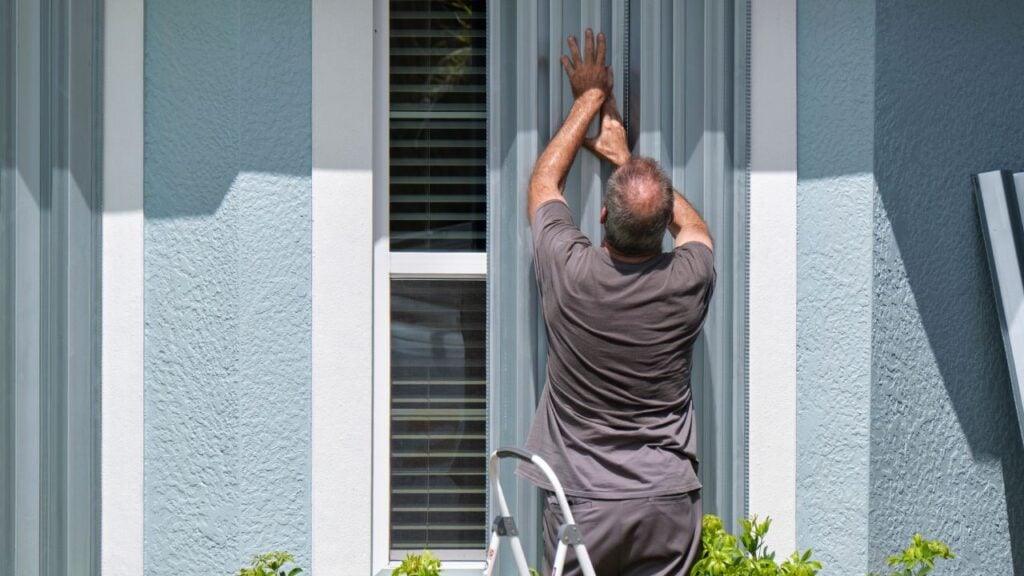
September 10 marks the historical peak of hurricane season, and some South Carolina homeowners are still working through a prep list they started back in June.
A shutter order placed too late, a tree nobody called anyone about, a policy nobody reviewed. Small delays turn a storm warning into a scramble.
9 Hurricane Prep Steps South Carolina Homeowners Put Off Until It's Too Late
9 Habits South Carolinians Develop Without Ever Realizing It

Live in South Carolina long enough, and certain behaviors start running in the background.
A glance at the hurricane cone, a quick check of the yard, and one look at the barbecue sauce bottle happen without a second thought.
9 Habits South Carolinians Develop Without Ever Realizing It
