

8 Places That Won’t Let a Pennsylvania Grandparent Sign for a Grandchild

It’s National Grandparents Day, and some grandparents across Pennsylvania will spend it the way they spend many days: Driving a grandchild somewhere, picking one up, walking one through a door marked “sign in here.”
The signature is where it gets complicated.
Pennsylvania’s 2018 standby guardianship law, Act 88, is one of the only documents that turns a grandparent’s signature into one an official has to accept.
These are the places that won’t let a Pennsylvania grandparent sign for a grandchild.
Note: This is general information, not legal advice. Consent, guardianship, and records-access rules vary by situation and are subject to change.
1. The Field-Trip Permission Slip
A field-trip permission slip is one of the few school forms that needs a signature, and Pennsylvania schools default to just one name on it: The enrolling parent’s.
Districts collect that name at registration, and the form goes home with instructions to return it signed by whoever’s listed as the parent or legal guardian on file.
A grandparent’s signature doesn’t count.
Even a grandparent who handles pickup every day can’t sign a permission slip in a parent’s place unless the district has separately granted them guardian or standby-guardian status in writing.
Without that signature, the grandchild stays behind while classmates board the bus.
2. The Doctor’s Exam Room
A Pennsylvania grandparent bringing a grandchild in for a routine checkup hits Pennsylvania’s most basic rule of all.
Medical treatment needs a parent or guardian‘s consent, and a grandparent isn’t either by default.
Not automatic.
Two documents change that.
Pennsylvania’s 2018 standby guardianship law, Act 88, lets a parent name a grandparent in writing to step in as a coguardian once a defined trigger happens, like a serious illness or a deployment.
A shorter document covers everyday care instead of waiting on a trigger: Pennsylvania law lets a parent sign a power of attorney handing a grandparent the authority to consent to medical, dental, and mental health treatment, no court involved.
Either one turns a grandparent from a bystander in the waiting room into someone the front desk has to listen to.
Standby Guardian or Simple Power of Attorney?
Pennsylvania offers grandparents two different documents, and mixing them up is the mistake families make most.
The medical and dental power of attorney only covers health decisions. It needs the parent’s signature plus two adult witnesses who aren’t named anywhere else in the document, and it stays in effect until the parent cancels it in writing.
Standby guardianship under Act 88 needs those same two witnesses, but it only turns on after a defined event a parent spells out in advance, and it lets a grandparent share custody, not just consent to one visit.
3. The Dentist’s Chair
Pennsylvania draws no distinction between medical and dental consent, so a grandparent sitting through a grandchild’s cavity filling faces the identical rule as the doctor’s office.
Pennsylvania’s own delegation law names dental treatment right alongside medical and mental health care, which is no accident.
A toothache doesn’t reliably clear the bar for the emergency exception the way a broken bone typically does.
Pain isn’t danger, legally.
A grandchild wincing through a cavity still needs consent on file before a dentist does more than look.
Many Pennsylvania dental offices ask new patients for that paperwork at check-in because they’ve been burned before by a family that assumed a grandparent’s say-so was enough.
4. The Camp Registration Form
Signing a grandchild up for a week of day camp runs into the same wall as a field trip.
Camp registration packets in Pennsylvania typically require a parent or legal guardian’s signature on the medical release and emergency-contact sections, not just any adult dropping off the paperwork.
No name, no signature.
A camp director who’s never met the family has no way to verify a grandparent’s authority on sight, so many camps solve it by requiring either the parent’s own signature or a notarized authorization naming the grandparent.
Psst! How much do you know about the holiday behind today’s date? Take our quiz and see if you can ace it.
Quiz
Grandparents Day IQ
Answer these questions on the holiday behind today’s date. We bet you can’t get them all right. Prove us wrong?
The push for a National Grandparents Day started in 1970, but not in Pennsylvania. Which state did it start in?
5. The Urgent Care Desk
A Pennsylvania grandparent walking a scraped-up grandchild into urgent care usually assumes the visit itself counts as the emergency that lets treatment happen without anyone's signature.
It doesn't, not usually.
Pennsylvania's emergency exception kicks in only when a child's life or health is in danger, not whenever a visit feels urgent.
A twisted ankle, a deep splinter, a kid who won't stop coughing: None of that clears the bar on its own.
Urgent care staff still treat life-threatening injuries without waiting on a phone call.
Everything short of that, they're allowed to ask a grandparent to wait while someone reaches a parent, and plenty do exactly that.
6. The IEP Consent Form
Consent for special-education services comes with its own signature line, and a Pennsylvania grandparent sitting in on a grandchild's Individualized Education Program (IEP) meeting still can't put a legal one on it.
Federal special-education law requires written parental consent before a school can start, change, or continue services under an IEP. It defines "parent" narrowly: A birth or adoptive parent, a legal guardian, or someone acting in a parenting role for a child with no parent available.
Attending isn't signing.
The school can invite a grandparent to sit in, share updates, and ask questions, but the consent line at the bottom of the form still needs a parent's or legal guardian's signature before services move forward.
7. The Passport Office
The strictest rule on this list comes from Washington, not Harrisburg, and it surfaces the moment a Pennsylvania grandparent tries to get a grandchild a passport for a family trip.
Federal rules require both parents or guardians to either appear in person or sign off before the U.S. State Department issues a passport to a child under 16.
A grandparent applying alone, without both parents present, has to produce a notarized consent form from both of them, plus a copy of each parent's photo ID.
One parent's blessing isn't enough.
Skip that step, and the application gets denied outright, no matter how many summers that grandparent has spent planning the trip.
8. The Sports Sign-Up Table
A Pennsylvania grandparent signing a grandchild up for a fall sports team gets stopped by the same kind of paperwork wall as everywhere else on this list.
Before a Pennsylvania student can practice or play, a parent or guardian has to fill out and sign the certification section of the state's required pre-participation physical form.
Coaches can't waive it.
A grandparent who drops a grandchild off at tryouts with the physical form in hand but the wrong signature on it gets sent home to find the parent instead.
It happens every August and September, right when fall rosters lock in.
Where Pennsylvania Makes This Easy
Pennsylvania doesn't block a grandparent everywhere.
Enrolling a grandchild in public school is the one major exception on this list, and it takes far less than a power of attorney or a guardianship filing.
Pennsylvania's School Code lets a resident who's supporting a child full time, at no cost, as if the child were their own, enroll that child with a sworn affidavit instead of a court order.
No judge involved.
That affidavit only covers enrollment, though.
It doesn't authorize an early pickup, a look at a report card, or a signature on a field-trip form. The same grandparent who enrolled a grandchild without a hitch can still get stopped cold at the front office three weeks later.
9 Things Pennsylvania Homeowners Should Know Before a Data Center Moves In
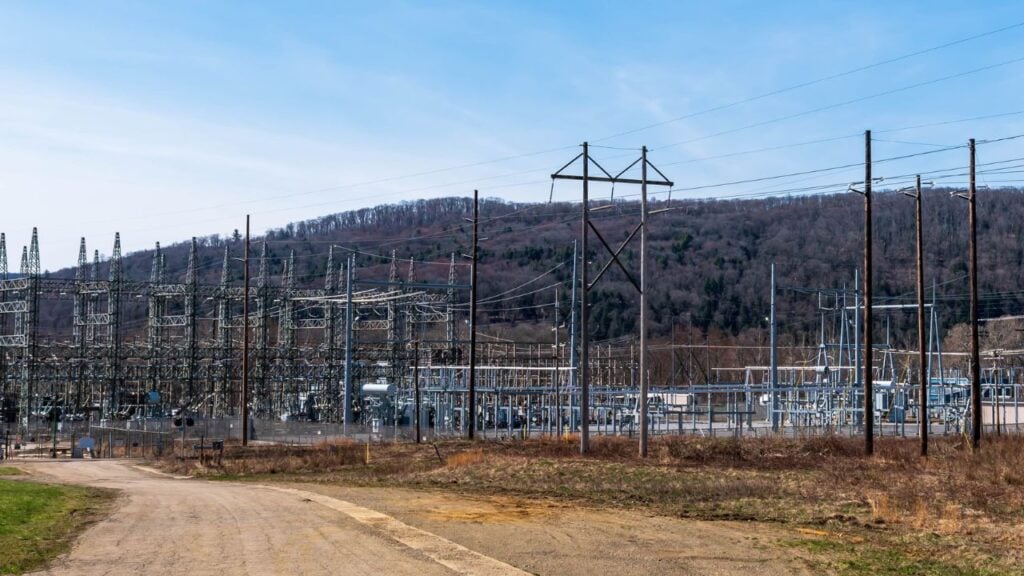
Pennsylvania's sales-tax break for data centers is on track to cost the state more than $2 billion by 2031.
That's the kind of number that changes a neighborhood long before the building itself goes up.
9 Things Pennsylvania Homeowners Should Know Before a Data Center Moves In
10 Financial “Rules” Pennsylvania Boomers Followed That No Longer Work the Same Way

A three-month certificate of deposit paid close to 18% back in 1981, and no bank pays anywhere near that today.
Baby boomers who learned to trust a savings account, a pension, or a 65th birthday are running those old habits against a completely different set of numbers now.
10 Financial “Rules” Pennsylvania Boomers Followed That No Longer Work the Same Way
