
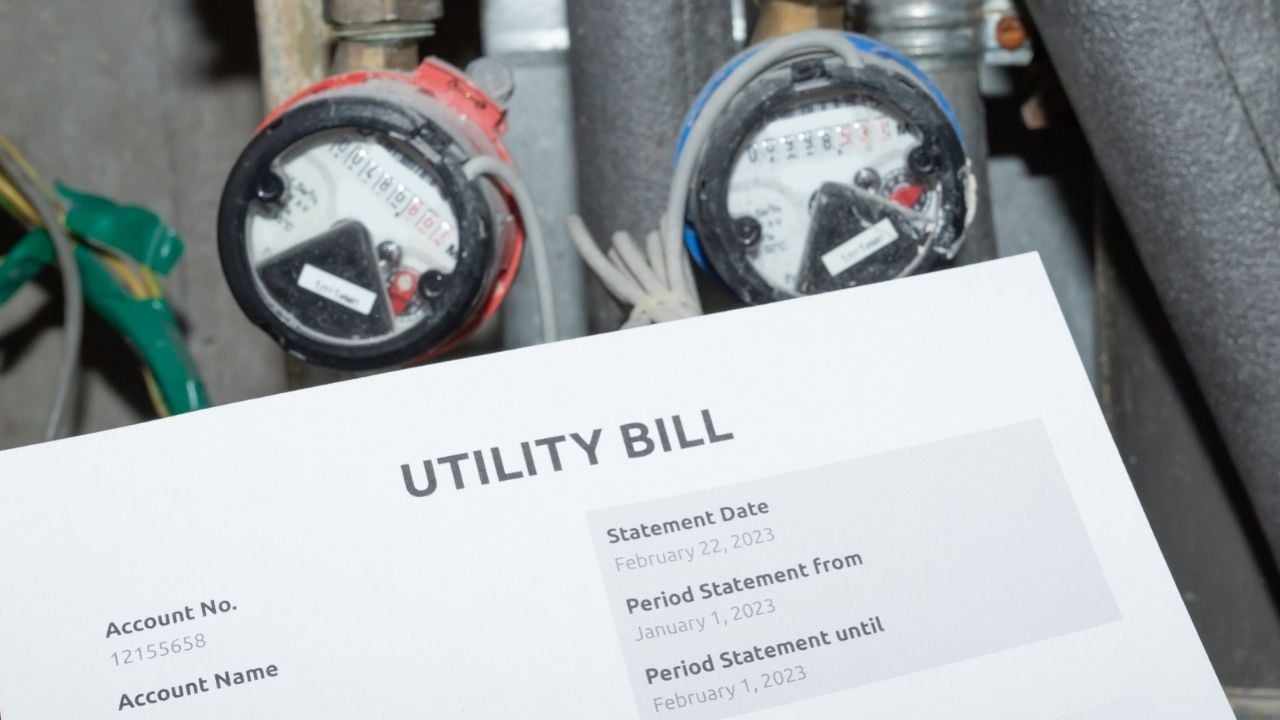
4 Charges on a First Ohio Utility Bill That Belong to the Previous Owner

Ohio Realtors counted 13,078 closed home sales across the state in June 2026.
Many previous owners used utilities for a portion of the month before they moved out.
Not all of that utility bill is yours to pay.
These are the charges on a first Ohio utility bill that belong to the previous owner.
Note: This is general information, not legal advice. Utility account rules and Ohio’s lien laws are subject to change.
1. Usage From Before Your Closing Date
Usage from before your closing date is the first charge worth checking on a first Ohio utility bill.
Ohio real estate closings typically make the seller responsible for electricity, gas, and water use through the day of closing.
That line holds only when someone requests a final meter reading.
Skip that request, and the meter just keeps running through one continuous billing cycle.
One meter, two owners.
Ask your closing agent to schedule an actual reading, on every meter at the address, for the day you take title.
2. The Gas Reading Correction
A corrected natural gas reading is the second way a previous owner’s charge can slip onto a first Ohio utility bill.
A meter reader can’t always reach the meter on the exact day service changes hands, so a seller’s final gas bill sometimes goes out as an estimate.
Weeks later, the utility corrects that estimate against the actual number, and the difference becomes a true-up.
Ohio’s rule for electric utilities only lets that kind of leftover balance move to a subsequent bill for the same customer.
AEP Ohio, part of American Electric Power, and Duke Energy Ohio both bill under that rule.
Not you.
Gas doesn’t get that guarantee.
Ohio’s parallel rule for gas companies, OAC 4901:1-13-11, spells out everything a Columbia Gas of Ohio bill must show without repeating that same-customer limit.
That gap means a corrected gas true-up carries no guarantee it will land back on the seller instead of the address.
What “Same Customer” Means, and Why Gas Skips It
Ohio’s transfer rule for electric utilities defines the limit narrowly, tying an unpaid balance to another account held by that identical customer, for the identical type of service.
A seller’s leftover balance can follow the seller to a new Ohio address, but it can’t follow the house to a new owner.
Ohio’s gas billing rule sets no matching test of customer identity or service type, so a corrected gas balance has no codified route back to the seller.
3. An Unpaid Balance Tied to the Water Meter
An unpaid balance on the water meter works differently than an electric or gas account in Ohio.
Many Ohio cities and counties run water and sewer systems directly, rather than through an investor-owned utility.
The Public Utilities Commission of Ohio (PUCO) has no authority over those systems the way it does electric and gas.
Ohio law lets a municipality certify a delinquent water bill to the county auditor, where it becomes a lien collectible like a property tax.
The lien follows the address.
For an owner-occupied sale like this one, that has little to do with whoever’s name was on the account when the bill went unpaid.
County sewer districts work under a similar statute, so the same risk applies to sewer charges too.
A title search usually catches this before closing and forces payoff at the table, but not always.
When it slips through, a new owner can find a past balance already sitting on the account the day service starts.
4. A Budget Plan True-Up Running on the Account
AEP Ohio and Columbia Gas of Ohio both run budget billing plans that average a customer’s yearly usage into one flat monthly payment.
That average is built from the enrolled customer’s usage history, not the meter’s history.
That enrollment survives the sale.
Once a year, the utility settles the difference between what that customer paid and what they used, refunding or billing the gap on that same account.
If the previous owner enrolled the address in that plan and nobody tells the utility the house changed hands, the utility never finds out.
The utility keeps running its annual settlement against a stranger’s year of usage instead.
Ask whether a Budget Plan was active at the address, and have it closed out on the seller’s side instead of carried onto yours.
Electric and Water Differences
AEP Ohio and Duke Energy Ohio, two of Ohio’s investor-owned electric utilities, both answer to PUCO.
PUCO’s billing rules tie every electric account to one customer, not one address.
Close an account with either company, and the balance goes with the person who opened it.
A city or county water and sewer system in Ohio typically sits outside PUCO’s authority, run directly under the Ohio Revised Code instead of PUCO’s rules.
That’s what matters at closing.
An electric account starts clean under a new name, while a water or sewer account can still carry weight from the address’s history.
Psst! How much do you know about Ohio’s utility history? Take our quiz and see how many you can get right.
Quiz
Ohio Power & Water IQ
Answer these questions on Ohio’s utility history and rules. We bet you can’t get them all right. Prove us wrong?
Which Ohio natural gas utility used to operate under the name Dominion Energy Ohio before a 2024 sale?
The Closing Document That Prevents All of This
A written zero-balance statement from the seller's utility account is paperwork many new Ohio homeowners never think to request before their first utility bill arrives.
Ohio home buyers keep closing at a steady clip, with 13,078 closed sales recorded across the state in June 2026 alone, according to Ohio Realtors.
A seller's final bill often can't be confirmed as settled until weeks later, once a corrected reading replaces the original estimate.
Ohio's gas billing rule requires Columbia Gas of Ohio to print one recourse on every bill: PUCO's hotline at 1-800-686-7826, plus the Ohio Consumers' Counsel number.
A five-minute call to that line can resolve a wrongly transferred charge faster than any dispute with the seller ever will.
Put that zero-balance request in writing, even a text message time-stamped before closing, and keep a copy with the rest of the closing file.
That copy becomes the one document that separates a clean first bill from a first bill that's still someone else's.
6 Ohio Tax Credits Retirees Overlook Every Filing Season

Ask a retired couple in Dayton whether they claimed every credit on their Ohio return this year, and many won't even recognize the question.
Ohio's Social Security exemption draws so much attention that many retirees stop reading the state return right there, leaving credits unclaimed.
6 Ohio Tax Credits Retirees Overlook Every Filing Season
6 Ohio Recycling Mistakes That Could Cost You a Fine
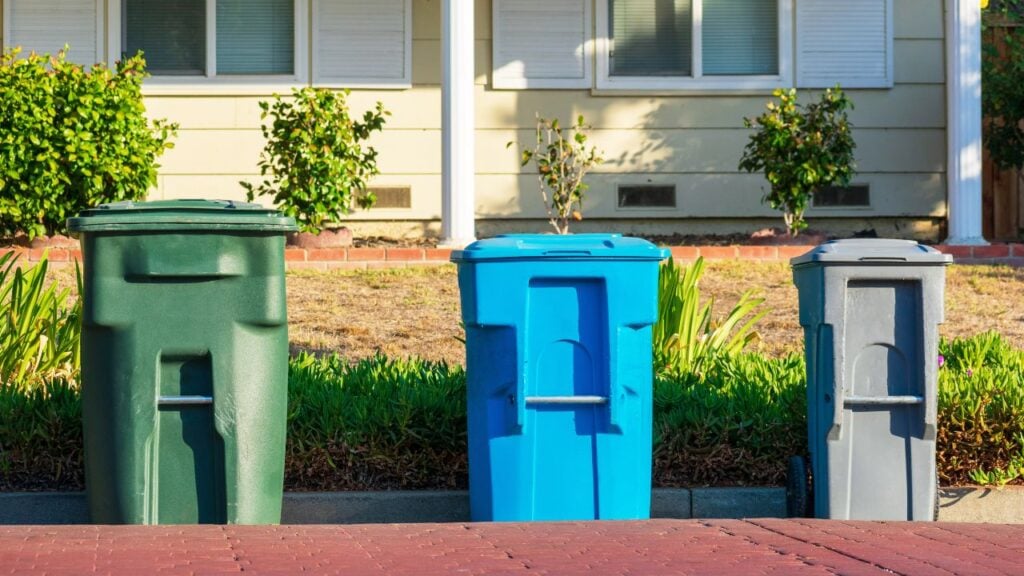
Ohio's illegal dumping law carries a felony charge and a fine that can reach $25,000, for something as ordinary as leaving trash where it doesn't belong.
Cities and counties across Ohio write citations every week for far smaller recycling mistakes, the kind that never make the local news.
