
8 Habits Floridians Drop the Week Peak Hurricane Season Finally Passes

The National Hurricane Center’s climatology says September 10 is the single most active date of the Atlantic season.
That was last week.
Hurricane season runs through November 30. Nevertheless, many households start loosening up some seasonal habits once that peak date is behind them.
These are the habits Floridians drop the week peak hurricane season finally passes.
1. Checking Your Storm Tracker
Many Floridians spend late summer glued to the National Hurricane Center’s tropical outlook, the same one that marks September 10 as the season’s most active date.
Every spinning icon on the map gets a name, a color, and a group chat.
Florida Realtors has pointed out that the forecast cone only shows where a storm’s center is likely to travel.
It says nothing about where the wind or flooding will land, a distinction the hurricane center’s leadership has had to explain more than once.
That doesn’t stop the habit.
Once the calendar clears that marked date without a storm bearing down on the state, the daily refreshing slows to a glance, then to nothing at all.
Storm activity doesn’t ease up just because the checking does.
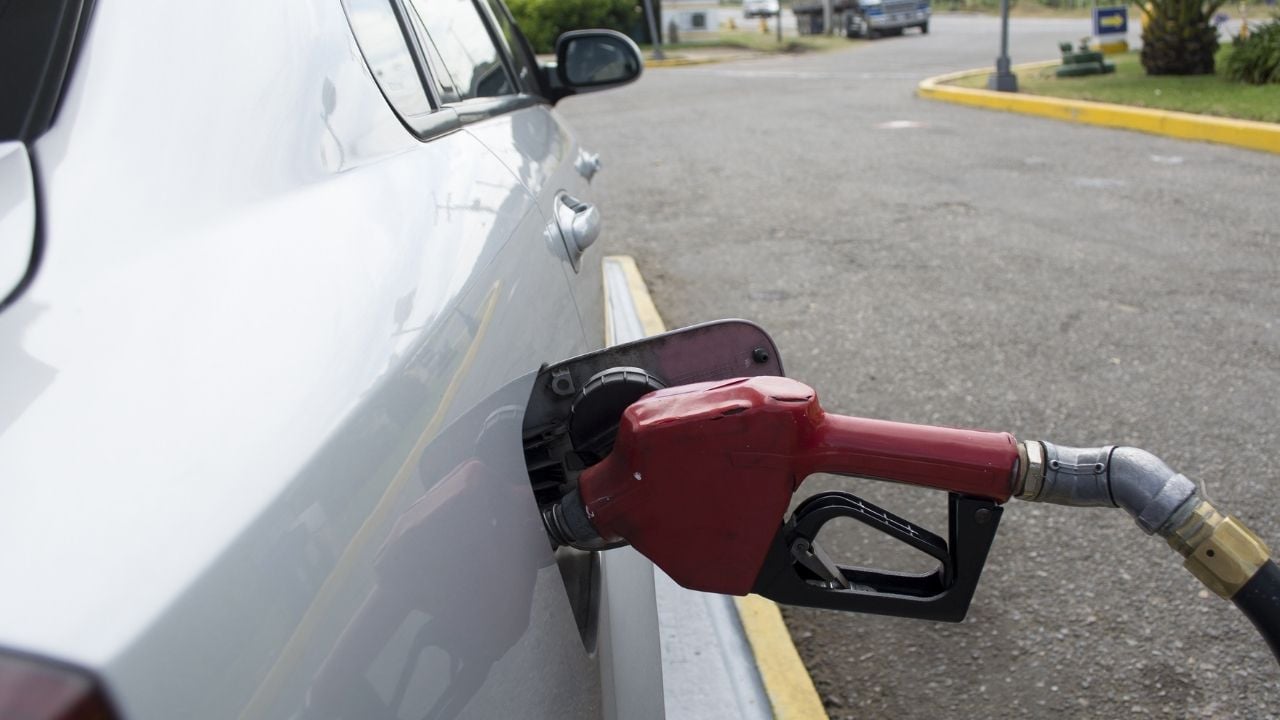
2. Topping off Your Gas Tank
Florida’s Division of Emergency Management runs a hurricane-season campaign called Halfway Full, Halfway There.
It asks every driver in the state to keep at least half a tank of gas from June through November.
The idea is simple.
A half-empty gas tank can’t get a family very far if an evacuation order lands with only a day’s notice.
That discipline doesn’t survive the peak date passing.
Drivers who topped off every fill-up in late August start skipping the extra stop, and the gas tank rides lower than it did in July.
The gas tank runs down toward a quarter, then an eighth.
Nobody’s driving less.
They’re just counting on the next tank of gas being there when they need it.
3. Restocking Your Water
Florida households that follow Miami-Dade County’s hurricane guidance store one gallon of water per person, per day, enough to cover three to seven days without a store run.
That’s a full week’s supply.
Floridians fill coolers, stack cases in the garage, and scrub out the bathtub just in case.
Once the peak date passes without a storm forming, the cases start disappearing into everyday drinking instead, and the stockpile shrinks back toward whatever’s left in the fridge.
Few households restock it until the next storm shows up in the outlook.
4. Staging Your Batteries
Florida Power & Light tells customers every year to check their radios and flashlights and stock up on batteries before a storm ever gets close.
Many households listen, at least while the tropics look busy.
The flashlight lands on the kitchen counter, and a fresh pack of batteries goes into a bag by the door.
No storm forms.
The peak date slips by unremarked.
Not anymore.
The flashlight drifts back into a drawer, and the batteries go back to powering the TV remote.
Psst! How hurricane-ready is your Florida home right now? Run through this checklist and see where you stand.
5. Checking Your Evacuation Zone
Florida runs a statewide program called Know Your Zone.
It lets any resident type in an address and find out whether they sit in Zone A, the first zone ordered out, or somewhere further down the list.
Many people look it up for the first time only after a storm has already entered the forecast.
That’s backwards.
Florida’s emergency managers say so every year.
Once the map clears and the peak date is behind them, many of those same people forget their zone by the following weekend.
It’s back to a mystery until the next cone shows up.
6. Rushing to Bind Your Policy
Floridians shopping for a new home insurance policy or a coverage increase rush to get it locked in before the tropics turn active.
Note: This is general information, not insurance advice. Coverage and terms are subject to change, so check the specifics with your insurer or agent.
Many Florida insurers pause new policies and coverage increases once a storm watch or warning is posted for the state, though the exact trigger varies by carrier.
The freeze has nothing to do with where a storm makes landfall.
The rush rarely survives past the peak date.
Floridians who were racing to lock in a policy in late August ease off, and new applications go back to moving at a normal pace.
The freeze itself stays in place.
The urgency around it doesn’t.
7. Fueling Your Generator
Florida households that lean on a portable generator are told to keep it fueled, tested, and ready before the peak date ever arrives.
A generator nobody has started in a year is a bad time to find out it won’t turn over.
Many owners do exactly that in late August, running the engine for a few minutes and topping off a couple of gas cans.
Does the habit stick around after that?
Rarely.
The test runs stop.
The gas cans sit in the shed.
By the time the next storm threatens, more than one Floridian finds a dead battery or a clogged carburetor at the worst possible moment.
Florida’s Limit on Home Gas Storage
Florida’s local fire codes cap how much gasoline a home can legally store for a generator, no matter how big the tank a homeowner wants to fill.
Many codes cap it around 25 gallons, split across containers that hold five gallons or less.
Go over that limit, or keep the cans in an attached garage near a water heater or an outlet, and a backup power plan turns into a fire risk fast.
8. Packing Your Document Bag
Federal guidance tells every Florida household to keep copies of insurance papers, identification, and bank records in a waterproof, portable container.
It sits right where somebody can grab it on the way out the door.
Many people build that folder once, right around when the peak date is bearing down and a storm looks like it’s coming for the state.
The folder works.
Once that date passes and the pressure clears, many people shove the folder back into a closet, and the papers inside it go stale within a season.
A birth certificate from three moves ago doesn’t do much good in a hurry.
9 Florida Building Code Rules That Surprise New Homeowners

Miami-Dade and Broward counties build to a tougher hurricane code than the rest of Florida, and many new homeowners don’t hear about it until a contractor brings it up mid-project.
The other sixty-five counties carry a separate list of rules that catch first-time buyers off guard, from window ratings to roof requirements nobody mentioned at closing.
9 Florida Building Code Rules That Surprise New Homeowners
9 Florida Home Insurance Discounts Homeowners Are Leaving on the Table

Florida will put up to $10,000 toward storm-proofing a home, and asking for that money is the part homeowners tend to skip.
A stack of smaller discounts is probably already sitting on a Florida policy too, the kind that take one phone call to claim instead of ten.
9 Florida Home Insurance Discounts Homeowners Are Leaving on the Table
