

10 Things Pennsylvanians Notice the Minute They Visit Their Aging Parents

The porch light clicks on before you reach the top step, the same motion-sensor bulb your dad put in years ago.
Everything looks the same about your childhood home.
Then you set your keys on the counter, and the small things start stacking up before your coat’s off.
These are the things Pennsylvanians notice the minute they visit their aging parents.
Note: This is general information, not financial or tax advice. Program income limits and rebate amounts are subject to change, so confirm the current figures with the Pennsylvania Department of Revenue.
1. The Different Yard
Your parents’ yard gives it away before you’ve even cut the engine.
Grass grown a few inches past where your dad ever let it sit, or hedges that lost their shape sometime over the summer, register in about two seconds.
You can’t unsee it.
Philadelphia writes that same test into law every winter.
City code gives homeowners six hours after snow stops falling to clear the sidewalk, and skipping it risks a fine of up to $300.
An aging parent who can’t get out there fast enough with a shovel owes the same fine as anyone else on the block.
2. The Mail Pileup
At your parents’ mailbox, the little red flag is still up from two days earlier.
Catalogs and coupon mailers pile up in every mailbox eventually, so a few days of clutter means nothing on its own.
A stack that goes back weeks is different.
Inside, that same pattern often repeats on the kitchen table: Unopened envelopes, a newspaper still folded from earlier in the week, and a pile of mail nobody has opened yet.
Nobody’s reading it.
None of it means anything by itself, but it’s the kind of detail that jumps out fast to someone who doesn’t live there every day.
3. The Different Bills
The stack next to your parents’ mail usually includes a few envelopes stamped in red, and that part is worth a second look.
One past-due notice by itself proves nothing.
A few months of them stacked together usually means something’s slipping, whether that’s money, memory, or just the energy it takes to sit down and deal with paperwork.
It’s a pattern.
Pennsylvania protects households from one particular gap every winter.
State rules block a winter shutoff of heat-related utility service for lower-income households between Dec. 1 and March 31.
That protection covers the utility bill, not the property tax bill sitting in the same pile.
An envelope from the Pennsylvania Department of Revenue about that property tax bill, sitting unopened in the stack, is worth noticing too.
Pennsylvania’s Rebate Many Homeowners Skip
Pennsylvania runs a Property Tax/Rent Rebate Program that many older homeowners and renters never file for.
Homeowners 65 and up, plus widows and widowers 50 and up, qualify with a household income under $48,110.
Rebates run from $380 to $1,000, and the deadline to file for 2026 is Dec. 31.
4. Colder House Than Usual
Before you even get your coat off at your parents’, the house feels colder than it used to.
The thermostat usually sits a few degrees lower than it used to.
Heating bills rise every winter, and many homeowners on a fixed income start rationing rather than pick up the phone.
Nobody likes asking.
Many state and utility programs exist precisely so they don’t have to, and many of those programs go unused because nobody ever mentioned them.
5. Dust Along the Baseboards
Dust along the baseboards used to be unthinkable in your parents’ house, and now it’s impossible to miss.
A cobweb in a corner nobody has wiped down in weeks, and a coffee table ring nobody lifted to clean underneath, show up in the same five minutes.
Small stuff.
None of it happens overnight.
A cluttered or messy home is one of the clearest cues on the National Institute on Aging’s checklist for spotting when a parent could use extra help.
6. The Refrigerator Inventory
Opening your parents’ refrigerator for a quick drink turns into an inventory check you didn’t plan on taking.
Three jars of the same mustard are an easy tell.
So is a produce drawer holding something well past its prime, or a shelf that used to stay full and now sits nearly empty.
It’s hard not to.
You don’t say anything.
A grocery habit can shift for a simple reason.
A longer drive to the store starts feeling like more trouble than it’s worth, so the cart gets smaller and the same three things go in it every time.
Psst! How age-friendly is their home right now? Run through this quick checklist and see where they stand.
7. Car in the Driveway
The same car sits in the same spot in your parents’ driveway every time, but a few small differences show up fast to anyone who’s ridden in it for decades.
A light layer of dust across the windshield jumps out walking past it.
So is a new scuff along a bumper that used to stay spotless, or a gas tank that hasn’t moved much in a week.
They land first.
Pennsylvania requires an annual safety inspection for registered vehicles, with a few narrow exceptions.
An expired sticker sitting in the corner of the windshield is another tell that fewer trips are happening than there used to be.
8. More Pill Bottles Than Before
The kitchen counter or bathroom sink at your parents’ usually shows it first.
A pill organizer with a compartment or two left untouched, or several prescription bottles lined up that weren’t there last time, catches your eye fast.
A full week is different.
Medication management is one of the same signs the National Institute on Aging points to when it comes to whether a parent might need extra help day to day.
It doesn’t have to mean an emergency.
A shared calendar or a weekly pharmacy pack often solves it in one trip.
9. Too Much Laundry for One Week
Grabbing a jacket from the closet means seeing what’s piled in your parents’ dresser drawers too, and the rotation inside says something.
The same two or three outfits showing up on repeat stand out fast once you know their normal.
So does a laundry basket that’s fuller than it should be for a Tuesday afternoon.
A full laundry basket is hard to explain away.
There’s no single cause.
Sore knees on the basement stairs can explain it.
So can a washer that’s harder to load than it used to be, or just less energy for chores.
10. The Repeated Story
Your dad telling the same story about a customer at the hardware store twice in one visit slides right past you if you’re only half listening.
Everybody repeats a good story now and then, especially a favorite story.
It happens to everyone.
What stands out is different: A story circling back minutes later in the same conversation, with no memory of telling it the first time.
The version he tells the second time usually matches the first almost word for word, right down to the same punchline and the same pause before it.
That’s different from a story someone exaggerates or changes with each retelling, which is just how a good story grows over the years.
9 Home Heating Assistance Programs Pennsylvania Retirees Overlook

A retiree in Pittsburgh once picked up the phone in January, braced to negotiate a shutoff notice with her gas company.
She hung up having enrolled in a program that forgives old balances a payment at a time, and she’d never even known it existed.
9 Home Heating Assistance Programs Pennsylvania Retirees Overlook
8 Pennsylvania Estate Sale Rules Families Learn the Hard Way
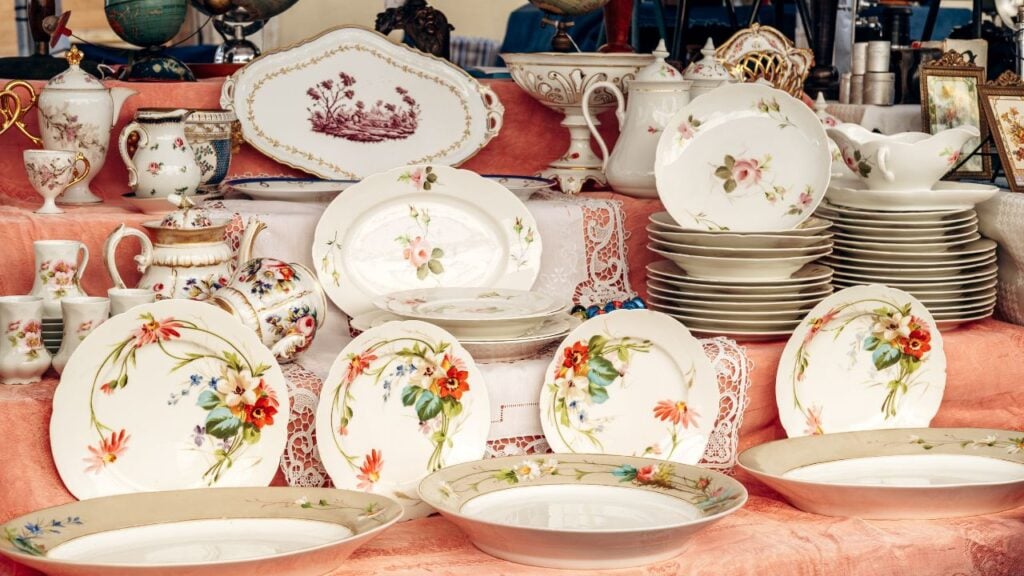
A man in Philadelphia once paid $4 for an old painting at a flea market in Adamstown, mostly because he liked the frame.
An original copy of the Declaration of Independence sat folded behind the canvas, and it later sold for millions.
8 Pennsylvania Estate Sale Rules Families Learn the Hard Way
