
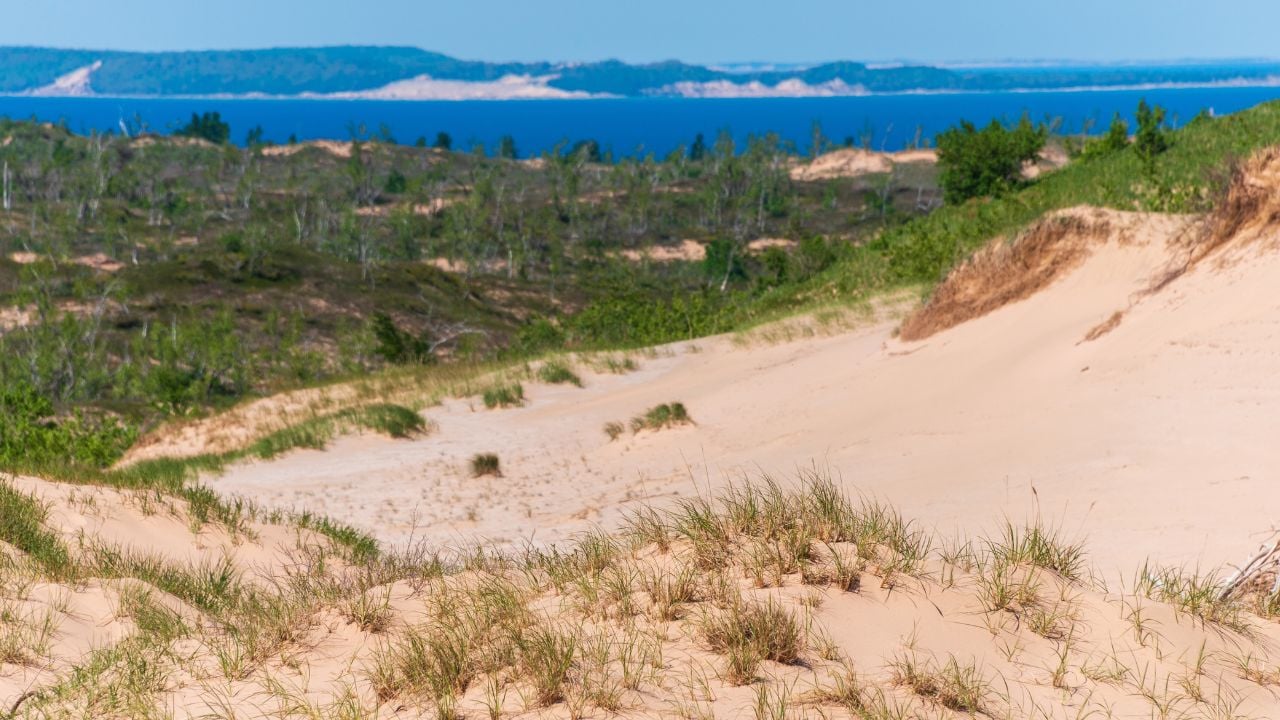
10 Ways One Side of Michigan Feels Like a Different State From the Other

The Keweenaw Peninsula logged 301.25 inches of snow in the 2024-25 season, according to the county road commission.
Detroit’s seasonal normal is 44 inches.
Michigan is home to both of those numbers, and the gap between them shows up in almost everything else about the two halves of the state.
These are the ways one side of Michigan feels like a different state from the other.
1. The Hour-Behind Part of the Map
Michigan runs on two different clocks at the same time, and that’s not a typo.
Five counties in the western Upper Peninsula, Gogebic, Ontonagon, Iron, Dickinson, and Menominee, sit on Central time.
A federal rule sets the line, not a road sign.
The rest of the U.P., along with the whole Lower Peninsula, keeps Eastern time.
The hour changes first.
Cross from Ironwood into Wisconsin, and the clock doesn’t move.
Drive east toward Marquette instead, and it jumps forward an hour.
A phone that updates itself automatically is the easiest way to know which hour a U.P. resident means.
Why Five Michigan Counties Run on Central Time
Michigan’s Central time counties didn’t end up that way by accident.
Gogebic, Ontonagon, Iron, Dickinson, and Menominee counties all border Wisconsin communities their residents work and shop in every day.
Staying on the same clock keeps schedules simple across the state line.
The U.S. Bureau of Economic Analysis notes that Menominee and its Wisconsin neighbor, Marinette, grew together into a manufacturing hub dating back to the 19th century.
A shared work schedule still matters on both sides of the river.
2. The Only Bridge Between the Halves
Michigan spent more than three decades getting from one half of the state to the other by boat.
State-run car ferries were the only way across the Straits of Mackinac from 1923 until the Mackinac Bridge opened on November 1, 1957.
Eight ships carried the traffic before that, one crossing at a time.
There was no other way.
The bridge finally connected U.P. residents to the rest of Michigan without depending on ice conditions or a boat schedule.
Some U.P. residents still treat a trip downstate as an event, not a routine errand.
3. Snow by the Foot on One Side
Michigan’s snowiest winters and its mildest winters happen in the same state, sometimes in the same week.
The Keweenaw Peninsula logged 301.25 inches of snow over the 2024-25 season, according to the Keweenaw County Road Commission.
February alone dropped 91 inches.
Detroit’s seasonal snowfall normal sits at 44 inches, according to the National Weather Service.
That’s roughly a seven-to-one gap between one end of the state and the other.
Lake-effect snow off Lake Superior drives those numbers, and the U.P.’s snow season runs well into spring.
4. Almost Nobody on One Side
Michigan divides unevenly when it comes to people, not just land.
The Upper Peninsula covers 29% of the state’s land area but holds only 3% of its population, according to the nonprofit newsroom Great Lakes Now.
Roughly six in ten U.P. residents cluster into just four counties: Marquette, Chippewa, Houghton, and Delta.
Wide open space is normal across the U.P.
But the population gap is what stands out.
A Lower Peninsula suburb can pack more people into a single zip code than an entire U.P. county holds within its borders.
5. The Mining Paycheck
Michigan’s Upper Peninsula still earns a meaningful share of its paycheck from the ground.
Mining’s share of Marquette County’s total economic output, its gross domestic product (GDP), has swung between 8% and 34% over the past two decades, according to the Minneapolis Federal Reserve.
The Cleveland-Cliffs Tilden Mine alone employs more than 900 people, 3% of the county’s entire workforce.
That’s one mine.
Downstate Michigan’s economy grew up around auto plants and suppliers instead.
6. Yoopers vs. Trolls
Michigan runs a nickname system for people on each side of an internal line.
U.P. residents call themselves Yoopers, and Merriam-Webster has added the word as a dictionary entry.
Yoopers call anyone from the Lower Peninsula a troll instead because Yooper slang treats them as living under the bridge.
It isn’t quite an insult.
Grand Valley State University linguist Kathryn Remlinger has studied the split as a genuine social and linguistic divide, not just a joke Michiganders tell each other.
Two nicknames for one state aren’t something many Americans grow up with.
7. A Different Sound
Michigan’s Upper Peninsula sounds different from the rest of the state before a Yooper says a single word about it.
Linguist Kathryn Remlinger traces the U.P. accent to generations of contact between English and Finnish, Scandinavian, French Canadian, Cornish, and Anishinaabemowin speakers who settled the mining region together.
Sauna comes out as “sow-na” in the U.P., rhyming with Bonanza instead of fauna.
You can hear the difference.
That’s a mining-town word too, borrowed straight from the Finnish settlers who built saunas into daily life.
Downstate Michigan speaks with the flatter vowels linguists tie to the broader Inland North region instead.
A Yooper reading a sentence aloud can sound nothing like a Detroiter reading the same one.
8. Pasties, a Meal Not a Souvenir
In Michigan’s Upper Peninsula, the pasty is an everyday meal, not a novelty.
Cornish miners brought the hand-held meat pie to the Keweenaw copper mines in the 1800s.
The National Park Service calls the pasty an iconic and defining food in the Copper Country today.
Local bakeries sell them by the case, the way other towns sell bread.
Debates over ketchup versus gravy on top run almost as deep as the region’s mining history.
Everyone picks a side.
Downstate delis and grocery stores stock pasties too.
But downstate, they’re mostly a specialty item shipped in for people who miss them.
9. Deeper Finnish Heritage on One Side
Finnish heritage runs deeper in Michigan’s Upper Peninsula than anywhere else in the state.
Finnish ancestry makes up close to 12% of the U.P.’s population, according to a 2010 Census breakdown from Northern Michigan University’s Beaumier U.P. Heritage Center.
Only German ancestry runs higher in the U.P.
Hancock’s Finlandia University, founded in 1896 as Suomi College by Finnish immigrants, closed for good after its final commencement in May 2023.
That’s more than a century of Finnish-founded higher education gone from the Keweenaw in one spring.
Nowhere else in Michigan carries that same concentration of Finnish-American history in daily life.
Psst! How Yooper are you? Run through this checklist and see where you land.
10. The U.P.’s Statehood Attempt
Decades ago, Michigan’s Upper Peninsula came close to breaking away and forming a separate state.
In 1975, voters in Marquette and Iron Mountain faced an actual ballot question asking whether the U.P. should break away and form a new state called Superior.
Roughly a third of voters in both cities said yes, according to Bridge Michigan’s reporting on the campaign.
Not everyone agreed.
It wasn’t a landslide, but it wasn’t nothing either.
State Rep. Dominic Jacobetti kept the statehood talk alive through the 1970s with campaign t-shirts and posters.
He reportedly knew Superior would never become the 51st state, but the attention it drew helped pull infrastructure money into the region.
Jacobetti went further than campaign merchandise, asking then-Attorney General Frank Kelley for a formal legal opinion on whether the U.P. could break away.
He went on to serve longer than any other member of the Michigan Legislature, steering funding to the U.P. until his death in 1994.
9 Michigan Lake Access Rules Property Owners Get Wrong
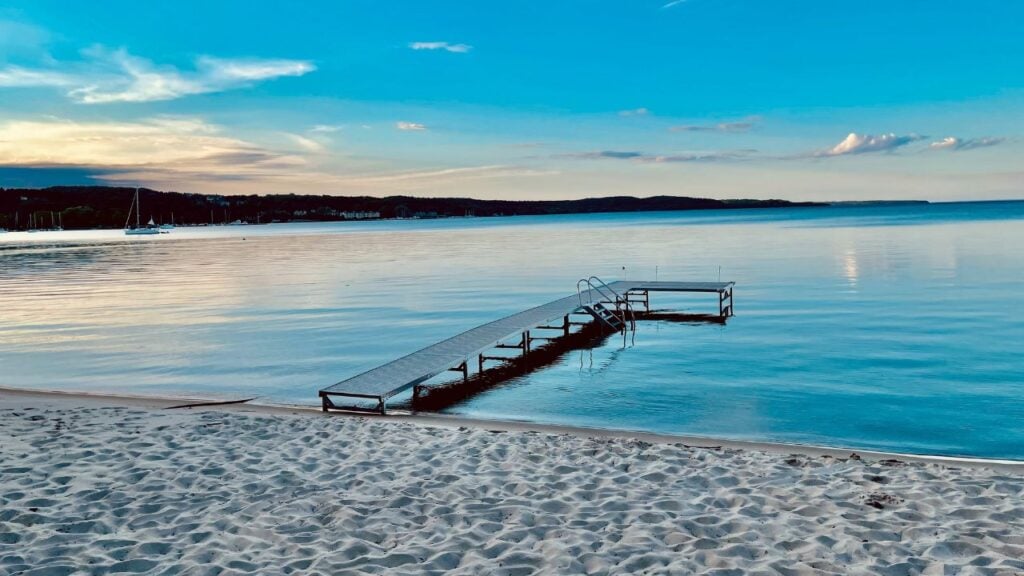
Michigan’s Great Lakes shoreline runs 3,288 miles, more than almost anywhere else in the country, and owning a piece of it comes loaded with fine print.
These are the lake access rules that catch Michigan property owners off guard, from where the water’s edge legally starts to who owns the beach.
9 Michigan Lake Access Rules Property Owners Get Wrong
8 Michigan Jury Duty Rules Residents Get Wrong
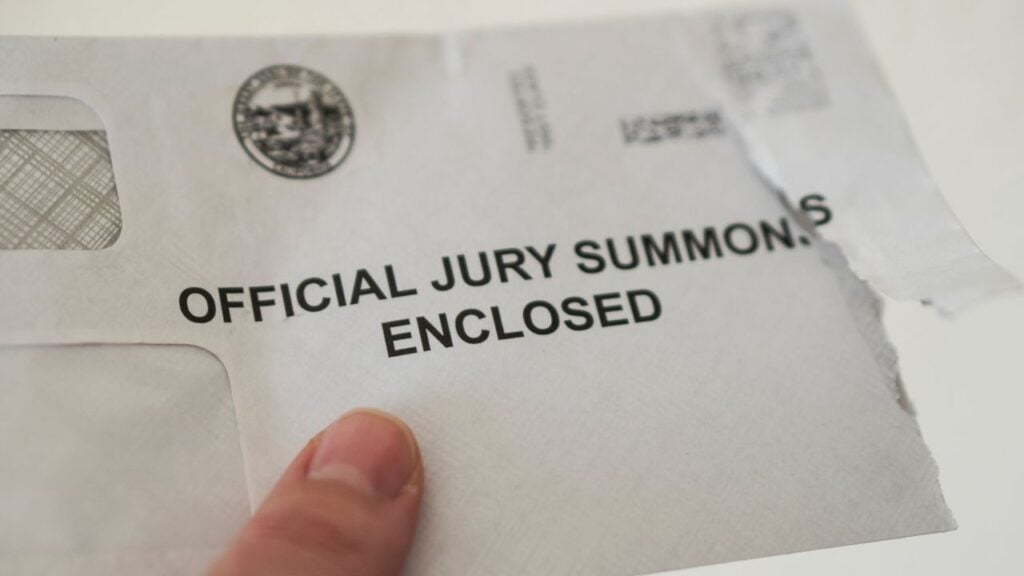
Michigan pays some jurors as little as $25 for a day of service, nowhere close to a full day’s wage.
These are the jury duty rules that catch Michigan residents off guard, long before anyone gets near a courtroom.
