
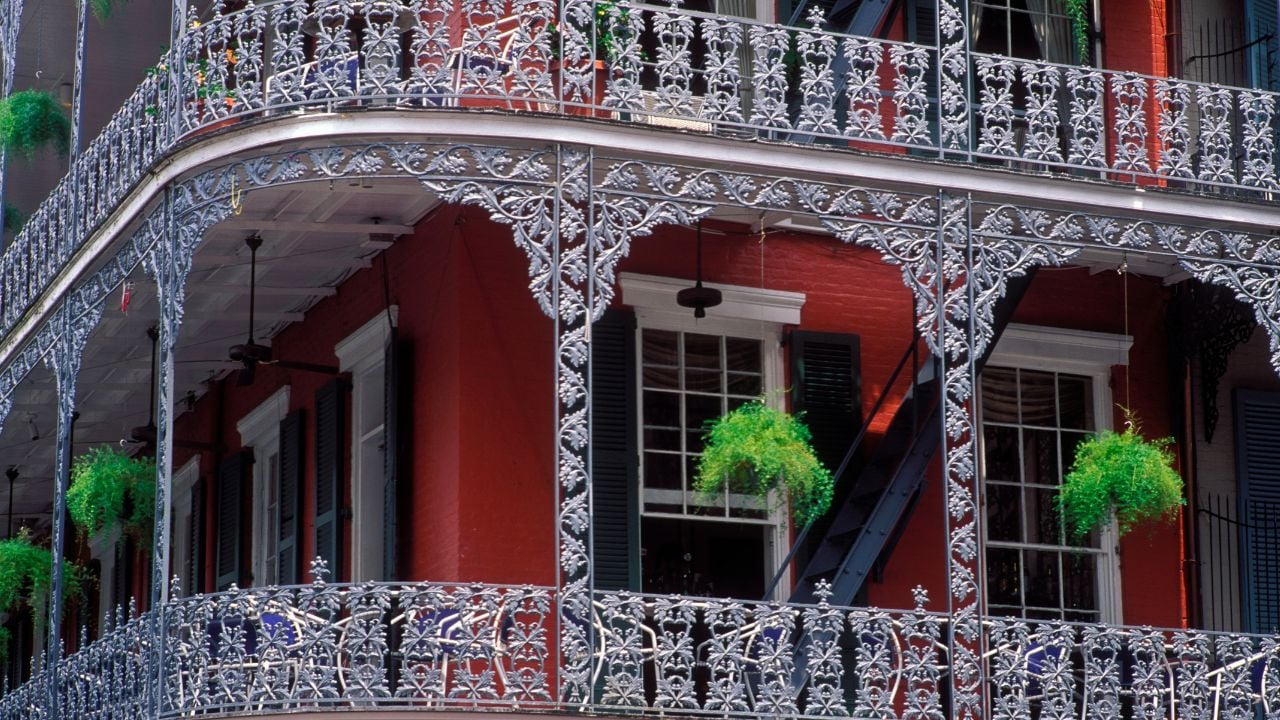
9 Louisiana Place Names That Trip Up Every Tourist Who Tries to Say Them

Louisiana’s road signs carry French and Native American names side by side.
Almost none of them are pronounced the way they’re spelled, from the average American’s perspective.
These are the Louisiana place names that trip up every tourist who tries to say them.
Natchitoches
Natchitoches sits in Cane River country in northwest Louisiana, and the spelling has been fooling outsiders for a long time.
A tour guide there finally set the record straight for a national radio audience after a host butchered it on the air.
Skip the spelling entirely.
Natchitoches comes out as NAK-uh-tish, with the stress landing hard on that first syllable.
The city took its name from the Natchitoches people, a Caddo-affiliated tribe that lived along the river long before French traders arrived.
Visitors who study the sign first almost always get it wrong.
Tchoupitoulas Street
Tchoupitoulas Street runs along the Mississippi River through some of New Orleans’s oldest warehouse blocks.
The name traces back to a Native American word that Louisiana French picked up long before English arrived, and the thirteen letters scare off almost anyone reading it cold.
A local magazine that walks visitors through the city’s toughest street names breaks it down as chop-uh-TOO-lus.
The local move, that same guide notes, is shortening the whole thing to just “Chop.”
Locals do it without thinking.
The same feature mentions that some lifelong residents still dodge saying certain street names out loud, so a tourist stumbling on Tchoupitoulas is in good company.
Chartres Street
Chartres Street cuts straight through the French Quarter, past Jackson Square and some of the city’s oldest buildings.
Visitors who know the French cathedral city it’s named for reach instinctively for the French version, something close to “shart.”
New Orleans dropped that pronunciation generations ago.
It’s nothing alike.
Locals go with “CHAR-ters” instead, flat and American.
One New Orleans street-name guide recalls a French visitor who called in for directions and gave every street its proper French pronunciation, Chartres included.
The local on the other end stayed stumped until the visitor tried the name in a flat American accent instead.
Say it like a cowboy, not like a tourist fresh off a flight from Paris.
Metairie
Metairie sits just west of New Orleans, and it’s home to more people than the city it borders.
Read the word cold, and “meh-TAIR-ee” seems like a safe bet.
That’s the wrong bet.
The same New Orleans street-name guide gives it as “MET-uh-ree,” and many people who live there shorten it further, to just “Metry.”
Ask for directions to Metairie the textbook way, and a local will still know exactly what a visitor means.
But the local will clock the accent instantly.
Thibodaux
Thibodaux anchors Lafourche Parish along the bayou south of Baton Rouge, and it looks like a word with no clean way to say it.
The French spelling keeps that silent “x” hanging off the end, exactly the kind of letter that trips up anyone sounding it out cold.
Drop it entirely.
Thibodaux comes out as “TIB-uh-doe,” the same simple sound New Orleans’s street-name guide gives for Thibodeaux Street across town.
Once a visitor hears it out loud, the spelling stops mattering.
Calcasieu Parish
Calcasieu Parish covers Lake Charles and the rest of southwest Louisiana, and its ten letters read nothing like the way locals say them.
Sound it out slowly.
Calcasieu comes out as “cal-ca-shoo,” the exact pronunciation the parish government spells out on its history page for visitors who ask.
The name traces back to the Atakapa people.
“Calcasieu” means “crying eagle,” the nickname of a chief said to have let out an eagle-like cry as he went into battle.
The river that carries his name gave the parish its name in turn.
Why Louisiana Names Break the Rules
Louisiana stacked three languages onto its map before English ever got a turn at it.
Native American nations named the rivers and settlements first.
French colonists wrote those sounds down using French spelling rules.
Spanish administrators added another layer during four decades of running the colony.
English speakers arrived last and inherited spellings built for two other languages, which is why sounding a Louisiana place name out letter by letter almost never works.
Houma
Houma anchors Terrebonne Parish, deep in Louisiana’s bayou country south of New Orleans.
First-time visitors read the four letters and reach for “HOO-ma,” the way the word looks like it should sound.
It’s close, but not quite.
Houma comes out as “HOH-muh” instead, the standard pronunciation used across the region regardless of how the four letters look on paper.
The name is borrowed straight from the Houma people who settled the region, whose word means “red”.
The tribe’s word likely pointed to the sun, or possibly to the crawfish they carried as a war emblem.
Opelousas
Opelousas, the seat of St. Landry Parish in the heart of Acadiana, carries a four-syllable spelling that looks like a mouthful before a visitor even tries.
It isn’t.
Louisiana broadcasters built an entire segment around words like this one.
The segment lands on something close to “oh-puh-LOO-sus,” a name that flattens out fast once it leaves a visitor’s mouth instead of sitting on the page.
The city’s name comes from the Opelousa people, a tribe that once called the prairie home, long before it became a byword for a tricky read.
Psst! How much do you know about Louisiana’s place names? Take our quiz and see if you can ace it.
Quiz
Louisiana Name IQ
Answer these questions on Louisiana place names and where they came from. We bet you can’t get them all right. Prove us wrong?
Baton Rouge translates from French into what English phrase?
Atchafalaya
Atchafalaya names the massive river and swamp basin that stretches between Baton Rouge and Lafayette, one of the largest wetlands of its kind in the country.
The run of vowels on the page looks unreadable to many first-timers.
It settles into a clean rhythm once broken apart: "uh-CHAF-uh-lie-uh," four beats instead of one tangled word.
It clicks fast.
Locals lean on that rhythm to teach it to newcomers.
The word itself comes from a Native American phrase local reporters translate as "long river."
That's a fitting name for a basin where the cypress trees close in overhead and a paddler can lose their bearings fast.
Get the rhythm down, and the swamp's name stops being the hardest part of the trip.
8 Things Brookshire's Deli Workers Wish Louisiana Shoppers Knew
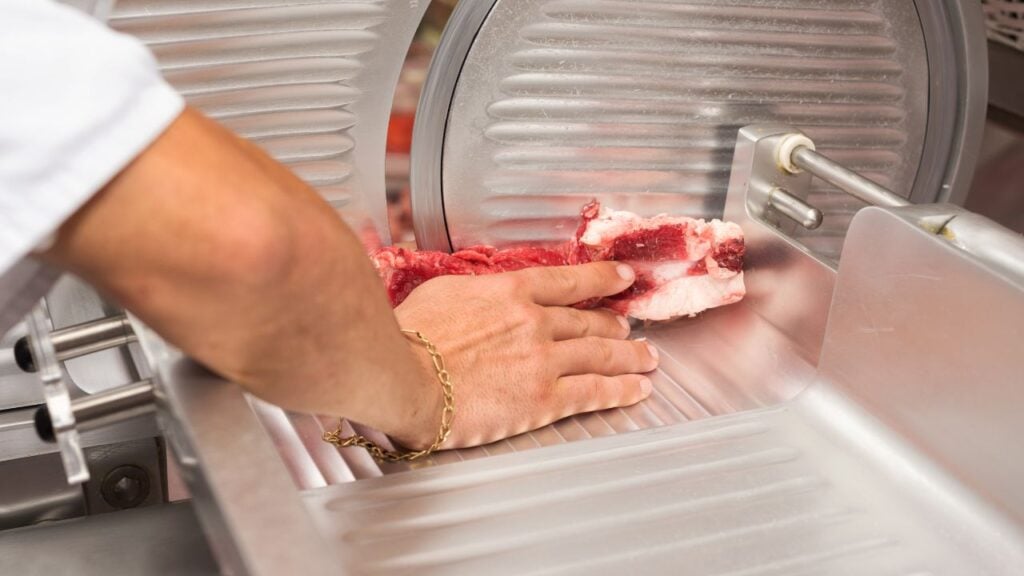
Brookshire's deli counter runs on habits many regulars never think to question, like taking the case's default cut instead of asking for something different.
The workers behind that counter have a running list of shortcuts and deals they wish more shoppers used.
8 Things Brookshire's Deli Workers Wish Louisiana Shoppers Knew
