
9 Everyday Rules That Only Make Sense to New Jerseyans

Oregon repealed its self-service gas ban in 2023, which left New Jersey as the only state in the country with a full one still standing.
The rule has been on the books since 1949.
That may seem strange to most Americans, but it doesn’t look strange from inside the state line.
These are the everyday rules that only make sense to New Jerseyans.
Note: This is general information, not legal or tax advice. State and local rules cited above are subject to change.
1. Jughandle Turn
Solving a left turn in New Jersey starts with sending drivers right first.
The move is called a jughandle, a ramp that peels off the right shoulder and loops a driver around to cross the road they just passed.
New Jersey has used the design since the late 1930s and ’40s.
Today the state has more than 600 jughandles, more than any other state, according to its transportation department.
New Jerseyans know the drill before they even reach the intersection.
They drift right, loop around, and merge back onto the road facing the direction they wanted all along.
The habit sticks.
A driver from out of state circles the intersection twice, hunting for a left-turn lane that was never going to appear.
2. Losing the Right to Pump Gas
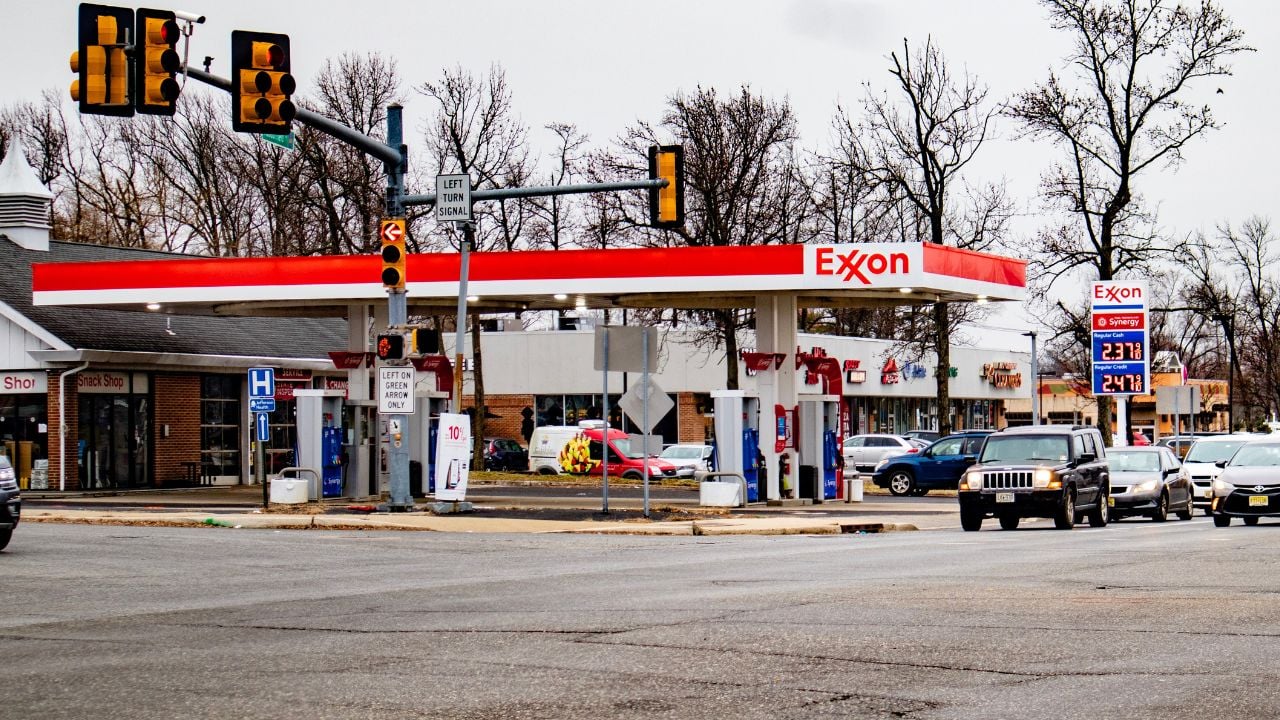
A driver crossing into New Jersey loses the right to pump gas the moment they cross the state line.
State law (N.J.S.A. 34:3A-4 et seq.) puts the job on a paid attendant instead, a rule on the books since 1949.
That rule only got more unusual after Oregon repealed its version of the same ban in 2023, leaving New Jersey as the only state with a full ban left standing.
New Jerseyans roll down the window, name a pump number and a dollar amount, and wait.
That’s it.
An attendant who’s handled that nozzle a thousand times fills the tank.
The driver never touches it.
A transplant who tries pumping gas out of habit in another state will stand at the pump for a full minute before remembering they’re finally allowed to.
Station owners who let a customer pump gas risk a fine up to $500 for a repeat violation.
3. Pork Roll or Taylor Ham, No Hesitation
At a deli counter anywhere in New Jersey, a customer orders breakfast meat by a name that depends entirely on which region raised them.
A Rutgers poll found 59% of North Jersey residents call it Taylor ham, while 65% of South Jersey residents call the same product pork roll.
Central Jersey leans toward pork roll too, but by a smaller margin.
New Jerseyans don’t pause to pick a word.
They order by whichever name their region taught them, the instant they reach the counter.
No hesitation at all.
Say the wrong name at a deli counter on the wrong side of the state, and whoever’s behind it will let you know.
An outsider ordering breakfast has no safe choice, since neither name works consistently past the county line that divides them.
Everybody agrees it belongs on a hard roll with egg and cheese.
4. Home as an Exit Number
New Jerseyans often introduce themselves with a number instead of a town.
Someone asks where you’re from, and the honest answer is “Exit 7A” or “Exit 163.”
Those numbers refer to interchanges on the New Jersey Turnpike or the Garden State Parkway.
Locals decode that number instantly, placing a stranger’s hometown before the stranger has said another word.
It works.
Outsiders hear a number and assume it’s a joke, right up until they realize nobody’s laughing.
The system gets messier every time an interchange gets renumbered.
That’s already forced longtime residents to relearn a number they’d used for years.
5. Paying to Hit the Sand
Bradley Beach became the first New Jersey shore town to charge for beach access, back in 1929.
The idea caught on up and down the coast.
Local ordinances now turn a day at the beach into a paid ticket instead of free sand in dozens of Jersey Shore towns.
A state law lets any municipality collect the fee.
New Jerseyans budget for it every June, buying a badge before they ever unfold a chair.
It’s routine.
A first-time visitor walks toward the water assuming public sand is free everywhere.
A checker stops them at the entrance and asks to see a tag pinned to a swimsuit.
Which Jersey Shore Towns Charge?
Not every New Jersey beach town charges for a badge.
Atlantic City, the Wildwoods, and Strathmere let anyone walk onto the sand for free.
Ocean City, Avalon, and Stone Harbor charge a seasonal badge that can run past $30.
Check a town’s badge rules before packing the car, since a free beach and a paid one often sit only a few miles apart.
6. Diners Open All Hours
Ordering breakfast at midnight doesn’t turn heads in a New Jersey diner.
It’s just another order.
New Jerseyans treat a diner as the answer to where to eat at any hour, whether that means disco fries after a night out or a full breakfast at dinnertime.
The state has roughly 450 diners, more per person than any other state, according to National Public Radio (NPR) reporting on the industry.
Few New Jerseyans find that strange.
A visitor used to ordinary restaurant hours walks in at 2 a.m. expecting an exception, and finds a packed counter instead.
7. The Bring-Your-Own-Bottle Default
Many New Jersey restaurants don’t have a liquor license, which means no bar and no wine list.
State law blocks a town from issuing new liquor licenses once it already has one for every 3,000 residents.
That scarcity is why many of those restaurants let customers bring their own wine or beer instead, under a state law that leaves the final call to each town.
That’s the norm.
New Jerseyans call it bring your own bottle, or BYOB, and never think twice about packing one.
A visitor asks for a wine list at a nice restaurant.
The server points them to the liquor store down the block instead.
Psst! How much do you know about New Jersey’s other everyday rules? Flip these cards and see how many you get right.
8. No Shopping in Bergen on Sundays
Stores across New Jersey’s Bergen County still can’t open for retail sales on Sundays.
A county-wide ordinance blocks Sunday sales of clothing, furniture, and appliances.
The restriction dates to 1704.
Bergen County voters chose to keep it by a 2-to-1 margin as recently as 1993.
Restaurants, grocery stores, and movie theaters stay open as usual.
New Jerseyans who live near Bergen County plan mall trips around it automatically, saving the clothing run for Saturday.
That’s just Sunday.
A visitor pulls into a packed Paramus mall parking lot on a Sunday afternoon and finds half the storefronts dark.
Only the food court and the movie theater are doing business.
9. Your Town, Not Your County
A New Jerseyan asked what town they’re from always names it exactly, never vaguely pointing toward a region.
They can usually place a stranger’s town just as fast, the moment they hear its name.
They just know.
The math explains why: The state squeezes 564 towns and, according to the Census Bureau, more than 9.5 million residents into one of the smallest footprints in the country.
That density also makes New Jersey the most densely populated state in the nation, according to the same count.
Two towns can sit three minutes apart by car and run entirely different school districts, tax rates, and police departments.
An outsider driving through five towns in fifteen minutes can’t tell where one ends and the next begins.
A native rattles off each town’s name without slowing down, the same way they’d rattle off a street address.
9 New Jersey Foods That Horrify the Rest of the Country
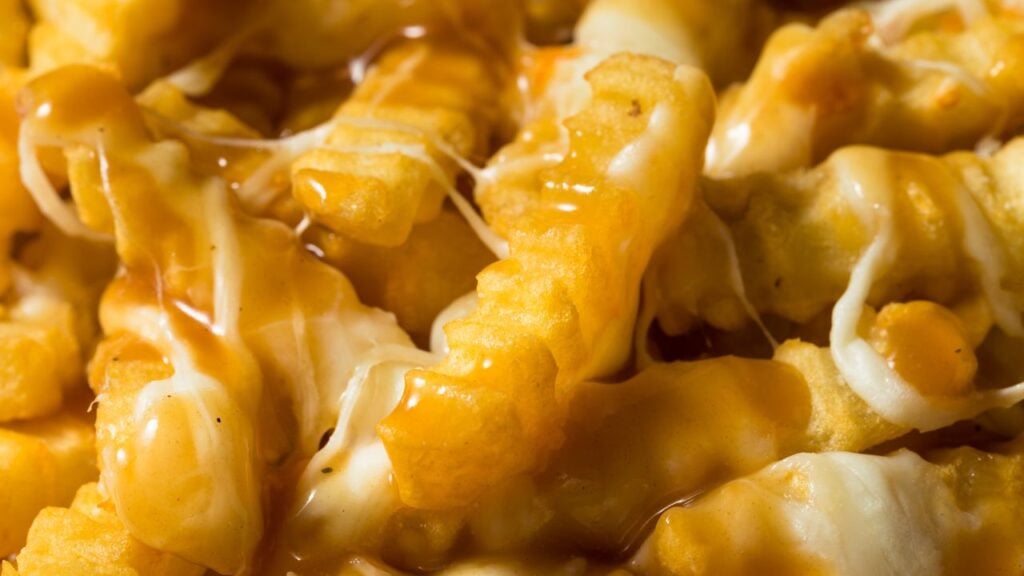
A New Jersey cook cramming a fried hot dog, fried potatoes, peppers, and onions into a torn round of pizza bread isn’t a strange one-off order.
It’s lunch in Newark, and New Jersey has eight more dishes just as likely to stop an outsider mid-bite.
9 New Jersey Foods That Horrify the Rest of the Country
4 Lidl Checkout Mistakes That Cost New Jersey Shoppers Every Week
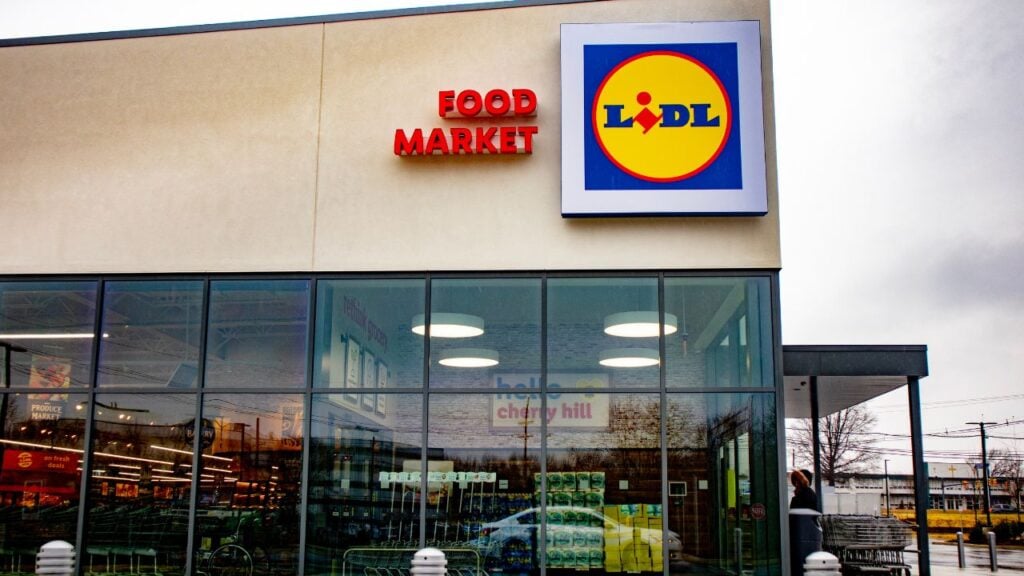
Lidl fills roughly 80% of its shelves with private-label products, which is exactly how it keeps prices low.
Even so, no discount grocer gets every register interaction right, and a few checkout habits cost regular New Jersey shoppers extra every week.
4 Lidl Checkout Mistakes That Cost New Jersey Shoppers Every Week
