
6 Things Vermonters Do During the Fall That Tourists Never See

A Salvation Farms study estimated Vermont farms left roughly 14 million pounds of edible food unharvested or unsold in a single year.
Some of it gets picked anyway, by people who don’t own the field.
Nobody advertises where that food goes, and the leaf routes run right past all of it.
These are the things Vermonters do during the fall that tourists never see.
1. Closing Camp Before the Ice
Vermont camp owners spend a chunk of fall on the least scenic chore of the year: winterizing.
Each October, Vermont’s Department of Environmental Conservation (DEC) asks shoreland residents to prepare their camps for freezing temperatures.
Owners either pull their docks out of the water or let them freeze in place before ice sets in.
DEC discourages bubblers and aerators too, the devices some owners run near a dock to keep ice from forming.
Those open patches of water turn dangerous for ice skaters and ice fishers once winter arrives, and they can disrupt the fish and wildlife that depend on solid ice cover.
It isn’t glamorous.
A camp owner on Lake Bomoseen or Lake Dunmore spends a Saturday blowing water out of pipes and dragging a dock up onto the grass.
A tourist stopped two miles away for a covered bridge photo never sees any of it.
2. Slipping Into the Woods for Bow Season
Vermont’s bow hunters are already in the woods by the time the leaf peepers hit their stride.
The state’s expanded archery season opens September 15 in designated areas, and the regular archery deer season runs October 1 through December 15.
Between the two seasons, archery hunters get about 13 weeks in the Vermont woods, more than five times as long as the state’s 16-day rifle season in November.
Hunters in camouflage sit in tree stands during the exact weeks a rental car is idling at a scenic overlook a few miles away.
That’s by design.
A bow hunter’s whole strategy depends on staying still and unseen, so the two groups share the same stretch of woods without ever crossing paths.
Vermont Recommends Blaze Orange, But Doesn’t Require It
Vermont doesn’t require hunters to wear blaze orange, but the state’s Fish & Wildlife department urges every hunter to wear a fluorescent orange hat and vest anyway.
Deer are most active at dawn and dusk, exactly when visibility is lowest for a hunter trying to spot another person in the woods.
One of Vermont’s oldest hiking clubs recommends hikers wear blaze orange during hunting season too.
A hiker’s dog benefits from an orange vest as well.
Hikers should also skip white or brown clothing, since both colors blend into a deer’s coat and can make a person harder for a hunter to spot quickly.
3. Gleaning What’s Left in the Fields
Vermont farms lose a share of every harvest to bruises, odd shapes, and a market that only wants flawless produce.
A 2016 statewide study by the nonprofit Salvation Farms estimated that Vermont farms left roughly 14 million pounds of edible food unharvested or unsold that year.
Gleaners head into those same fields each fall to collect what’s left, produce farmers call “seconds,” still safe to eat but not flawless enough for a grocery shelf.
The Vermont Gleaning Collective, coordinated through Salvation Farms in Morrisville, connects volunteer gleaning groups statewide with farms willing to let them pick.
Willing Hands in Norwich alone moves roughly a million pounds of food a year to about 80 food pantries and shelters across Vermont and New Hampshire.
Gleaners work orchards and vegetable fields after the paying customers are gone, usually early on a weekday morning.
4. Buying a Ticket to the Game Supper
Vermont fire departments and Grange halls run on more than car washes and raffles come fall.
State law lets a church, volunteer fire department, or nonprofit hold a wild-game supper if the group gets a permit from a state game warden at least 10 days ahead.
Venison, bear, and whatever else local hunters donated ends up on the plate, sold legally under that permit.
Tinmouth’s volunteer fire department has held its supper for more than 50 years, drawing several hundred people to the town’s community center on a Saturday each November.
Pawlet and West Windsor run similar suppers the same season.
Locals already know.
A stranger would need a local’s word just to know the supper is happening.
Tickets move by word of mouth, a flyer at the general store, and whoever the fire department calls first.
5. Hunting for Mushrooms Instead of Deer
Vermont’s fall woods hide something many archery hunters never notice: mushrooms.
Hen of the woods, also called maitake, fruits at the base of oak trees each autumn, and foragers who know a good tree return to it year after year.
Black trumpets and late-season chanterelles turn up around the same weeks, tucked under beech leaves easy to miss from a hiking trail.
Vermont foragers follow one unwritten rule above the rest: You don’t ask where somebody else hunts.
Nobody brags about it.
Word travels fast, and other foragers empty out a popular patch within days.
Serious foragers keep their best spots to themselves the way an angler guards a favorite fishing hole.
Take half a patch and leave the rest, the informal ethic goes, so it grows back thicker the following fall.
A hiker on the marked loop for the foliage has no reason to look twice at someone crouched under a beech tree fifty feet off the path.
Psst! How much do you know about Vermont’s fall? Take our quiz and see how many you can get right.
Quiz
Vermont Fall Trivia
Answer these questions on Vermont’s foliage, maple syrup, and mountain history. We bet you can’t get them all right. Prove us wrong?
What’s happening inside a maple leaf when it turns orange in the fall?
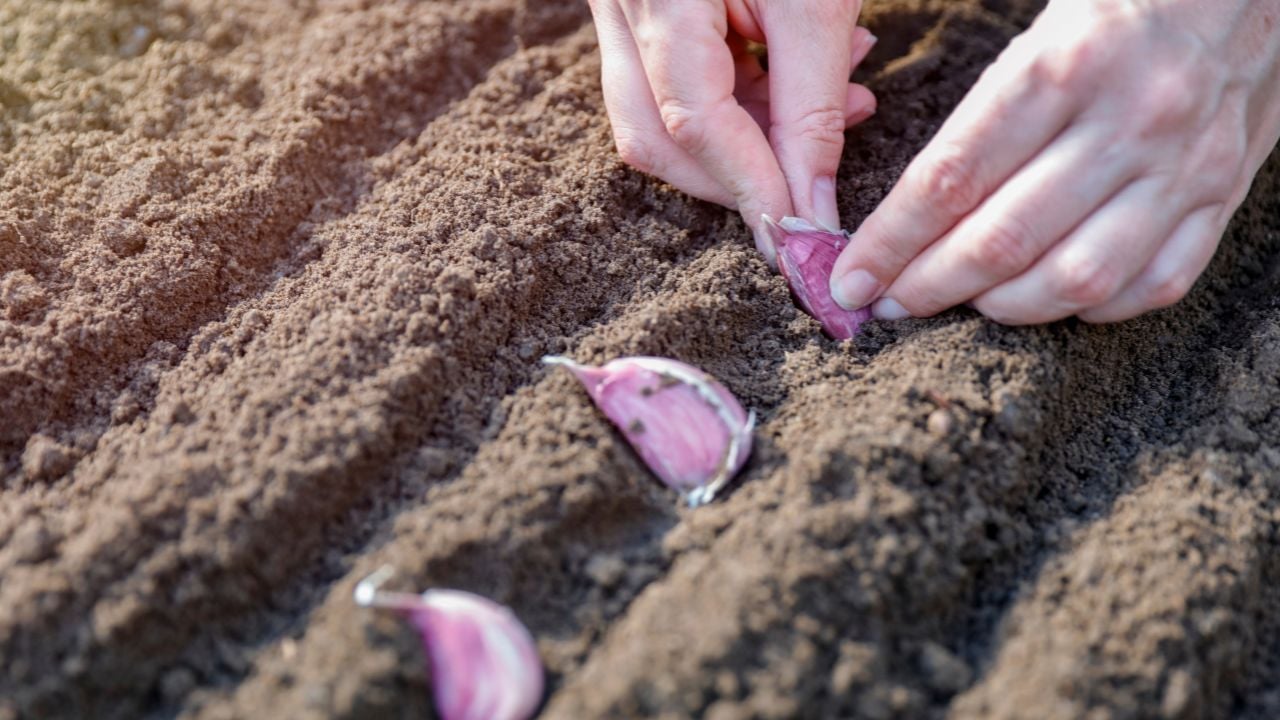
6. Putting the Garlic In
Vermont gardeners plant garlic while everybody else is winding the garden down for the year.
This work happens in home garden beds tucked behind the house, not at a farm stand or a pick-your-own orchard a tourist might visit.
Cloves go into the ground from late September through mid-October, per University of Vermont Extension guidance.
That timing gives the roots enough time to establish before the ground freezes, but it's too late to send up much top growth.
Each clove goes in point up, three inches deep, under a thick layer of straw mulch to keep it from heaving out of the ground over winter.
Hardneck varieties, the kind that survive a Vermont winter best, throw a curled flower stalk called a scape the following early summer, long after this fall's planting is forgotten.
It looks like nothing happened.
Underneath a garden bed that looks empty all winter, the garlic's roots are doing their slowest work of the year.
The first green shoots won't show until the snow starts to pull back in spring.
Vermont gardeners save the biggest cloves from this year's harvest to replant.
A bed planted today can trace its garlic back a decade or more without a single trip to a store.
9 Vermont Foods and Drinks That Make Visitors Regret Asking What's in Them

Vermont passed a law in 1999 about what belongs next to a slice of apple pie, and it has nothing to do with crust.
These are the Vermont foods and drinks that leave a visitor sorry they asked what's in them.
9 Vermont Foods and Drinks That Make Visitors Regret Asking What's in Them
20 Sayings Your Grandma Used That Still Make Surprisingly Good Sense for Vermonters

Vermont grandmas know how to make a point without lecturing, using sayings that are colorful, simple, and easy to remember.
Many of those old-time phrases turn out to be practical advice for modern life.
20 Sayings Your Grandma Used That Still Make Surprisingly Good Sense for Vermonters
