
10 Minnesota State Fair Foods With Histories Stranger Than Their Ingredients

Sweet Martha’s out-earned every other food vendor at the Minnesota State Fair in 2024, pulling in close to $4.9 million over twelve days.
The Olsons had applied to sell frozen yogurt.
Fair officials offered them a cookie booth three weeks before opening day instead.
These are the Minnesota State Fair foods with histories stranger than their ingredients.
1. Pronto Pups’ Oregon Origins
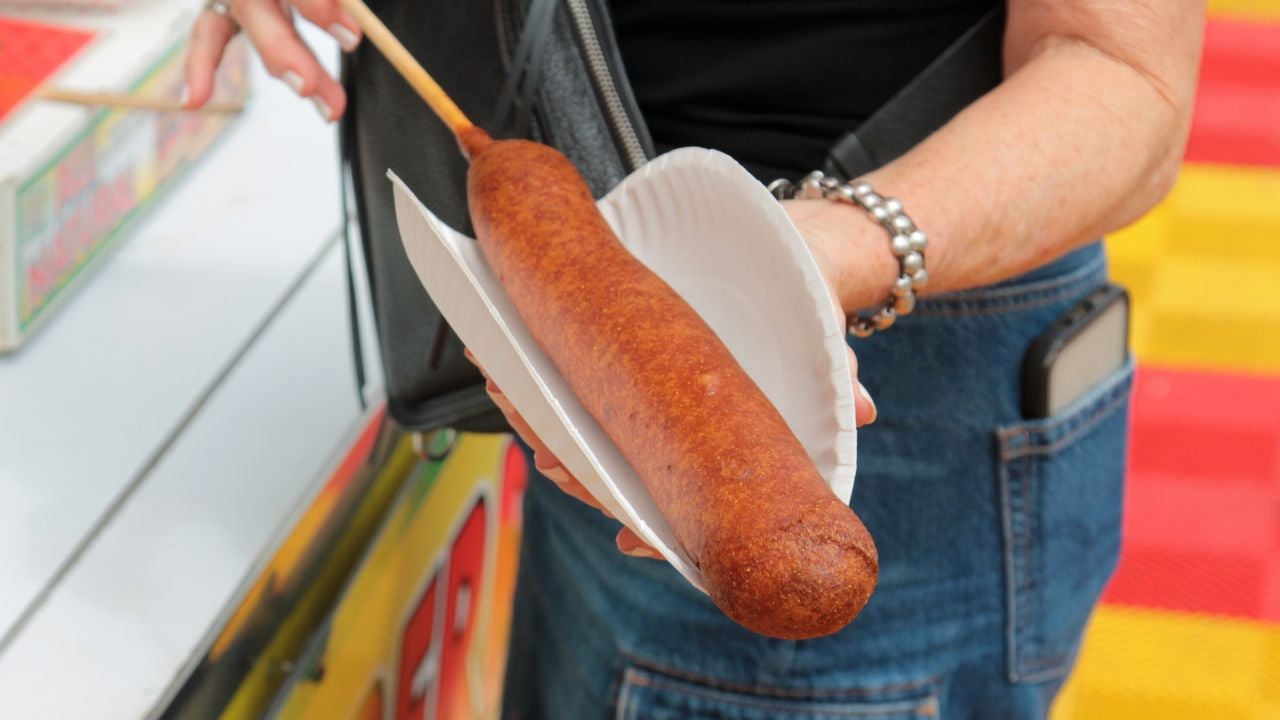
The Minnesota State Fair has sold Pronto Pups since 1947, and the corn-battered hot dog has been its signature food ever since.
It didn’t start in Minnesota.
A husband-and-wife team built the first batter-dipped hot dog stand on Oregon’s coast in the early 1940s.
A Chicago franchise carried their recipe east, and a Twin Cities businessman named William Brede followed the crowds outside it before licensing Pronto Pups for the fairgrounds in 1947.
Minnesota only perfected the batter.
2. Spam’s Mystery Name
The Minnesota State Fair’s Spam Curds fry at a Hormel-run booth, cubes of Spam battered and dropped into the same oil as the cheese curds.
The meat inside them dates to 1937, when the Hormel company in Austin needed a way to sell off a surplus of pork shoulder.
Hormel ran a contest to name the new product and paid $100 to the winner, Kenneth Daigneau.
His brother was a Hormel vice president.
Nearly ninety years later, Hormel still won’t confirm what the four letters stand for.
The Leading Guesses Behind Spam’s Fair-Famous Name
Spam’s maker has never settled on an official meaning for the name behind the Minnesota State Fair’s favorite mystery meat.
The most common guess is Spiced Ham, a simple nod to the two main ingredients.
Others read it as Shoulder of Pork And Ham.
A third guess spells out Spiced Ham, Austin, Minnesota, naming the town where Hormel still makes it.
Hormel has let all three guesses stand for close to ninety years without picking a winner.
3. Sweet Martha’s Yogurt That Never Was
Sweet Martha’s Cookies is the Minnesota State Fair’s largest food vendor.
It almost never got the chance to sell a single cookie.
Martha Rossini Olson and her husband ran a frozen yogurt shop in Minneapolis and applied to sell yogurt at the fair in 1979.
The fair turned them down.
Three weeks before opening day, fair officials offered them a cookie booth instead.
They didn’t own a cookie recipe.
So they combined their mothers’ recipes and hoped for the best.
Sweet Martha’s now bakes up to three million cookies on its busiest fair days.
4. Tom Thumb’s Early Mini Donuts
Tom Thumb Mini Donuts got its start on the Minnesota State Fair’s fairgrounds, a rare case of a fair food that didn’t travel in from somewhere else.
Vendors introduced the tiny fried dough at the fair in 1949, among the first mini-donut stands anywhere in the country.
The idea spread everywhere.
Convenience stores across the country now sell some version of the same fried dough Minnesota fairgoers were already eating by the bagful.
Fairgoers still eat roughly 75,000 dozen of them every year, and that number doesn’t count the mini donuts sold by other stands nearby.
5. The Candy Bar Batter Rumor
The Minnesota State Fair didn’t invent the deep-fried candy bar, but it made the dish famous nationwide.
A Scottish chip shop started frying Mars bars sometime in the 1990s, mostly as a novelty nobody expected to catch on.
Fair vendor Jeff Beaver heard about it secondhand from a friend who’d tried a fried candy bar at a Midwest stand in 2000.
He never tasted the original.
Beaver built his batter from his father’s funnel cake recipe and debuted deep-fried Snickers, Three Musketeers, and Milky Way bars at the fair in 2001.
By the time Beaver arrived at his booth at 7 a.m. on opening day, a line fifty people deep was already waiting.
6. Mouth Trap’s Wisconsin Curds
Mouth Trap Cheese Curds keeps a line moving inside the Minnesota State Fair’s Food Building, and its cheese never touches Minnesota soil before it’s fried.
Owner Dave Cavallaro has run the booth for more than two decades.
He keeps the menu short.
Fresh curds arrive overnight from a creamery in Ellsworth, Wisconsin, and staff hand-batter them minutes before they hit the fryer.
The stand fries through 75,000 pounds of that Wisconsin cheese and more than 700 gallons of ketchup over the fair’s twelve days.
7. The Milk Sales Pitch
The Minnesota State Fair has poured all-you-can-drink milk since 1955.
A group of dairy farmers built the stand as a way to promote the state’s dairy industry, pouring glasses from five-gallon cans on Machinery Hill for a dime apiece.
Seven decades later, the booth pours from 300-gallon totes instead of cans and still sells nearly 13,000 gallons a fair.
It added a chocolate option in 2004.
The marketing pitch ended decades ago, but the milk stand never closed.
8. Que Viet’s Seven-Year Wait
Que Viet spent seven years trying to get a booth at the Minnesota State Fair before the fair finally said yes.
The family behind it opened Minnesota’s second Vietnamese restaurant in 1980, after the mother, My Le, took a leap of faith on a business idea her husband brought home.
The fair kept saying no.
Que Viet worked county fairs and festivals every summer in between, and the state fair finally accepted the family’s application in 2017.
Its giant egg roll on a stick sold more than 50,000 times across last year’s twelve days.
9. Fresh French Fries’ Maryland Roots
Fresh French Fries has fried potatoes at the Minnesota State Fair since 1973, using an idea its founder picked up two thousand miles from Minnesota.
Dan Wozniak was a college student in Washington, D.C., and he took a trip to Ocean City, Maryland, with his brother.
The boardwalk changed everything.
On a cold, misty night there, Wozniak tried the fries at a beachfront stand.
He brought the idea home and opened a fry stand at the fair that same year, according to Collective MN Magazine.
Gourmet Magazine once named it one of the best french fries in the country, according to the company’s history page.
10. The Church Ladies’ Oldest Stand
The Minnesota State Fair’s oldest running food stand isn’t run by a chef at all.
Its signature ham loaf comes from a recipe the same church group has served since the stand’s first summer.
Hamline Church’s Ladies Aid Society opened the stand at the fair in 1897 to raise money for a new building.
It’s still a church group.
That first fair, they raised $373.97.
The dining hall has stayed open through two world wars and the Great Depression, sticking to church-supper cooking the whole way.
It closed only once, in 2020, when the entire fair shut down for COVID-19.
The stand still serves that same ham loaf today.
Psst! How much do you know about the Minnesota State Fair’s wilder history? Take our quiz and see how many you can get right.
Quiz
Minnesota Fair History IQ
Answer these questions on Minnesota State Fair records, firsts, and oddities. We bet you can’t get them all right. Prove us wrong?
Minnesota’s first-ever airplane flight took place at a very familiar spot. Where?
The Texas Corn Dog Dispute
The Minnesota State Fair isn't the only fair that claims to have started the corn dog.
Fletcher's Corny Dogs debuted at the State Fair of Texas in 1942, right around the same years Oregon's Pronto Pup stand was taking its first orders.
Neither side backs down.
Texans still spell theirs "corny dog," never "corn dog," and treat the distinction as a point of pride.
The Fletcher family has run their Texas booth every year since 1942, and the batter recipe settled into its current form by the mid-1950s, according to the company's history.
Fletcher's now sells more than 500,000 corny dogs across the fair's run every year, according to CBS Texas.
11 Things Minnesotans Say That Baffle Everyone Else
Minnesotans didn't pick up their accent from the movie Fargo.
Fargo's writers borrowed it from them, and a century of Scandinavian settlers left behind a vocabulary that still confuses visitors at the gas station.
11 Things Minnesotans Say That Baffle Everyone Else
24 Lunchbox Staples Every Minnesota Kid Carried in the '60s
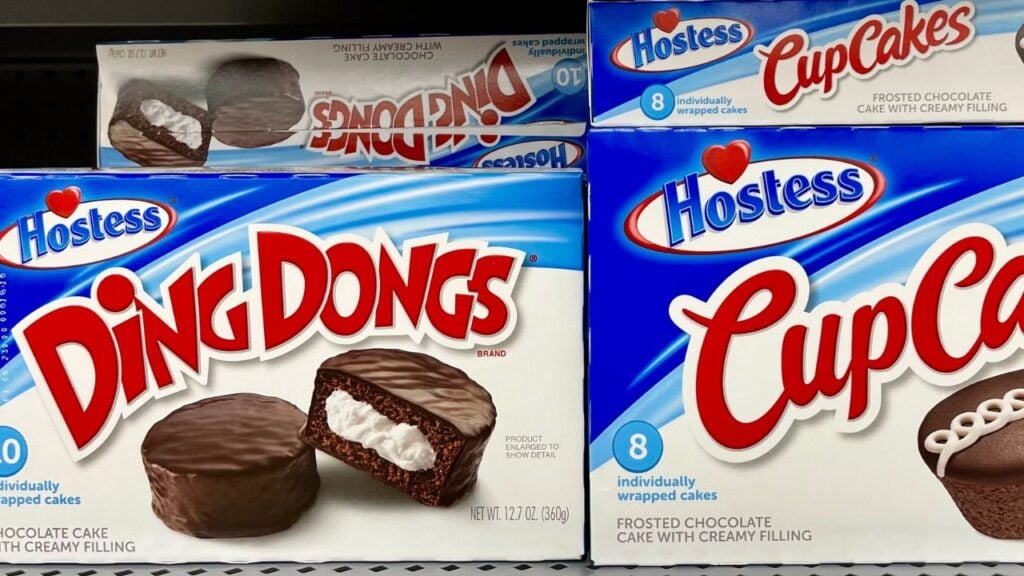
For Minnesota kids in the '60s, lunchtime wasn't just about eating.
It was a break from class and a chance to show off whatever landed inside the lunchbox that morning.
