
4 Tennessee Dishes Younger Tennesseans Rarely Learn to Make

Do you know how to turn raw sorghum cane into molasses?
Many Tennesseans don’t anymore.
Tennessee had close to 3,000 acres of sorghum cane growing across the state in the 1950s, and the state has roughly 400 acres left today.
These are the Tennessee dishes younger Tennesseans rarely learn to make.
1. Poke Sallet
Poke sallet comes from pokeweed, a wild plant that pops up across Tennessee fields and fencerows every spring.
Only the young shoots go in the pot, and cooking them safely takes more than a quick boil.
Middle Tennessee food writer Abby Lee Hood’s 2021 essay for Modern Farmer describes younger Appalachians increasingly skipping the plant.
Hood herself never learned to prepare a poke product growing up in her family’s Middle Tennessee kitchen.
She only taught herself to make poke berry jelly as an adult, by her account.
She isn’t alone.
Gainesboro has hosted a Poke Sallet Festival since 1977, complete with poke-eating contests, evidence of how central the plant used to be on Tennessee’s spring table.
Some historians trace the plant’s safe preparation back to Cherokee foodways, later adopted by the settlers who farmed the same hills.
How Poke Sallet Becomes Safe to Eat
Poke sallet only comes from the plant’s young spring shoots, picked before they turn purple or woody.
Every part of the mature plant, including the roots, berries, and stems, stays toxic even after cooking.
Traditional cooks boil the young leaves in at least two changes of water, pouring out each pot before the greens are safe to eat.
2. Squirrel and Gravy
Squirrel and gravy used to be ordinary Sunday food in rural Middle Tennessee, not a novelty.
Hunters brought squirrel home from the woods, fried the meat like chicken, and made pan gravy to spoon over biscuits.
Hood, the same Middle Tennessee writer who grew up on poke sallet, says squirrel and gravy was a fixture of her family’s table too.
Now an adult vegetarian, she says it’s unlikely she’ll cook squirrel again anytime soon, the dish left behind along with the rest of her generation’s hunting-family cooking.
A food historian in the same essay ties that same shift to Appalachian hunting-family dishes broadly.
Squirrel meat is increasingly swapped out for chicken in recipes that once ran on wild game.
The gravy stayed.
The squirrel didn’t.
Grandparents in hunting families still tell stories about a good pot of squirrel and gravy, even in houses where nobody has cooked one in years.
3. Country Ham
Country ham in Tennessee starts with salt, time, and a whole hog, not a plastic-wrapped ham from the store.
Curing a country ham the old way takes months of salting, resting, and smoking before it’s ready to slice.
Nobody rushes it.
In Cannon County, hog farmer Bobby Parker cures 25 to 40 hams a year, per Farm Flavor’s reporting on Tennessee’s ham tradition.
He won Grand Champion Ham at the Tennessee State Fair in 2023 and 2025.
Peter Bennett, who owns the Hamery in Murfreesboro, boils the whole process down to salt, sugar, and time, the same basics Tennessee curers have leaned on for generations.
Many Tennessee families buy a cured ham instead, often from a small commercial curer like Benton’s in Madisonville.
Benton’s Smoky Mountain Country Hams has smoked and cured hams and bacon in Madisonville for decades, evidence that the craft survives commercially even where it left home kitchens.
Home hog-curing has grown rare enough that Tennessee 4-H now runs a Country Ham Curing project with the Tennessee Pork Producers.
It teaches the knife work and curing process to kids in grades 4 through 12.
It’s a structured program built for a skill fewer families still pass down at home during hog-butchering season.
4. Sorghum Molasses
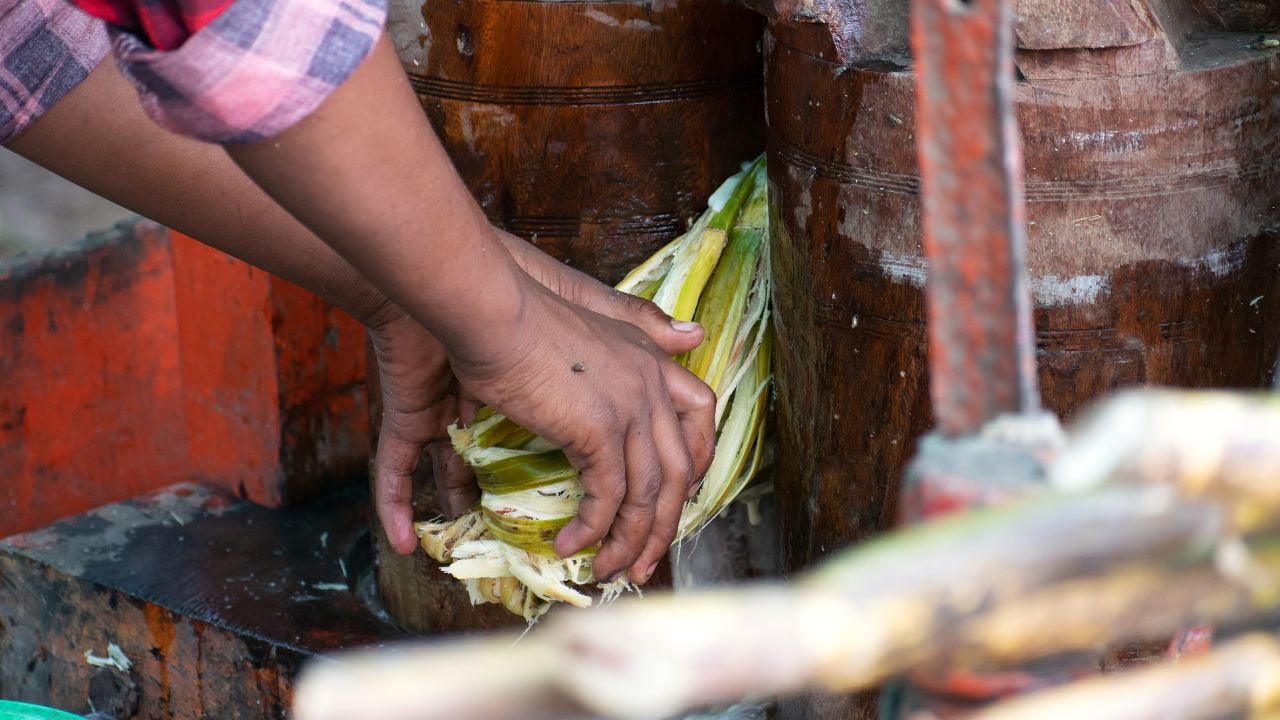
Sorghum molasses is Tennessee’s sweetener, made by pressing juice from sorghum cane and cooking it down slow over a wood fire.
Tennessee’s historical encyclopedia puts the state’s sorghum-cane acreage at close to 3,000 acres in the 1950s, down to roughly 400 acres today, tended by about 80 producers statewide.
A stir-off, the fall gathering where neighbors pressed cane and boiled it into syrup together, used to be a community event in small Tennessee towns.
It’s where many kids first picked up the process, by helping out.
Stir-offs are rare now.
The syrup still shows up on Tennessee cornbread and biscuits at breakfast, even though fewer people today know how to make it from a stand of cane.
Still the Country’s Top Sorghum Producer
Tennessee has stayed one of the top sorghum-producing states in the country, even as its total acreage shrank.
The state routinely lands in the top two nationally for sorghum syrup output, per the same Tennessee Encyclopedia entry.
The quality hasn’t dropped.
What changed is how many farms are still willing to put in a full season of cutting and stripping cane by hand.
Psst! How much do you know about Tennessee’s food history? Take our quiz and see how many you can get right.
Quiz
Tennessee Food History IQ
Answer these questions on Tennessee’s food history and traditions. We bet you can’t get them all right. Prove us wrong?
Why did the Chattanooga Bakery create the Moon Pie in 1917?
Where Food Traditions Still Get Passed Down
A Tennessee-based Facebook group called Tennessee Foragers & Mushroom Hunters had grown past 9,000 members as of Hood's 2021 essay.
Members trade tips on wild greens and mushrooms many of their neighbors have never tried.
Foraging is having a moment.
South Pittsburg has held a National Cornbread Festival every April since 1997, per the same state encyclopedia that tracks Tennessee's food traditions, complete with a cast-iron cook-off.
The winning entry is usually a family recipe that's stayed the same for decades, still made from scratch in a cast-iron skillet.
8 Ways Tennesseans Dodge the Nashville Tourist Crowds

A bachelorette party spills out of a pedal tavern on Lower Broadway on a Tuesday afternoon while a Nashville local slips off Broadway.
She already knows the faster route the tour buses never take, and so does everyone else who lives in Nashville.
8 Ways Tennesseans Dodge the Nashville Tourist Crowds
8 Tennessee Hunting Rules That Cost First-Timers Their License
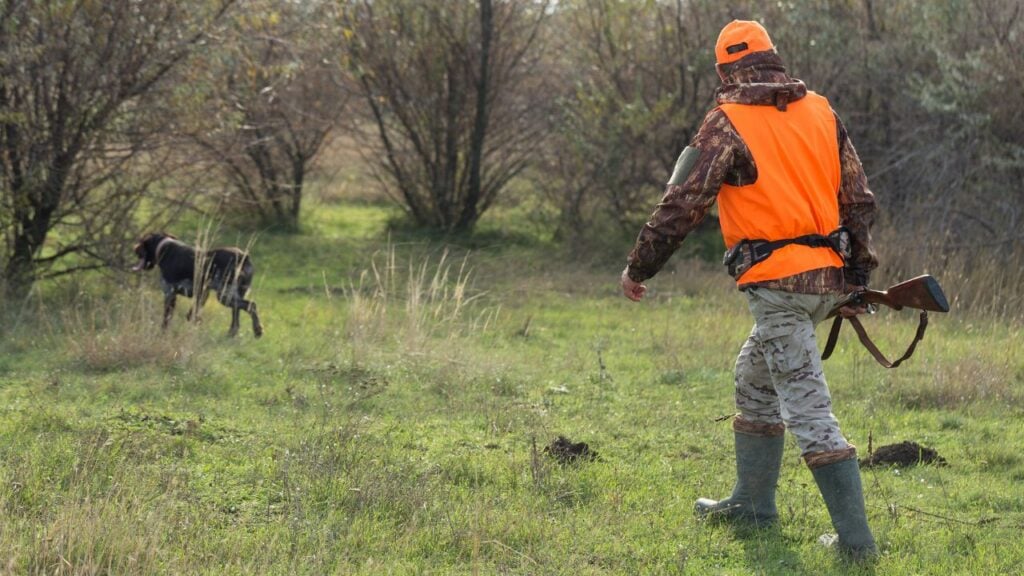
A first-time Tennessee hunter drags an eight-point buck out of the woods near Land Between the Lakes.
He's proud enough to call his dad before he calls the Tennessee Wildlife Resources Agency (TWRA), but one skipped step can turn a rookie mistake into a revoked license.
8 Tennessee Hunting Rules That Cost First-Timers Their License
