
5 Sugarhouse Habits Vermonters Start Long Before Spring

Vermont’s sugarhouses ran 8.2 million taps, according to the U.S. Department of Agriculture’s latest count.
That scale means the prep work you’d never notice starts long before the snow melts.
These are the sugarhouse habits Vermonters start long before spring.
1. Thinning the Sugarbush
Sugarmakers thin their sugarbush long before the first thaw, walking the woods with a chainsaw instead of a spout.
Foresters time the work for whenever the ground is firm enough for you to run equipment over it without tearing it up.
That usually means summer, a dry fall, or a stretch of hard-frozen winter.
Spring mud season is off the table.
Crews often schedule this same visit to swap out worn tubing, since the saws, the truck, and the crew are already on-site.
Weaker maples come down so the biggest, healthiest trees, the maples you’ll still be tapping decades from now, pick up more sunlight and grow faster.
More growth now means more sap for years afterward.
Crews sometimes split the culled trees into cordwood right on the spot, so one afternoon in the woods can already cover next winter’s wood pile too.
Nothing goes to waste.
2. Splitting Next Winter’s Wood
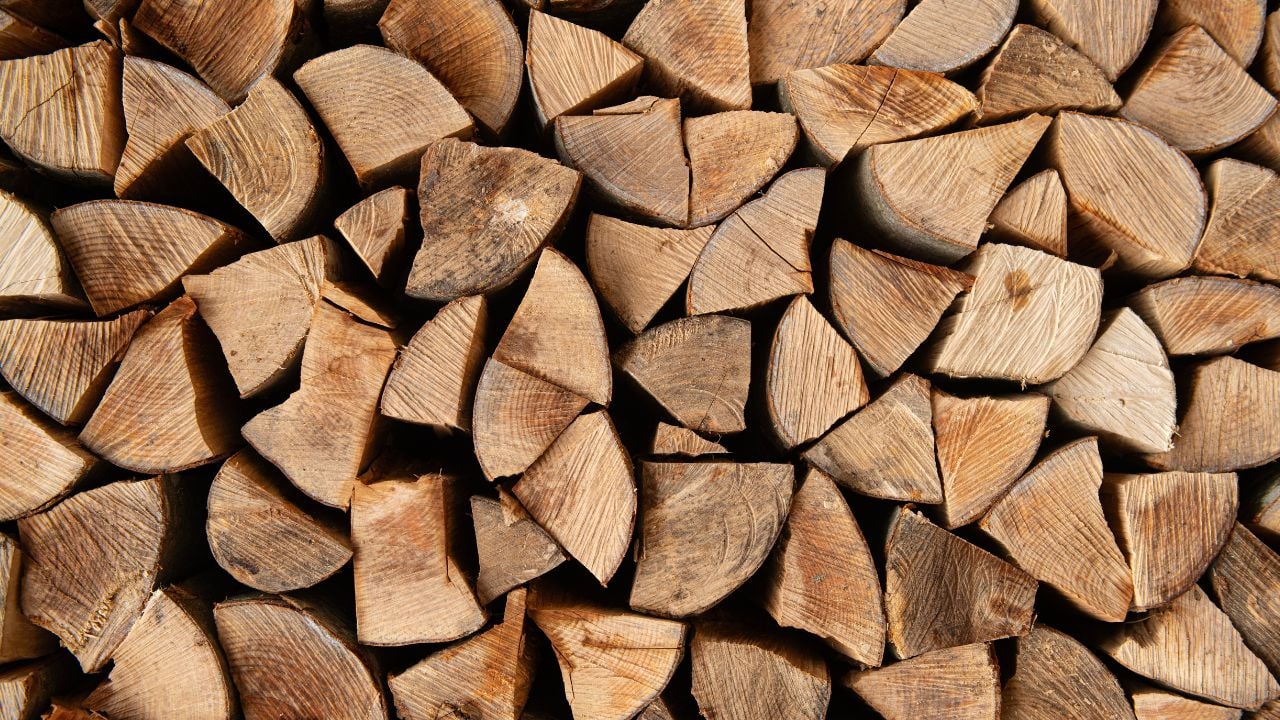
Wood-fired sugarhouses split and stack next season’s cordwood while summer still runs hot, months before a single pan goes on the arch.
Vermont Evaporator Company, which builds boiling rigs for sugarhouses across the state, tells customers summer’s the time to split, stack, and cover the wood supply.
That way it’s dry by the time sap starts moving.
Dry wood burns hotter.
A damp stack just smokes and stalls a boil that needs to run fast once the sap starts flowing.
That much firewood adds up fast, more than you’d stack to heat your house through an entire winter.
Vermont’s sugarhouses ran 8.2 million taps in 2026, exactly half the nation’s total, according to the U.S. Department of Agriculture.
Production told an even bigger story that year: Those same taps produced more than half the nation’s syrup, over 3 million gallons in all.
3. Draining and Sanitizing the Tubing
Sugarhouses drain and sanitize their tubing lines every fall, months before the first tap goes back in for the next season.
Pulling taps right when the sap stops running gives each tree a full growing season to heal, something you’d never notice just driving past a sugarbush in July.
Sugarmakers use that same fall window to flush the lines before hard freezes set in for good.
Left unsanitized, a tubing system’s sap yield can fall by about half over four to five years as mold, yeast, and bacteria build up inside the tubing’s porous walls.
Some smaller operations still hang buckets instead of running tubing.
Sugarmakers give those buckets the same fall check for a sour, mildewed smell before they go back on a tree.
Clean lines mean more syrup.
Cornell and University of Vermont researchers found that sanitizing tubing this way can lift the next season’s sap yield by as much as 75%.
Psst! How much do you know about Vermont’s maple industry? Take our quiz and see how many you can get right.
Quiz
Vermont Maple IQ
Answer these questions on Vermont’s maple industry, from its official state tree to what happens inside the sugarhouse. We bet you can’t get them all right. Prove us wrong?
In what year did the sugar maple become Vermont’s official state tree?
4. Servicing the RO Membranes
Sugarhouses that run reverse osmosis (RO) machines send their membranes out for professional cleaning during the off-season, months before their sap ever starts moving.
An RO machine forces raw sap through a membrane that pulls out much of its water before the sap ever reaches the evaporator.
That leaves less liquid for you to boil down once the season starts.
Sending a membrane out early beats waiting.
Vendors handling that cleaning work face their crunch once sap starts running anywhere in the state.
A membrane that ships out ahead of that crunch comes back ready with time to spare.
Early beats scrambling.
Waiting costs weeks you can't get back once the season is already moving.
5. Rebuilding the Evaporator
Sugarmakers pull the evaporator out of storage and rebuild it during the off-season, long before the season needs it.
Assembling the arch and the pans early leaves weeks to track down and order any part that's cracked, rusted, or missing outright.
That's time a sugarmaker doesn't have once the season is already running.
By the time sap starts moving, it's too late to discover a missing part.
Many sugarmakers use the same window to calibrate their refractometers and hydrometers, the tools that measure sugar content and keep every batch grading correctly.
That timing never slips.
The Season Is Short. The Work Isn't.
Vermont's sugaring season lasts only about four to six weeks a year, according to the Vermont Maple Sugar Makers' Association.
Everything on this list happens in the other ten months.
That's why you'd catch a sugarhouse looking just as busy in July as in March, chainsaw in hand instead of a hydrometer.
Why Some Taps Go in Before New Year's
The biggest sugarhouses have started tapping trees in December, weeks before the calendar even reaches the new year.
University of Vermont reporting on the shift describes a season that now often starts sooner and wraps up sooner too.
The whole run is getting shorter, not just earlier.
Labor explains part of it.
A large operation can only find enough hands to run buckets and check the miles of line you'd need covered by spreading that work across more weeks, not fewer.
Crews on those early-tapping operations spend December weeks clearing brush and re-hanging tubing that a moose or a squirrel already pulled down over the summer.
The season no longer always starts in spring.
Smaller sugarhouses without the extra crew it takes to start early still wait for late January or February.
They tap on the old schedule while the big operations get a head start.
Maple sap only runs during one narrow stretch of weather: Nights in the 20s, days climbing back above 40 degrees Fahrenheit.
That stretch can show up in the first week of December, before you've even taken the Christmas lights down.
A sugarhouse with its taps already in doesn't have to wait for it.
8 Ways Out-of-Staters Break Buc-ee's Etiquette Before They Reach the Brisket

A loudspeaker crackles with news of fresh brisket at a Buc-ee's travel center, and half the store turns toward the barbecue counter without missing a step.
Regulars already know the unspoken rules, and an out-of-stater gives themselves away with one wrong question at the counter.
8 Ways Out-of-Staters Break Buc-ee's Etiquette Before They Reach the Brisket
