
6 Township Road Rules That Catch New North Dakota Landowners Off Guard

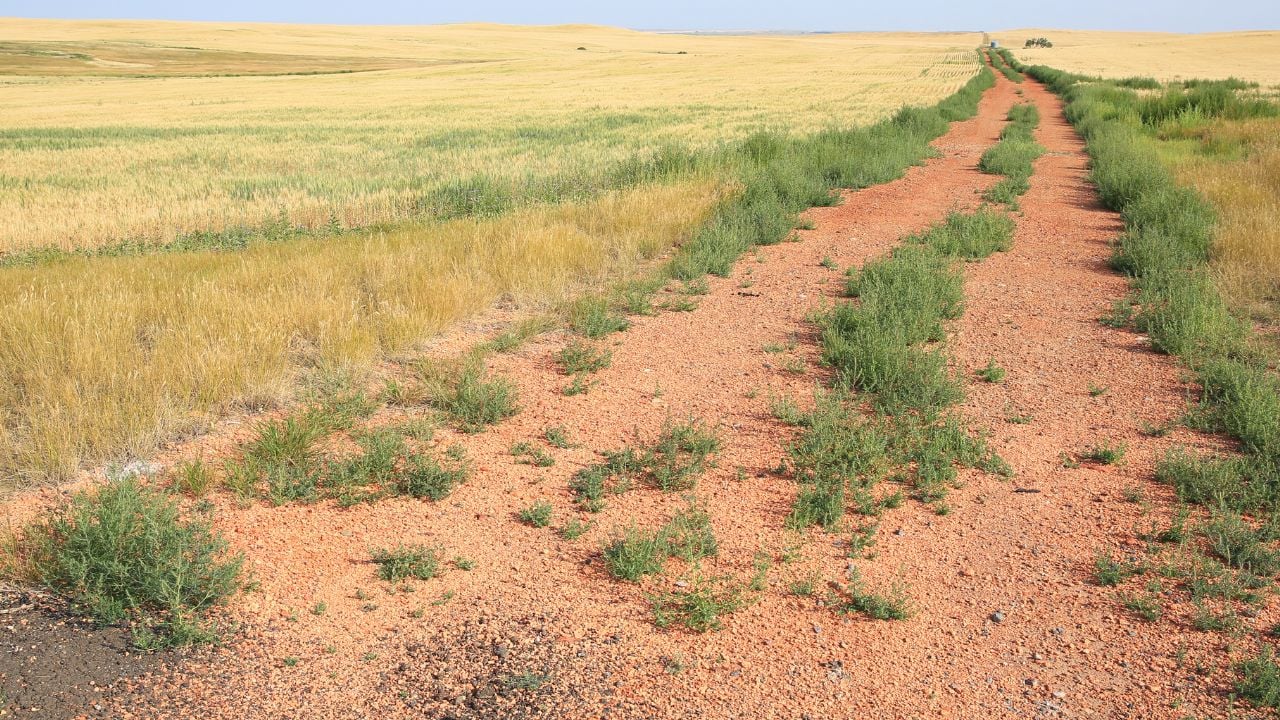
A property line in North Dakota can double as a public road, whether anyone ever built one there or not.
It’s easy to miss.
These are the township road rules that catch new North Dakota landowners off guard.
Note: This is general information, not legal advice. Road classifications, permit rules, and liability protections vary by county and township and are subject to change.
1. Township Road Grading
North Dakota law puts your township board in charge of grading and maintaining the roads inside its borders, not the county.
Grain trucks and loaded combines lean hard on those gravel miles every fall, and it’s the township that decides whether they hold up.
New owners often lose a week calling the county highway department about a washed-out culvert before anyone redirects them to the township clerk who can send a grader.
Only an unorganized township, where no elected board exists, hands that job to the county instead.
So when your road needs work, the township clerk is the first call, not the county courthouse.
What Counts as a Township Road?
A North Dakota township road sits inside an organized township’s boundaries, and the elected township board builds, grades, and maintains it.
A county road falls under a different office, the county highway department, rather than the township board.
A state highway belongs to the North Dakota Department of Transportation and carries a numbered route, like Highway 200.
An unopened section line is neither of those. State law treats it as a public right-of-way whether or not anyone ever graded a road onto it.
A private driveway sits outside all three, open to the public only if the owner allows it or an easement says so.
2. Section Lines as Roads
Does the strip of grass along your new property line already count as a public road?
State law answers yes. State law treats every congressional section line outside a city as a public road, open to travel, whether a road has ever been graded onto it or not.
That includes a strip 33 feet wide on each side of the line, section by section, across the state.
Grass, a fence line, or an open field can all sit on top of that strip without a single sign marking it.
It’s not a road.
A county board can close a section line only in narrow cases, like ten years of nonuse or a natural obstacle blocking travel.
Until that happens, the public’s right to cross it stands, no matter what’s growing on top of it.
3. Fencing a Section Line
North Dakota law bans a landowner from setting anything permanent within that 33-foot strip along a section line without written permission from the township board or county commissioners.
A new fence, a grain bin, or a shed all count, and each one needs that sign-off before it goes up, with one narrow exception for fences.
A fence crossing a section line that’s already closed doesn’t need permission.
Neither does a fence crossing an open line, as long as the landowner installs a cattle guard that meets state standards.
Many new owners never think to ask, or assume their fence automatically qualifies for one of those exceptions when it doesn’t.
That starts a boundary fight.
Ask the township clerk before you dig a post hole, and the paperwork usually takes less time than the argument would.
4. Impassable Section Line Costs
North Dakota lets a landowner petition to improve a section line for farm access, but the landowner pays for it, not the township or county.
The petition only works when the terrain blocks travel and no accessible alternate route already connects the land.
Grading, culverts, and gravel all come out of the petitioner’s pocket once the county or township board signs off.
That bill is yours.
So before you spend a chunk of savings regrading a rough stretch, confirm the terrain test applies to your land.
5. No Solo Petitions
A new landowner who wants a rough township road regraded can’t simply request it alone.
North Dakota requires at least six electors who own real estate near the road before a township or county board will lay it out, alter it, or shut it down.
A single landowner’s petition gets nowhere on its own, no matter how legitimate the request is.
Round up the neighbors who share the same stretch of gravel before filing anything with the county auditor’s office.
That petition, once filed, still has to survive a public hearing and a formal survey before any grader shows up.
6. The ‘Minimum Maintenance’ Label
North Dakota law lets a township or county board formally label a low-traffic road “minimum maintenance,” which lowers how often the board grades or plows it.
That label only sticks if the road serves occasional or intermittent traffic.
It can’t double as a school bus route, a mail route, or the only way to reach an existing home.
Boards have to post signs at the start of the road and at regular points along it, and those signs count as legal notice that the service level dropped.
Follow those steps, and North Dakota law says the township or county is not liable for an accident on that road.
The sign does that work.
A road that looks the same as it did last year can carry a very different legal status now, and nothing about its gravel gives that away.
Psst! How ready are you for North Dakota’s township road rules? Run through this checklist and see where you stand.
The Platted-Subdivision Exception
North Dakota’s section-line-is-a-road rule stops working the moment land sits inside a platted subdivision recorded under state law.
State law limits the blanket rule to land outside incorporated cities and outside subdivisions recorded under North Dakota Century Code chapter 40-50.1, or platted before July 1, 1987, under the old chapter 40-50.
Inside one of those recorded plats, the subdivision’s platted streets govern access, not the automatic 33-foot strip that runs along every section line outside city limits.
North Dakota’s Geographic Information System office also runs a statewide Parcel Viewer built on the Statewide Parcel Dataset.
That map is one way to see whether a tract sits inside a recorded plat before ever calling the township.
8 Ways Out-of-Staters Break Buc-ee’s Etiquette Before They Reach the Brisket

The loudspeaker barely finishes announcing fresh brisket before half the store turns toward the counter, regulars already lined up in the right spot.
Out-of-staters usually learn Buc-ee’s unwritten etiquette the hard way, one dirty look from a regular at a time.
8 Ways Out-of-Staters Break Buc-ee’s Etiquette Before They Reach the Brisket
