
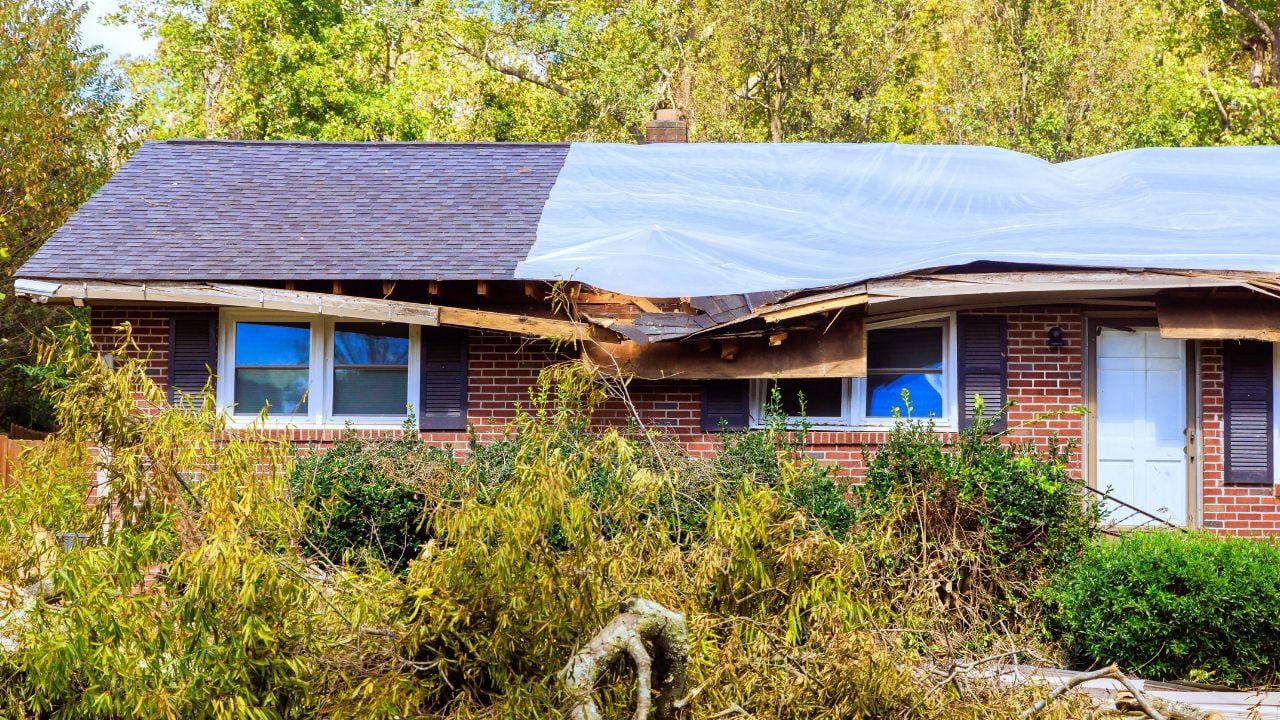
7 Roof Problems That Cost South Carolinians Their Insurance Coverage

South Carolina requires every insurer selling wind and hail coverage to carry a separate storm deductible.
That deductible can run as high as 5% of a home’s insured value, according to the Insurance Information Institute.
But a worn or damaged roof can cost a homeowner their coverage.
These are the roof problems that cost South Carolinians their insurance coverage.
Note: This is general information, not insurance advice. Coverage and terms are subject to change, so check the specifics with your insurer or agent.
1. Past the Insurer’s Age Cutoff
Homeowners hit an unwritten birthday for their roof long before the shingles fail.
Many carriers now draw that line around 20 years old, and a roof past it typically has to pass an inspection before the company will renew coverage at all.
Cross that age line, and full replacement cost can become actual cash value only, with depreciation built into whatever check eventually arrives.
The premium rarely drops.
The coastal insurance market has tightened enough that carriers writing policies from Hilton Head to Myrtle Beach ask a roof’s age before almost anything else about the house.
2. Storm Claims That Cost Coverage
A roof damaged by wind or hail runs into a deductible built only for storms, separate from anything else the policy covers.
It works nothing like the flat $1,000 deductible a homeowner expects on everything else.
That storm deductible usually runs 1% to 5% of the home’s insured value.
A homeowner covers that share alone before the insurer pays anything toward the roof.
Filing that claim doesn’t make it disappear just because the payout came to zero.
Insurers share claims data nationwide, and even an unpaid claim lands in the file.
A pattern of small storm claims that never clear the deductible can still cost a homeowner the next renewal.
Not one of those claims ever cost the company a dollar.
The Math Behind South Carolina’s Storm Deductible
South Carolina’s Department of Insurance walks through this exact arithmetic in its Post-Disaster Claims Guide for homeowners.
A $250,000 home carrying a 2% wind and hail deductible owes $5,000 out of pocket before the policy pays a cent toward the roof.
The homeowner pays all of it.
The claim never technically happens.
3. Skipping the Tarp After a Storm
Homeowners insurance carries a duty many people never read until they need it: The homeowner has to take reasonable steps to keep damage from getting worse.
The South Carolina Department of Insurance spells it out plainly in its disaster guidance.
It tells homeowners to cover storm-damaged roofs with plywood or plastic right away and keep every receipt for the repairs.
That’s the rule.
Skip it, and the bill can land on you.
A cracked roof that keeps leaking for another two weeks can turn one covered loss into a second problem: Mold, or rotted decking underneath.
Adjusters treat that second problem as preventable, and insurers deny preventable losses on principle.
4. Claims History That Follows the Roof
Insurers doing business in South Carolina pull a claims-history report called the Comprehensive Loss Underwriting Exchange (CLUE) on nearly every application.
A roof with more than one past claim attached to it stands out fast, and the report follows the house, not the person who owned it before.
Someone else inherits it.
Multiple roof or water-damage claims on file can push an insurer toward a non-renewal instead of another payout.
A company that already paid once tends to read a second claim as a pattern, not bad luck.
5. Wear a Camera Catches From Above
A roof increasingly gets its renewal review from a camera in the sky instead of a person on a ladder.
Insurers across the country now use aerial imagery to decide whether to renew a policy, not only to assess damage after a storm already hit.
Nobody rings the doorbell.
South Carolina isn’t exempt: The same national insurers and imagery vendors writing coverage here use that practice too.
A renewal that used to hinge on a homeowner’s word now hinges on a photo the homeowner never sees.
That photo can come back attached to a repair demand or a straight non-renewal instead of the usual bill.
6. Roof Work Done Without a Permit
Many South Carolina jurisdictions require a permit before a roof comes off, under the state’s adopted International Residential Code.
Skipping it isn’t free.
A standard homeowners policy already refuses to pay for bringing a home up to current code.
Only a separate add-on called ordinance or law coverage picks up that gap.
Unpermitted roof work is exactly the kind of shortfall it exists to cover.
Skip the permit, and a future adjuster can treat that section of roof as a repair the policy never agreed to finish paying for.
Psst! How much do you know about South Carolina’s hurricane and insurance history? Take our quiz and see how many you can get right.
Quiz
Carolina Storm IQ
Answer these questions on South Carolina hurricane history and the state’s storm insurance programs. We bet you can’t get them all right. Prove us wrong?
About how high was the storm surge Hurricane Hugo produced at Bulls Bay, South Carolina, in 1989, the highest ever recorded on the U.S. East Coast at the time?
7. When the Wind Pool Says No
The state runs an insurer of last resort for the coast, the South Carolina Wind and Hail Underwriting Association, for homeowners no standard company will touch.
Even that program has a floor, and the roof is part of it.
The association's rules say a property, and especially its roof, has to be in good condition before it will write a policy at all.
No exceptions for storm-worn shingles.
A homeowner who strikes out with every standard carrier, and then can't clear the Wind Pool's roof standard either, runs out of options inside South Carolina's borders.
The association exists because the regular market wouldn't take the risk in the first place.
From there, a homeowner is left choosing between the surplus-lines market, the pricier insurers licensed to write what regulated carriers won't, or no wind coverage on the roof at all.
8 Moving Quote Traps South Carolinians Keep Falling For
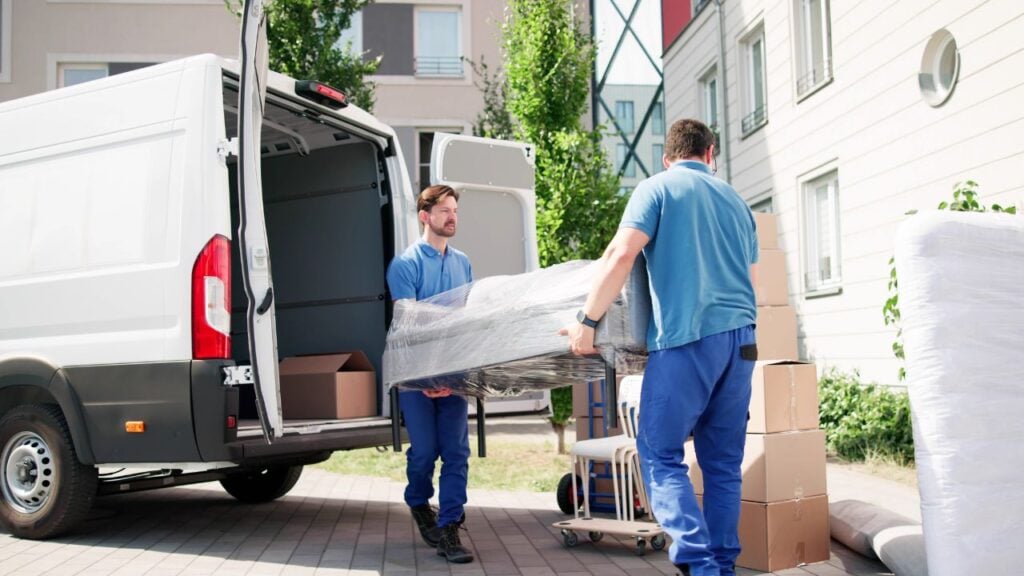
A family in Greenville signs a mover's estimate without reading much past the total at the bottom.
They have no way to see, from that single number, almost everything deciding what they'll pay on move-in day.
8 Moving Quote Traps South Carolinians Keep Falling For
8 Things a South Carolina Landlord Can't Legally Do to Renters in 2026

A property manager in Mount Pleasant lets herself into an occupied unit to swap an air filter, with no call and no warning.
She's breaking the law, and many South Carolina renters have no idea the rule even exists.
8 Things a South Carolina Landlord Can't Legally Do to Renters in 2026
