
9 Everyday Habits That Only Make Sense to South Dakotans

Could you explain to a first-time visitor why blaze-orange vests take over gas stations and diners across South Dakota the third Saturday of October?
It’s pheasant season.
South Dakota Game, Fish and Parks traces the tradition back to 1919.
These are the everyday habits that only make sense to South Dakotans.
Note: This is general information, not legal or tax advice. Vehicle, licensing, and tax rules are subject to change, so confirm current requirements with the South Dakota Department of Public Safety.
1. West River, East River
People size each other up with two words before a hometown ever comes up: West River or East River.
The Missouri River splits it.
Travel South Dakota calls the split a friendly rivalry that shows up in scenery, food, and even which hat a stranger tips to you first.
West River means Black Hills pine, cattle ranches, and cowboy hats.
East River means flat prairie, corn and soybean fields, and seed-corn caps instead.
It’s one state, but two very different worlds.
Tell another South Dakotan where you’re from, and the next question is almost always which side of the river you call home.
2. Pheasant Opener Weekend
The state treats the pheasant opener like a second holiday every fall.
State wildlife officials point to 1919 as the start, back when the ring-necked pheasant was still a newly introduced bird on the prairie.
The 2026 traditional season opens October 17 and runs into the new year.
A youth-only season and a short resident-only window both come first in early-to-mid October.
By the time the traditional opener arrives, orange vests are already a familiar sight around the state.
It’s tradition.
Nobody questions it.
Restaurants plan specials around it, and hotel rooms in pheasant country book up months ahead.
Even non-hunters know exactly which weekend it is.
3. No State Income Tax
South Dakotans never set money aside for a state income tax withholding line, and they never file a state return every April.
There’s nothing to file.
The state charges no personal income tax at all, and the Tax Foundation lists South Dakota among just nine states without one.
Many South Dakotans don’t notice the habit until an out-of-state friend complains about a withholding line or a spring tax bill.
South Dakota leans on sales and property tax instead, so the trade-off shows up at the register and on a property tax bill, not on a pay stub.
4. Wind Before Temperature
Many locals make a habit of checking wind speed the way other people check the temperature.
Wind isn’t just weather, it’s infrastructure: The U.S. Energy Information Administration lists wind as South Dakota’s primary source of electricity.
A gusty forecast changes plans in ways a visitor wouldn’t expect, from grilling on the patio to what a farmer does with a spray rig that afternoon.
A calm day stands out.
Ask a South Dakotan about the forecast, and wind speed comes up before the high or low ever does.
5. Chislic on the Menu
Locals order chislic out of pure habit, even though almost nobody outside the state has heard of it.
Cubed, skewered, and deep-fried red meat earned official status when the legislature named chislic South Dakota’s state nosh in 2018.
The dish traces back to German-Russian immigrants who settled around Freeman.
It still shows up on bar menus and at county fairs across the southeastern part of the state.
It’s bar food.
It’s also state law.
Order it plain with saltine crackers and hot sauce, the traditional way, and a South Dakotan won’t blink.
Psst! These habits go beyond the list above. See how many are already part of your routine.
6. Rally Week Traffic
Families build late-summer plans around one week they already know to avoid: Sturgis Rally week.
They time grocery runs, gas fill-ups, and road trips around it every August, without needing a reminder.
The city of Sturgis says its population of about 7,100 swells past 450,000 during Rally week, and the 2026 event runs August 7 through 16.
Hotel rooms across the Black Hills book up a year ahead.
Every single year.
Residents in South Dakota’s smallest towns feel the ripple too, in gas prices and campground availability, even far from Sturgis.
Even non-riders know exactly which week to avoid Main Street in Sturgis.
7. No Emissions Test
Drivers never schedule an emissions test when they register a car.
Newcomers from a state with mandatory testing ask about it once, hear there isn’t one, and stop asking.
The state runs no statewide vehicle safety or emissions inspection program, so a car that passed muster in Minnesota or Colorado needs nothing extra to get South Dakota plates.
It’s one less appointment.
Registration still costs money and still happens every year, just without the tailpipe check.
8. License Plates From a Mailbox
South Dakotans see many South Dakota license plates on trucks and recreational vehicles (RVs) that have never parked in the state.
The Department of Public Safety lets a full-time traveler establish residency with one overnight stay at a South Dakota hotel, campground, or RV park.
The traveler also needs proof of a mailbox address from a registered mail-forwarding business.
Companies built around that rule cluster in towns like Box Elder, handling mail, vehicle registration, and voter registration.
For some customers, years can pass between visits after signing the paperwork.
The address is real.
The house isn’t.
A local who spots an unfamiliar South Dakota plate on a cross-country RV rarely assumes a neighbor just bought a new rig.
Why So Many South Dakota Plates Travel Alone
South Dakota’s residency rule for full-time travelers only asks for one documented overnight stay, not a lease or a deed.
A driver completes a notarized residency affidavit and shows a hotel or campground receipt with their name on it.
Proof of a mailbox address stands in for a street address.
That’s different from a typical driver’s license file, where the address on the card usually matches somewhere the driver sleeps.
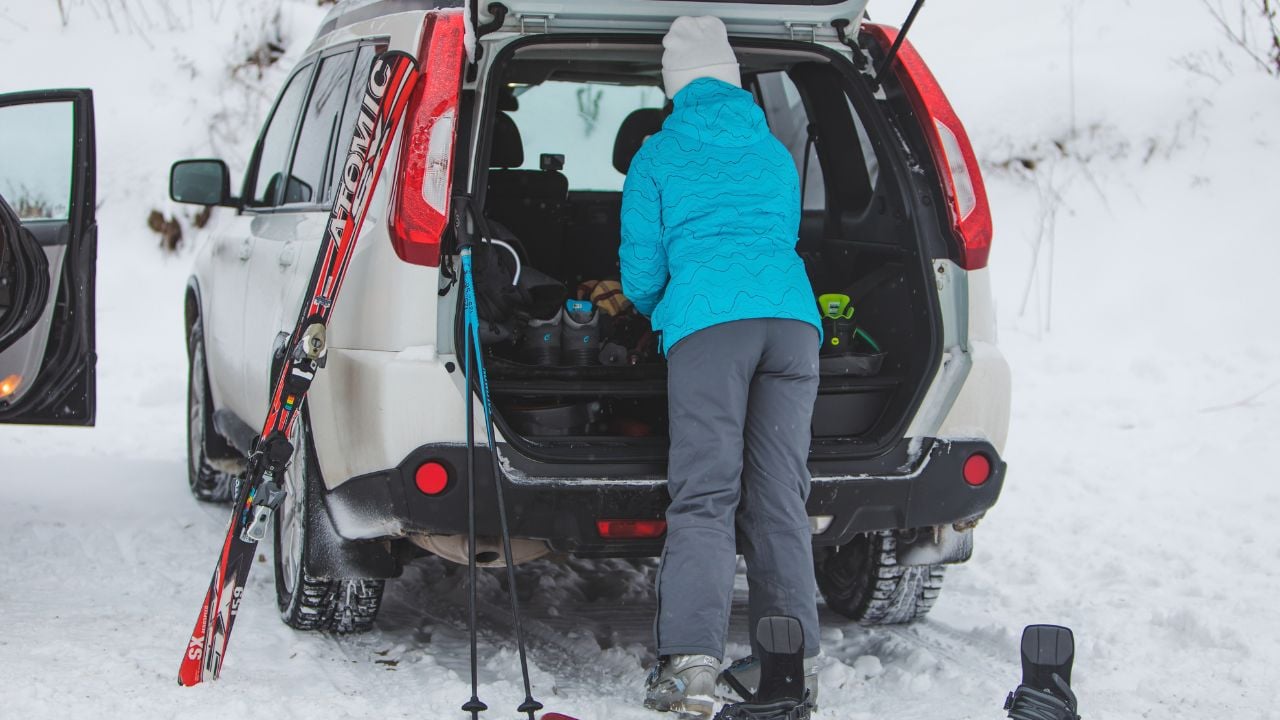
9. Winter Kit in the Trunk
Drivers keep a winter survival kit in the car from November through March, and it isn’t optional advice.
Pennington County’s emergency management office tells residents to carry a winter storm kit in the car at all times, stocked with a shovel, blankets, jumper cables, and non-perishable food.
A whiteout on I-90 or a rural highway can drop visibility to almost nothing within minutes.
The guidance is blunt: Stay with the vehicle, and don’t wander off looking for shelter.
It’s not paranoia.
It’s the plan.
Longtime residents rotate fresh batteries and food into the kit every fall without being told, the same way they check antifreeze before the first hard freeze.
A stranded driver who skipped all of it might wait hours for a tow once county plows finally clear the road behind them.
For the driver who packed a shovel and blankets back in October, the wait is annoying, not scary.
16 Things the Internet Has Ruined for South Dakotans

South Dakota’s daily habits didn’t stop at pheasant season and winter kits.
Screens changed many of them, from snow days to Friday night plans, long before anyone noticed the shift happening.
16 Things the Internet Has Ruined for South Dakotans
10 Rude Target Habits That Frustrate South Dakota Shoppers

Not every South Dakota habit is one locals are proud of.
Many South Dakota shoppers keep a list of aisle etiquette that neighbors keep breaking on a routine Target run.
