

5 Things Ohioans Can’t Legally Do With a Deer They Hit

Ohio drivers filed an estimated 80,500 animal-collision insurance claims in the year ending last June, State Farm’s claims data shows, and the riskiest stretch of the year starts this month.
A driver who hits a deer on an Ohio road can legally take it home.
There’s a catch, though.
These are the things Ohioans can’t legally do with a deer they hit.
Note: This is general information, not legal advice. Wildlife possession rules are subject to change, so confirm the current requirements with the Ohio Department of Natural Resources Division of Wildlife.
1. The 24-Hour Window
Ohio law lets a driver keep a deer they killed by hitting it on a road, but the deal comes with a clock attached.
Ohio Revised Code 1533.121 says the driver may take the deer only if they report the strike to a wildlife officer or other law enforcement officer within 24 hours.
The officer investigates the account.
Once it checks out, the driver receives a certificate for legal ownership of the deer, the paper that makes the deer theirs.
Some county pages call that same document a deer possession receipt.
If a driver misses the 24-hour window, the legal path to keeping the deer closes, even if they never left the scene.
The Cost of Skipping It
A first offense for unlawfully possessing an Ohio deer is a third-degree misdemeanor, which carries a fine of up to $500.
A repeat offense jumps to a first-degree misdemeanor, with a fine that can run up to $1,000.
A court can add a third penalty on top of either fine: Suspending the driver’s hunting and fishing licenses.
Ohio Revised Code 1533.68 fixes that suspension at three years when a judge imposes it, applying even to a driver who has never held a hunting license.
Judges can add restitution on top of either fine for the deer’s value under the state’s wild-animal restitution formula.
Antlered bucks carry an extra charge tied to their antler score.
A big buck’s score can turn a few hundred dollars in fines into a restitution bill that runs into the thousands.
2. Keeping Just the Antlers
Some drivers assume the deer’s antlers are the harmless part to grab, the meat left behind, the receipt skipped.
Ohio law doesn’t split the deer that way.
State code puts the title to every wild animal in the state itself, and it bans transporting any part of one without authorization.
Antlers count as a part.
A rack pulled off a roadside deer without the same 24-hour report and certificate is unlawfully possessed wildlife.
That’s no different under the code than driving off with the whole animal.
3. Handing It Off Yourself
Ohio’s law that lets a driver keep a struck deer also decides who else can end up with it.
The certificate for legal ownership on an unclaimed deer can go to a charity, a public or private organization, or another person.
That transfer still runs through the reporting officer, not the driver alone.
A neighbor waved over at the scene and handed the deer on the spot hasn’t received anything legal.
The paperwork has to move through that same channel before the deer belongs to anyone but the state.
4. Selling the Venison
Getting a certificate for a struck deer doesn’t turn a driver into a meat vendor.
Ohio bans buying or selling any part of a wild animal outside a licensed operation.
The only license that covers selling deer meat belongs to a fenced, state-inspected deer farm.
A deer collected off a highway shoulder never qualifies for that license, certificate or no certificate.
Giving the venison away causes no problem under Ohio law.
Sell it, and the driver has crossed from a lawful roadkill claim into a wildlife-trafficking violation.
Selling $1,000 or more in deer parts changes the criminal charge.
Ohio Revised Code 1531.99 classifies that amount as a fifth-degree felony, not a misdemeanor.
5. The Deer You Didn’t Hit
Ohio’s possession law only covers a deer whose death the driver’s vehicle caused by striking it.
A deer already dead on the shoulder when a driver pulls over is a different situation.
That deer was never the driver’s to claim under the strike-and-report process, no matter how fresh it looks.
Loading up roadside wildlife nobody personally struck is the exact unauthorized possession the state’s wild-animal law was written to stop.
Psst! How much do you know about Ohio’s deer-collision rules? Flip these cards and find out.
Why Fall Raises the Stakes
Deer season on the road runs hottest right now, not in hunting season.
State Farm’s most recent claims report put Ohio’s estimated animal-collision claims at 80,500 for the year that ended last June, the fifth-highest total of any state.
Nationally, October, November, and December alone produce an estimated 650,000 of those claims, close to 41% of the yearly total.
The rut pushes deer to move at dawn and dusk, right through the commute.
Fall changes the odds.
More strikes on Ohio roads this season means more drivers about to learn the 24-hour rule the hard way, certificate or no certificate.
Pennsylvania led the country in State Farm’s count at 147,000 estimated claims, followed by Michigan’s 126,000 and North Carolina’s 88,000.
Texas came in just ahead of Ohio at 86,000, edging out Ohio’s 80,500 by fewer than 6,000 claims.
8 Ohio State Park Rules That Ruin a Campsite When Broken
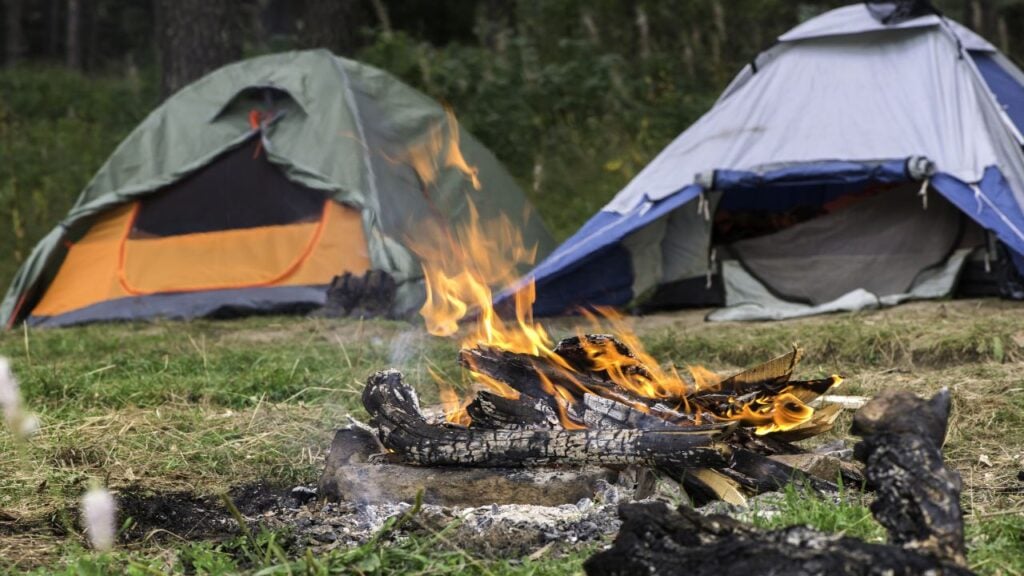
An Ohio state park campsite doesn’t offer a grace period past checkout, not even fifteen minutes.
The office sends a bill for a night nobody planned to book instead, and that’s just one rule that catches campers off guard.
8 Ohio State Park Rules That Ruin a Campsite When Broken
8 Rules About a Neighbor’s Tree That Ohio Homeowners Get Wrong
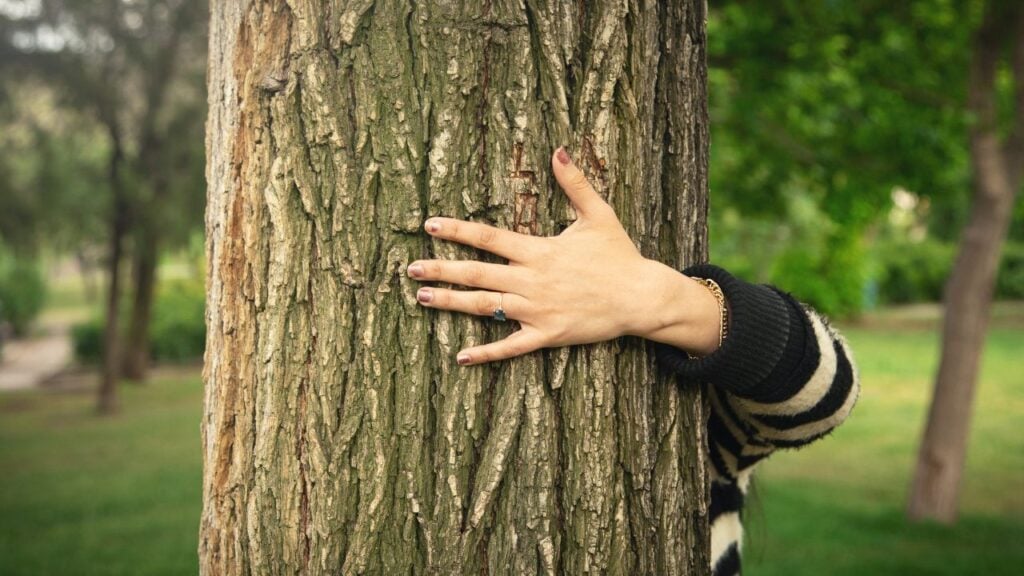
A tree branch that snaps a fence or dents a driveway doesn’t need a lawyer to settle in Ohio.
Small claims court caps out at $6,000, low enough to cover many tree disputes, but knowing which rule applies trips up many homeowners.
8 Rules About a Neighbor’s Tree That Ohio Homeowners Get Wrong
