
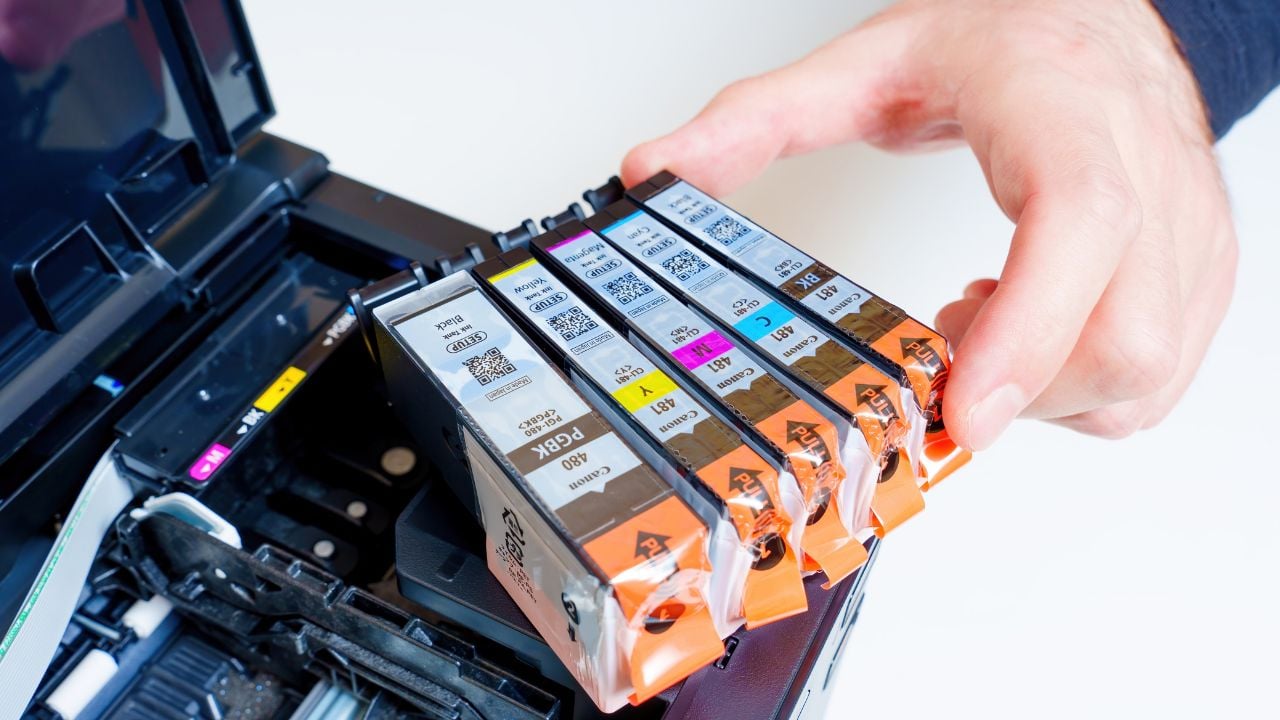
9 Printer Costs New Hampshirites Don’t See Until the Ink Runs Out

Consumer Reports tested a shelf of ink cartridges and found replacement ink running $13 to $95 an ounce, with the cheapest tier still costing more than twice as much as Dom Pérignon champagne, ounce for ounce.
Most printer owners never see that number.
These are the printer costs New Hampshirites and printer owners everywhere don’t see until the ink runs out.
Note: This is general information, not legal or financial advice. Prices, warranty terms, and subscription plans are subject to change.
1. Paying the Subscription Fee Anyway
HP’s Instant Ink plans start at $0.99 a month for up to 10 printed pages and climb to $24.99 for 700.
That charge lands every month, whether the printer sees one sheet of paper or none.
The meter never pauses.
Unused pages roll into a small bank, capped at a multiple of that month’s allowance, so a slow month doesn’t fully erase what was already paid.
The Instant Ink Math
HP’s Instant Ink Light plan bills $0.99 every month whether anyone prints a single page or not.
Five years on that plan add up to $59.40, a bill that keeps running for as long as the printer stays plugged in.
A standard HP 67 cartridge bought outright costs $22.99 for about 120 pages and only gets bought again once those pages are used.
2. Losing Cartridges to a Cancellation
HP’s Instant Ink terms of service spell out what happens the moment a subscriber cancels.
The terms state plainly that once the service ends, “HP will remotely disable the Subscription Cartridges,” and printing with them stops.
There’s no more ink, no matter how full it was.
A subscriber who cancels mid-cartridge loses whatever ink is left inside it, even if it’s nearly full because the chip inside the cartridge stops it from firing.
3. Trusting an Automatic Update
HP printers run a system called Dynamic Security, and a firmware update can turn it against cartridges the printer used to accept without complaint.
A 2020 lawsuit says HP’s Dynamic Security update that November made printers reject third-party cartridges customers had already been using, without warning, according to court filings.
One update, and the ink stopped mattering.
HP settled the case in March 2025 and agreed to keep letting owners decline the update that triggers the block, but paid no refunds and admitted no wrongdoing.
4. Running Dry on One Color
Brother’s support pages spell out a rule that catches many owners by surprise: the printer stops printing entirely, black text included, the moment any single cartridge runs empty.
Brother says the shutdown protects the print head and keeps print quality consistent.
Black ink alone doesn’t save you.
Some models allow a temporary black-only workaround buried in the print settings, but Brother’s instructions say it lasts about four weeks before the color cartridge has to be replaced anyway.
5. Where the Warranty Breaks Down
HP’s limited printer warranty doesn’t disappear the moment a shopper loads a cheaper cartridge, despite what many owners assume.
Federal law backs that up because the FTC says a company cannot void a warranty just because a customer used a part someone else made.
The catch sits one clause over.
HP’s warranty document says that if a non-HP or refilled cartridge causes damage, HP will charge its standard time-and-materials rate to fix it, and that bill lands outside the warranty entirely.
6. Paying More Than Champagne
Printer ink can cost more per ounce than many things people consider expensive on purpose.
Consumer Reports found replacement cartridges running $13 to $95 an ounce, depending on the model.
The math swings wildly within a single store.
One HP cartridge in that test worked out to $93 an ounce, while a different HP cartridge, sold right next to it, worked out to $15.38.
The gap comes down to how each cartridge is built and how many ounces it holds, not the sticker price alone.
Psst! Curious how the different ways to buy ink stack up? Tap through this table and see which method wins for your printer.
7. Replacing the Whole Printer
A brand-new printer can cost about the same as the ink it takes to refill an old one, and sometimes less.
A 2009 PCWorld price check found one HP model selling for $29.99 while a two-cartridge replacement combo for that same printer cost $31.99, a two-dollar gap in the printer’s favor.
The razor is cheap. The blades pay for it.
Manufacturers call this the razor-and-blades model outright: sell the printer near cost, then make the money back one cartridge at a time.
8. Hitting a Recycling Wall
HP runs a free take-back program called Planet Partners for empty cartridges, but the fine print only covers HP’s own products by name.
The program accepts nearly every original HP cartridge, plus Samsung toner, and turns away everything else.
Buy the cheaper ink, and the free recycling disappears with it.
Owners who switch to compatible or refilled cartridges to dodge the per-ounce math have to find a disposal route on their own, since HP’s program won’t take a cartridge it didn’t make.
9. Burning Ink Before It Prints
Printers themselves eat a chunk of every cartridge before a single word prints, according to Consumer Reports.
Testing found some models deliver only 20% to 30% of a cartridge’s ink onto the actual page.
The cartridge empties whether anyone printed or not.
The rest goes to internal cleaning and priming cycles that fire every time the printer powers on, switches cartridges, or sits unused for a stretch.
A printer that sits idle for weeks between print jobs can burn through more ink keeping its nozzles clear than it uses on the pages that come out.
Printing something every week, even a single test page, keeps that cleaning cycle from running as often and stretches a cartridge closer to the page count printed on the box.
7 Reasons New Hampshirites Drive Past Two Stores to Reach Market Basket
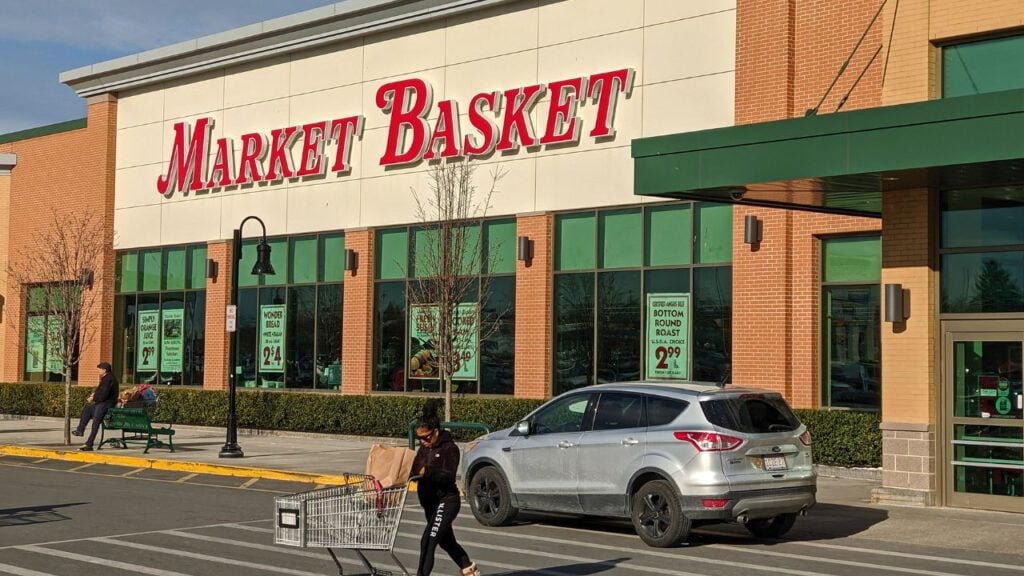
A Patch reporter once ran the identical grocery list through a Shaw’s and a Market Basket on the same day and tallied both receipts side by side.
One store’s total came in lower every time, and that gap is why so many New Hampshirites drive right past a closer option.
7 Reasons New Hampshirites Drive Past Two Stores to Reach Market Basket
