
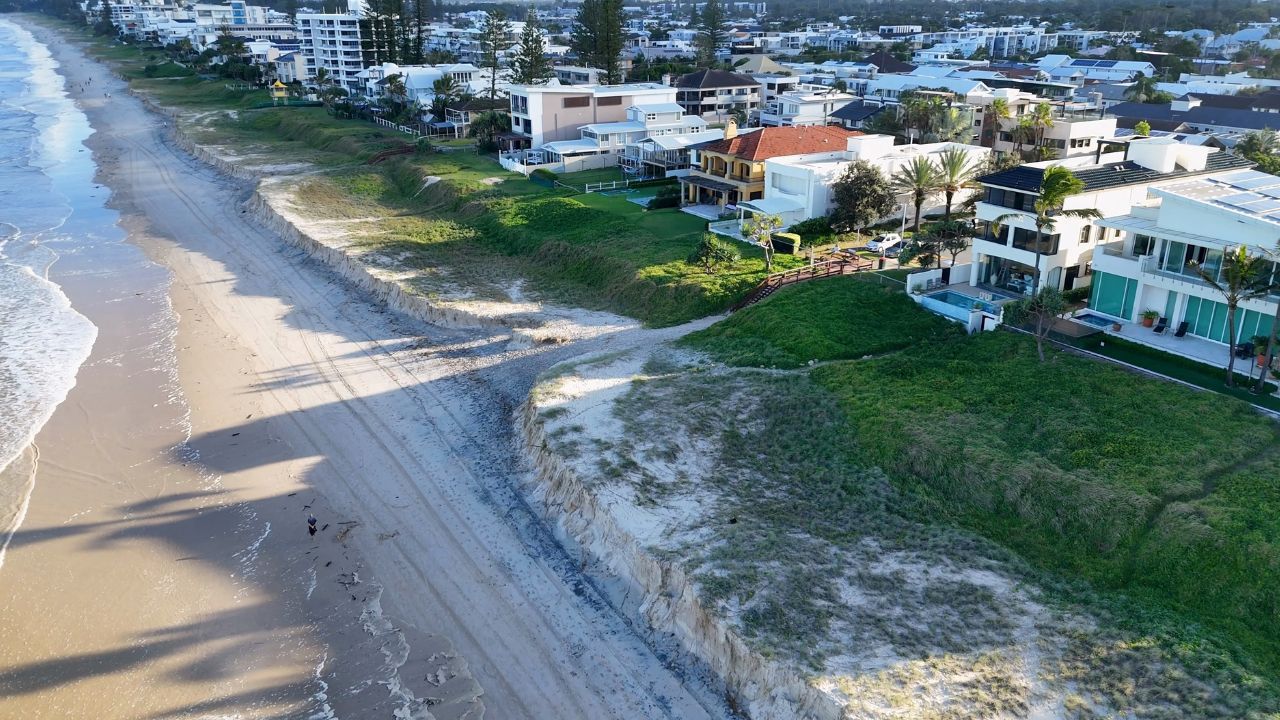
8 Beach Erosion Rules That Cost South Carolina Owners Their Building Rights

A beachfront lot in South Carolina can be perfectly legal to build on today and off-limits in a decade, without the owner changing a single thing.
South Carolina’s coastal regulators redraw the lines that govern beachfront construction on a set schedule, and those lines decide who can rebuild, who can expand and who loses the right to build at all.
These are the beach erosion rules that cost South Carolina owners their building rights.
Note: This is general information, not legal advice. Beachfront building and permit rules are subject to change, so confirm the current requirements with the South Carolina Department of Environmental Services.
1. Setback Line Formula
The state draws a setback line landward of every beachfront lot’s baseline, and the math behind it catches many owners off guard.
The setback distance equals 40 times a property’s average annual erosion rate, or 20 feet, whichever is greater.
No two lots erode alike.
A fast-eroding lot can lose hundreds of feet of buildable land in one formula.
A slow-eroding one down the beach keeps nearly its whole lot, so two neighbors on the same street can end up with wildly different building envelopes.
2. 5,000-Square-Foot Cap
South Carolina still allows some new construction seaward of the beach setback line, but only inside a hard ceiling.
Any new habitable structure built in that zone is capped at 5,000 square feet of heated space, no matter how large the lot underneath it is.
Square footage doesn’t bend.
A larger dream home simply doesn’t qualify.
It gets scaled down to fit the cap or pushed landward of the setback line, where the size limit no longer applies.
The Name on the Building Permit Changed in 2024
South Carolina beachfront owners are dealing with a newer state agency than the one their neighbors dealt with a few years back.
The former Department of Health and Environmental Control, known as DHEC, split apart on July 1, 2024, and its coastal permitting duties moved to the newly created South Carolina Department of Environmental Services.
Old paperwork and old permits still reference DHEC.
New applications go through the Department of Environmental Services’ Bureau of Coastal Management instead.
3. No Building on the Primary Dune
State law treats the primary oceanfront dune as off-limits territory, not a buildable feature of the lot.
Construction on the primary dune, the active beach or inside a beach or dune critical area is barred outright, regardless of what the setback math allows elsewhere on the property.
Nothing landward changes that.
An otherwise-compliant house design still gets rejected if any part of it reaches into that protected strip of sand.
4. 66.67% Damage Rule
The state lets storm-damaged beach houses come back, but only under conditions that can shrink what gets rebuilt.
Past that number, the rules tighten.
Once a structure is damaged beyond 66.67 percent of its value, the replacement can’t sit farther seaward than the original.
It can’t carry more square footage seaward of the setback line than before, and it has to move as far landward as the lot allows.
A hurricane can hand an owner a smaller, more restricted version of the same house.
Psst! Think you know South Carolina’s coastline? Take our quiz and see how many you can get right.
Quiz
South Carolina Coastline Trivia
Eight questions on the storms, islands and engineering that shaped South Carolina’s coast.
What year did South Carolina pass the Beachfront Management Act, the law that still governs beachfront construction today?
5. Forced Removal When Erosion Catches Up
Regulators can order an owner's house removed even when nothing about the house itself has changed.
If ongoing erosion leaves a permitted structure sitting on the active beach, the state can order it removed, and the cost of tearing it down falls on the property owner, not the state.
The house didn't move.
The beach did, and South Carolina's rules put that bill on whoever holds the deed.
6. Seawall and Groin Ban
Owners can't fight erosion with a hard barrier, at least not a new one.
New erosion-control structures, seawalls and groins included, aren't allowed anywhere in the beach and dune system, the critical areas or the active beach.
Older, grandfathered structures can stay.
They just can't be enlarged or rebuilt once they fail, which leaves some owners defending a crumbling wall they're not allowed to replace.
7. Pools and Decks Follow the Same Threshold
State rules don't treat a pool or a deck as a minor add-on out there.
Same threshold, no exceptions.
Pools, decks and gazebos all need separate permits, and a pool destroyed beyond repair faces the same 66.67 percent damage threshold that governs the house.
An owner who assumes the pool is separate from the house rules finds out otherwise the first time they try to rebuild one.
8. Baseline Can Move
The state reviews and redraws its beachfront baselines and setback lines on a set cycle, not just after a single storm.
The clock never stops.
Nothing about the house itself has to change for the map underneath it to shift.
The state updates its beachfront lines roughly every 7 to 10 years, with the most recent review cycle beginning no earlier than 2024.
An owner's house can end up on the wrong side of a line that didn't exist when they built it.
6 Rules That Decide When a South Carolina County Can Haul Off a Car in Your Yard
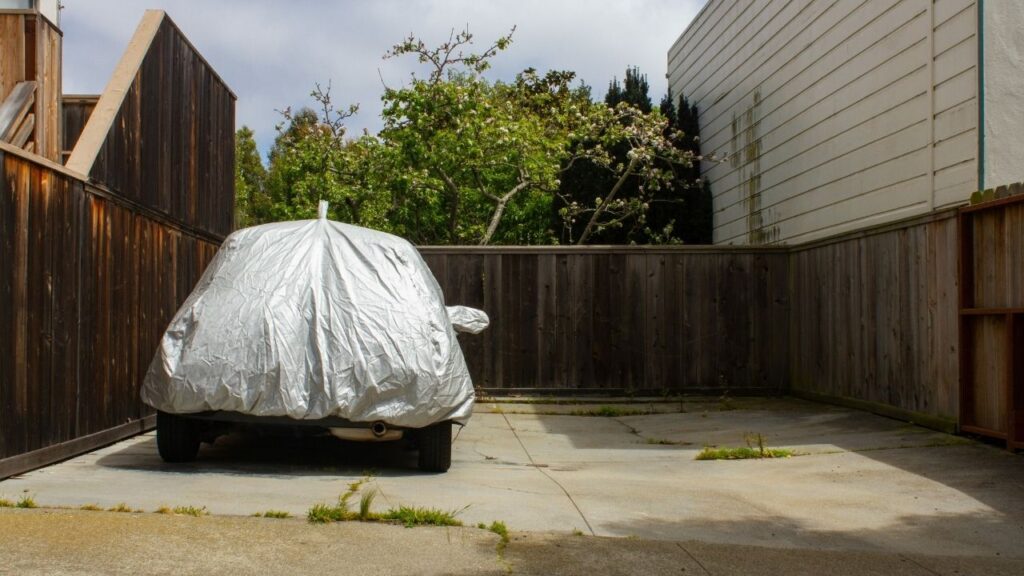
An old car sitting in a South Carolina yard might be perfectly legal today and a county problem tomorrow.
The difference often comes down to condition, placement and how many other vehicles share the same lot.
6 Rules That Decide When a South Carolina County Can Haul Off a Car in Your Yard
8 Funeral Home Fees South Carolina Families Agree To Without Seeing a Price List

Would you sign off on a funeral home bill before seeing a single price on it?
A lot of South Carolina families do exactly that, and the fees add up fast once the paperwork starts.
8 Funeral Home Fees South Carolina Families Agree To Without Seeing a Price List
