
4 Regional BBQ Styles That Divide North Carolina Neighbors

North Carolina lawmakers once tried to settle a barbecue fight with a bill.
The bill didn’t get far.
That fight over whose barbecue deserved statewide recognition split lawmakers along the same lines pitmasters have argued over for decades.
These are the regional barbecue styles that still divide North Carolina neighbors, plate by plate.
1. Eastern Whole-Hog
Eastern North Carolina barbecue starts with the whole hog, not a cut of it.
Pitmasters split the entire animal, cook it low over hardwood coals, then chop the meat together once it’s done.
A whole hog can take anywhere from 8 to 24 hours over the coals before it’s ready to chop.
No tomato touches it.
The sauce is a thin pour of vinegar, salt, and red pepper.
North Carolinians’ appetite for pork goes back centuries, and a Virginia visitor remarked on how much of it colonists ate as far back as 1730.
Coastal towns like Wilson and Greenville built a good bit of their identity on it, and Parker’s Barbecue in Wilson has served the style for generations.
Every part of the hog goes into the mix, shoulder and ham and rib meat alike.
2. Lexington’s Tomato Dip
Lexington-style barbecue skips the whole hog and cooks pork shoulder only.
The sauce is still vinegar-based, but Piedmont cooks stir in ketchup, which turns it red, a little sweeter, and noticeably thicker.
Locals just call it dip.
Lexington Barbecue and Stamey’s in nearby Greensboro have built decades of regulars on that exact sauce, and neither restaurant touches a tomato-free bottle.
The rivalry runs deep enough that North Carolina lawmakers debated it directly in 2005, when Lexington pushed to make its barbecue festival the state’s official festival.
How the Barbecue Vote Ended
North Carolina’s barbecue fight went to a vote.
The 2005 push died in the House amid backlash from Eastern-style advocates.
Reps. Jerry Dockham and Hugh Holliman brought it back in 2007 under a different name, the State Food Festival.
The House passed that version 98 to 12, but five state senators still voted no, their opposition scattered across the state rather than concentrated in one region.
What became law names just one region, the Piedmont Triad, never the whole state.
3. Chopped, Sliced, or Outside Brown
North Carolina’s Piedmont barbecue joints cut the same pork shoulder into three different plates, and regulars split hard over which plate is right.
Chopped comes fine and mixed, dip sauce worked all through it.
Sliced lands in whole pieces instead, sauce poured over rather than stirred in.
Outside brown loads the plate with the shoulder’s dark, smoky bark instead of the tender meat inside.
Same shoulder, three verdicts.
It’s a bark-first plate for regulars who think the crust carries more flavor than the meat underneath.
Stamey’s and the Barbecue Center see the same divide play out at the counter.
Regulars who stick to chopped every visit stand apart from regulars who won’t take anything but outside brown.
4. Red Slaw vs. White Slaw
Barbecue plates carry a second signal of which style they belong to, sitting right next to the meat.
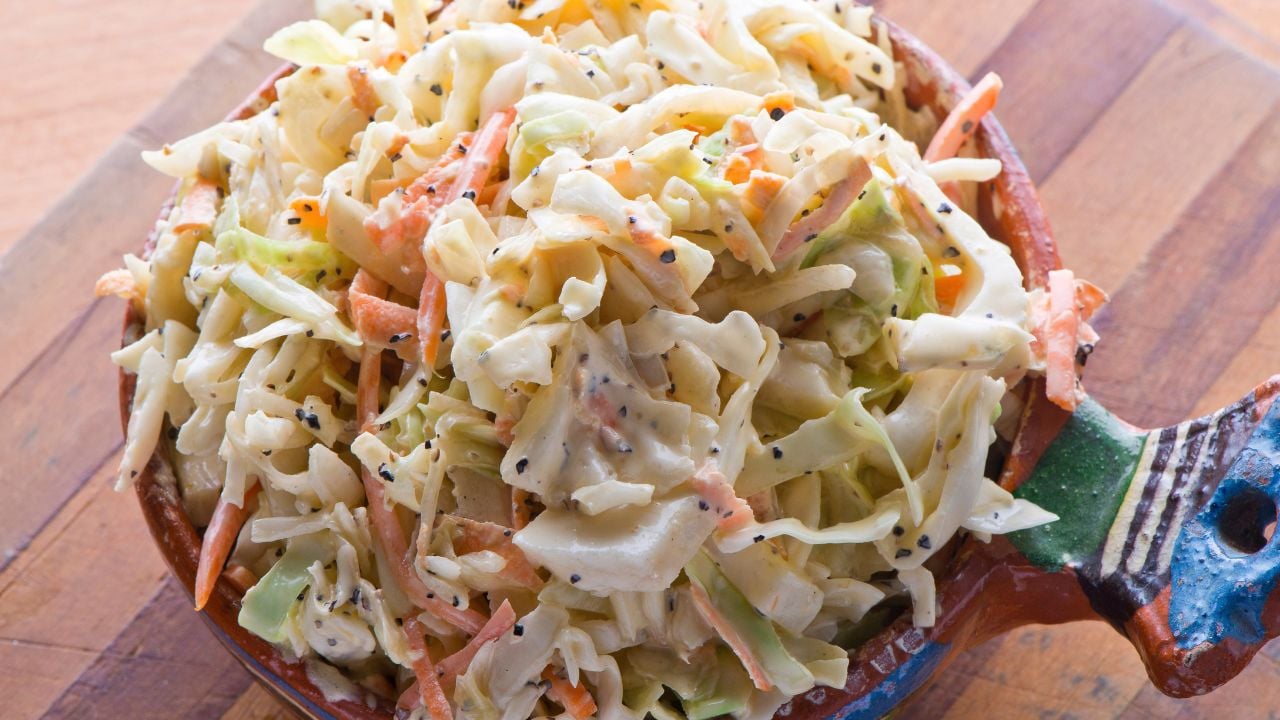
Lexington-style plates come with red slaw, cabbage mixed with vinegar and ketchup instead of mayonnaise.
Eastern whole-hog plates go the other way, with a mayonnaise-based white slaw standing in for that same side.
Vinegar shows up in both bowls, but only one recipe reaches for the ketchup bottle.
The color gives it away.
Order a sandwich instead of a plate, and the slaw usually rides right on top of the pork instead of sitting on the side.
The slaw on a plate in Lexington, or in Wilson, gives away its tradition before the fork ever gets there.
Ayden’s Cracklin’ Whole-Hog
The Skylight Inn in Ayden takes Eastern North Carolina whole-hog barbecue and pushes the style one step further.
Pete Jones opened the restaurant in 1947, and the kitchen has chopped crisped pork skin directly into the meat ever since.
That skin adds a crunch a plain chopped hog never has.
Hickory and oak fuel the pit today.
The Skylight Inn became one of the first two North Carolina barbecue restaurants to win a James Beard Foundation America’s Classics award, back in 2003.
Lexington Barbecue won the same award that same year.
Pete’s grandson Sam Jones carried the same skin-in-the-chop method to his restaurant in Raleigh.
The restaurant earned a Michelin Bib Gourmand there, in the guide’s first year covering the American South.
Two generations, one style.
Psst! Compare all of North Carolina’s barbecue styles side by side, sauce to slaw.
The Society That Won’t Pick a Side
The state eventually built a nonprofit just to keep the peace on this regional fight.
The North Carolina Barbecue Society formed in 2006, and it built its mission around defending North Carolina barbecue as a whole rather than crowning one region’s plate.
On purpose, not by accident.
State lawmakers had already waged that same fight in the legislature, first in 2005 and again in 2007, on either side of the Society’s founding.
Its Historic Barbecue Trail sends visitors to restaurants across the state, whole-hog joints and shoulder houses alike.
The Society’s barbecue boot camps teach both methods over the same two days, whole hog and shoulder, side by side.
The two barbecue camps have argued for generations, and the Society built its trail to avoid picking a side.
A stop still cooking whole hog in Ayden sits on that same list right alongside a stop still cooking shoulder in Lexington.
The Ayden stop is whole-hog. The Lexington stop is shoulder. Both are still standing.
5 Things That Change in North Carolina’s Beach Towns Once School Starts Back
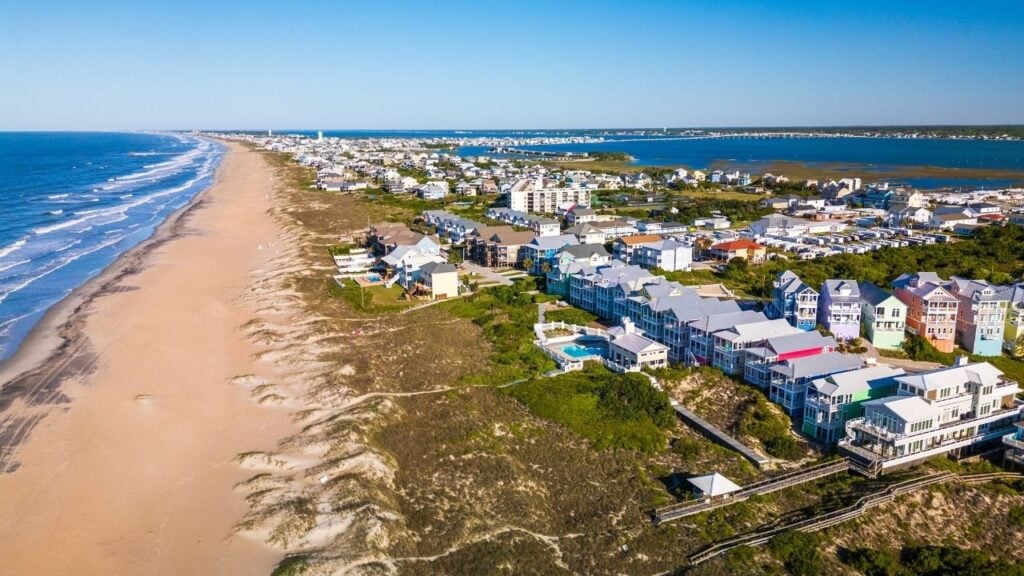
A North Carolina beach town in July and that same town in September barely look like the same place.
Once the buses start running again, the crowds thin out fast, and a few small things change for the people who live there.
5 Things That Change in North Carolina’s Beach Towns Once School Starts Back
8 Blue Ridge Parkway Mistakes That Turn a North Carolina Leaf Drive Into a Bad Day
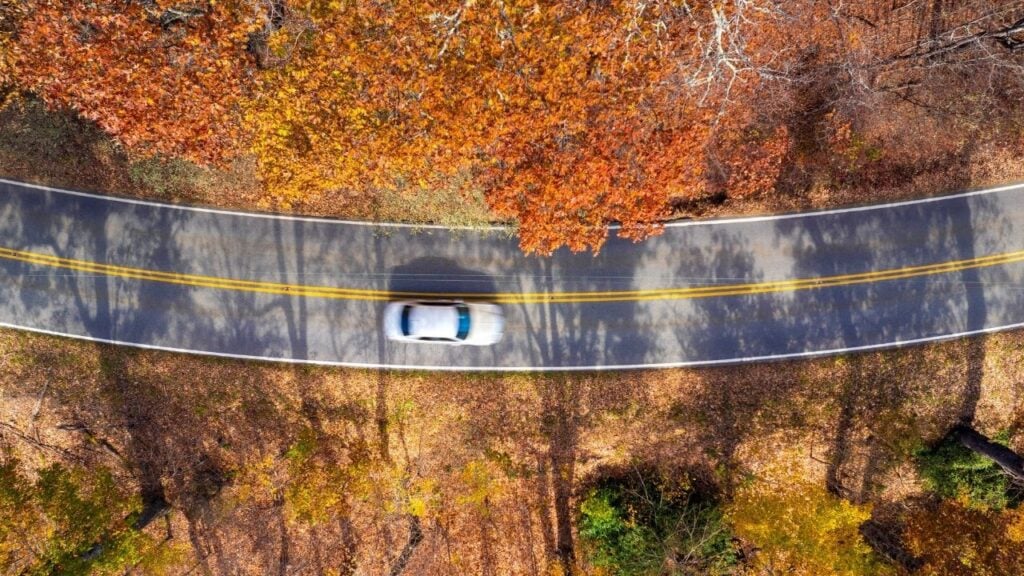
The Blue Ridge Parkway looks easy on a map, right up until a closed overlook or a fogged-in ridge throws the whole day off.
A little planning turns a frustrating crawl behind leaf-peepers into the drive North Carolina promises.
8 Blue Ridge Parkway Mistakes That Turn a North Carolina Leaf Drive Into a Bad Day
