
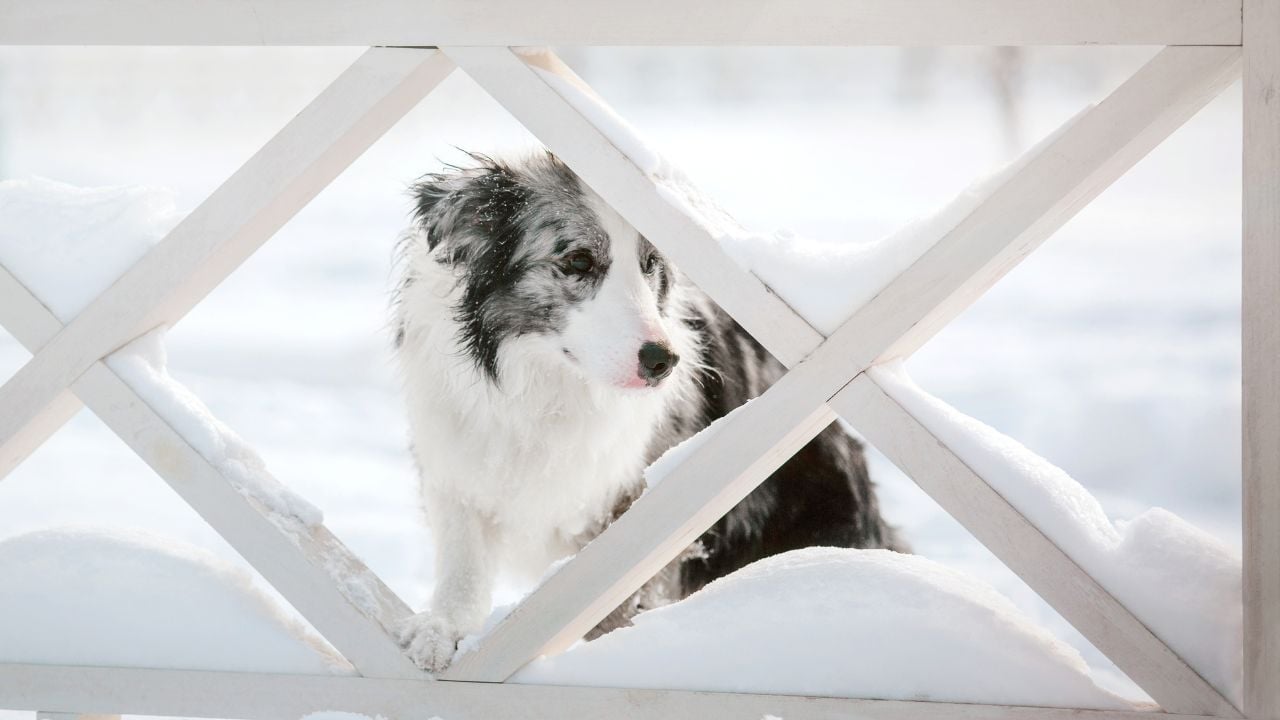
7 Cold-Weather Signs Veterinarians Want Wisconsin Dog Owners to Watch For This Fall

A dog doesn’t need a blizzard to end up in a vet’s exam room this fall.
Green Bay’s average first frost falls close to Sept. 27, according to seasonal tracking by a local television meteorologist covering northeastern Wisconsin.
A hard freeze follows about ten days later.
These are the cold-weather signs vets want Wisconsin dog owners to watch for this fall.
1. Shivering and Whining
Your dog’s body reacts to a sudden cold snap well before anything looks like an emergency.
Shivering comes first.
The American Veterinary Medical Association lists whining, shivering, and slowing down among the early warning signs that a dog has gotten too cold.
Seeming weak, or hunting for a warm spot to burrow into, rounds out that list.
A dog that suddenly stops moving on a walk, or starts pawing at a heating vent, is asking for help in the only way it can.
Whining with no clear cause during a cold snap is worth listening to instead of brushing off.
Cold-Weather Thresholds
A dog’s tolerance for cold comes down to coat, size, age, and health, not just the number on the thermometer.
The Twin Cities-based Animal Humane Society says a dog’s outdoor time should shrink to quick bathroom breaks once temperatures drop into the single digits.
Short-haired, thin, elderly, or small dogs need that limit even sooner, since they lose body heat faster than a thick-coated breed built for Wisconsin winters.
2. Lifting Paws or Refusing to Walk
Your dog often signals discomfort in its feet before it ever whines about the cold.
A dog standing with one paw lifted, or hunched over with its tail tucked against a cold sidewalk, is telling you something worth noticing.
It isn’t a bad mood.
The Animal Humane Society lists paw lifting, a tucked-tail hunch, and a sudden reluctance to keep walking among the clearest signs that a dog wants back inside.
Sidewalks and driveways often carry rock salt or ice-melt once temperatures drop.
A dog reading that surface through bare paws feels it long before a person in boots does.
3. Cracked or Bleeding Paw Pads
Your dog’s paw pads take the most direct hit from winter, and the signs of damage aren’t always obvious right away.
Ice can pack itself between the toes on a long walk, and that buildup alone is enough to change how a dog moves.
That limp shows up fast.
The American Veterinary Medical Association and the University of Wisconsin School of Veterinary Medicine both flag paw pad injuries as a distinct winter risk.
Dry air, road salt, and packed ice all work on the same skin, and a pad that looks fine in the driveway can crack open two blocks into the walk.
A cracked or bleeding pad isn’t just irritated skin.
It’s an open wound that can let in bacteria, and that’s why vets treat it as more than a rough patch to walk off.
4. Excessive Paw Licking After Walks
Your dog’s tongue often works overtime the moment a cold-weather walk ends.
Road salt and de-icers stick to fur and paw skin, and a dog licking to get the sting off can end up swallowing both.
The risk isn’t the walk.
The University of Wisconsin School of Veterinary Medicine warns that salt causes mouth and stomach irritation once it’s licked off, on top of the skin irritation it causes on contact.
That licking isn’t just cleanup after a walk.
It’s swallowing the same salt that irritated the skin in the first place, which is what turns a paw problem into a stomach problem too.
Psst! How winter-ready is your dog? Run through this checklist and see where you stand.
5. Sudden Stiffness or Limping
Your dog’s joints often feel a cold snap before anything else does, especially if arthritis is already part of the picture.
Standing up takes longer.
The University of Wisconsin School of Veterinary Medicine names arthritis among the conditions that can visibly worsen once outdoor temperatures drop.
Diabetes, heart disease, kidney disease, and hormonal imbalances can also make it harder for a dog to regulate body temperature in the cold, separate from arthritis pain flaring up.
A dog that normally bounds off the porch and instead eases down the steps one at a time is showing joint pain, not just caution.
That stiffness tends to ease once the dog warms up and moves around, which is part of what makes it easy to dismiss as nothing.
6. Discoloration on Ears, Tail, or Paws
Your dog’s ears, tail, and paws sit farthest from the heart, making them the first tissue the cold affects.
Pale skin comes first.
Veterinary Centers of America (VCA) Animal Hospitals describes frostbitten skin as pale, gray, or bluish, cold and brittle to the touch, and painful once it starts to thaw.
Below 32 degrees Fahrenheit, blood vessels pull back from the extremities to protect the body’s core, the same process that can lead to frostbite in prolonged, extreme cold.
Temperatures regularly fall well below that mark for stretches at a time, and the ears, tail, and paws deserve a second look after any long stretch outside.
Blisters or blackened skin mean the damage has already progressed, and that calls for a vet visit, not a wait-and-see approach.
7. Wobbliness, Vomiting, and Extreme Thirst
Your dog faces one more fall hazard that has nothing to do with the temperature outside.
Antifreeze is the hazard.
Owners winterize cars and top off radiators every fall, and a few sweet-smelling drops on a garage floor are enough to poison a curious dog.
The American Kennel Club lists the early stage-one signs as lethargy, wobbliness or staggering, vomiting, and unusually heavy thirst and urination.
All of it can start within 30 minutes to 12 hours of exposure.
Those signs can look like heat exhaustion or a stomach bug, and owners often miss antifreeze poisoning for exactly that reason, until it’s already serious.
A dog showing any of these signs after time in the garage or driveway needs a veterinarian immediately, not a wait to see if it passes.
Getting Ahead of the First Freeze
Dog owners get less warning than the calendar suggests.
The lead time is short.
By late September, a local meteorologist’s seasonal tracking puts the region’s first hard freeze around Oct. 7, roughly ten days after Green Bay’s average first frost.
A dog used to loose September routines hasn’t built up any resistance to that first cold snap.
The Wisconsin Humane Society tells owners to keep dogs leashed through snow and ice cover.
Scent trails disappear fast in fresh snow, and a dog can end up blocks from home before anyone notices it’s missing.
6 Kwik Trip Habits Costing Wisconsin Shoppers More Than They Notice
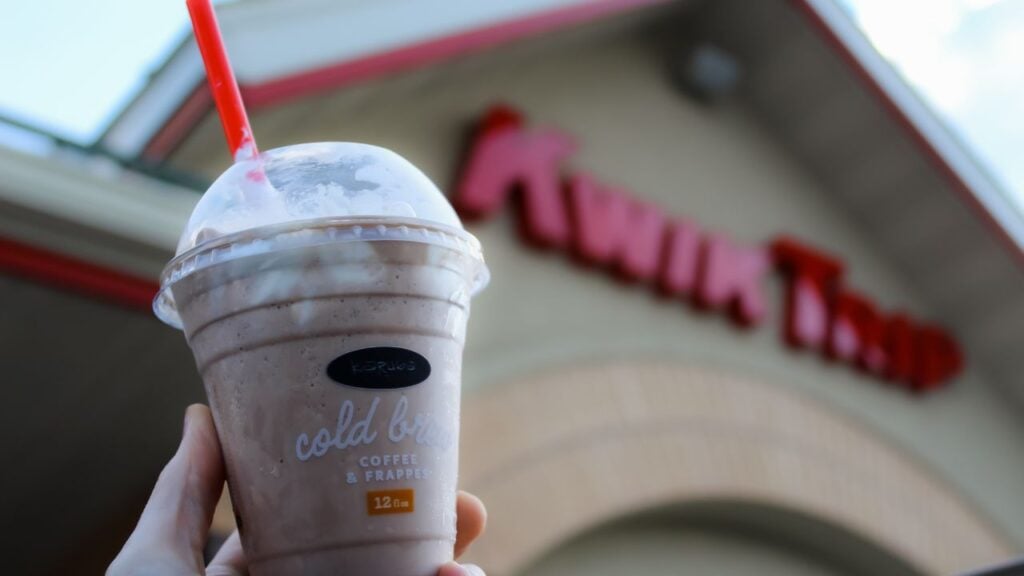
Roughly 80% of what’s stacked on a Kwik Trip shelf is the chain’s private-label product, which is part of why it beats many traditional grocery stores on price and freshness.
But people who run on autopilot at the register still lose out under its rewards program, and a few habits are costing shoppers more than they realize.
6 Kwik Trip Habits Costing Wisconsin Shoppers More Than They Notice
9 Wisconsin Supper Club Rules Outsiders Break Without Knowing
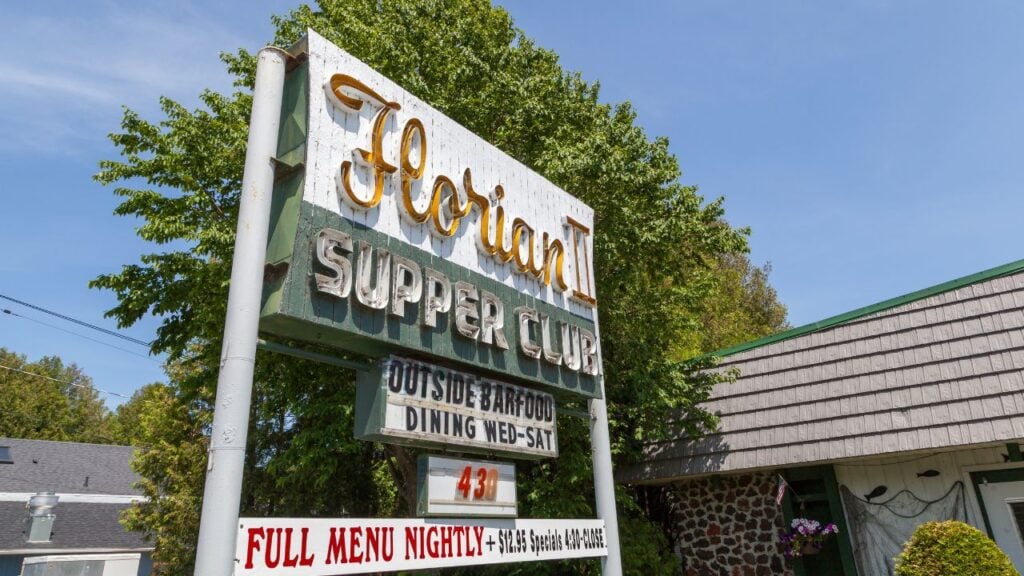
A first-time visitor orders an Old Fashioned at a Wisconsin supper club expecting bourbon, and the bartender pours brandy without asking.
The follow-up question comes just as fast, asking whether the drink should be sweet, sour, or pressed, and getting it wrong marks a visitor as new to the custom.
9 Wisconsin Supper Club Rules Outsiders Break Without Knowing
