
7 In-N-Out Drive-Thru Habits That Are Second Nature to Californians

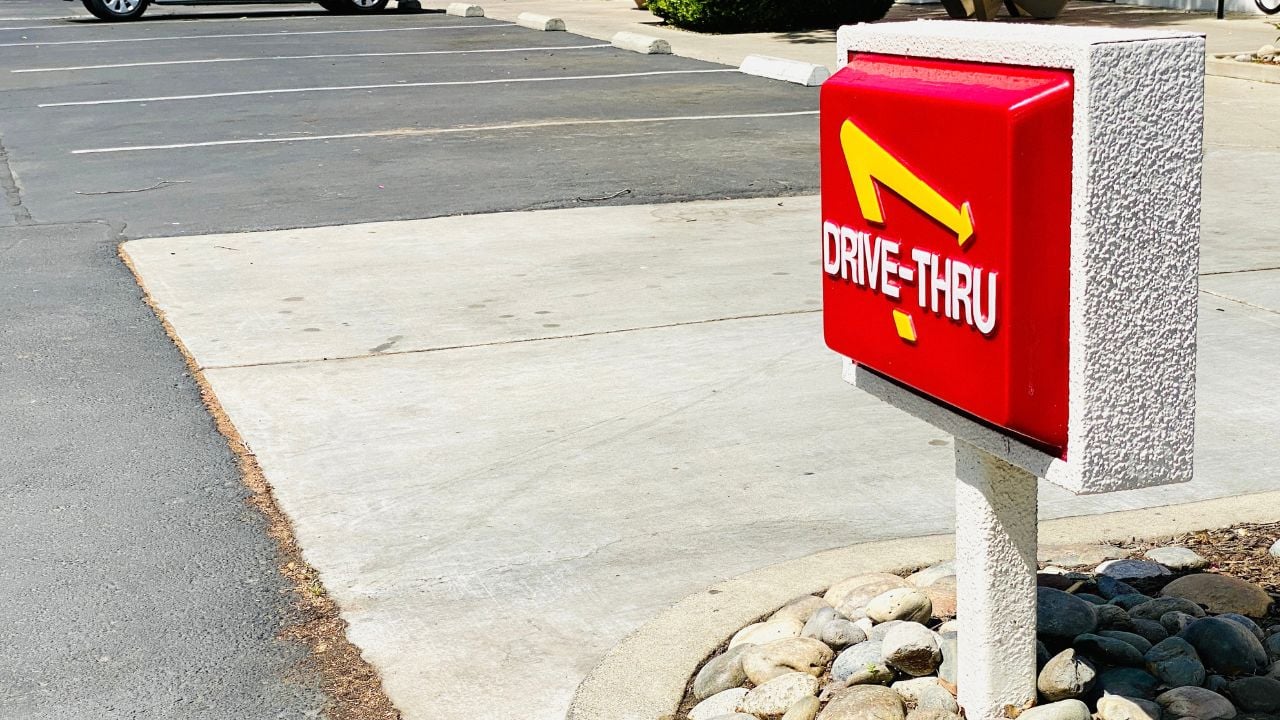
Culver City’s council slapped a moratorium on new drive-thrus this summer, after residents balked at an In-N-Out proposal built around a 26-car queue.
Twenty-six cars barely fazed regulars.
That’s because growing up on In-N-Out drive-thrus teaches you that the fast-food chain is almost always busy.
These are the In-N-Out drive-thru habits that are second nature to Californians.
1. Checking the Wrapper
In-N-Out prints a Bible verse citation on almost every cup and wrapper it hands across the drive-thru window.
A regular’s eyes flick to the small type before the window even shuts.
The practice goes back to the early 1990s, when a member of the Snyder family started working small citations into new packaging.
No menu board explains it, and no cashier mentions it at the window either.
A Californian who grew up on Double-Doubles stopped asking what it means years ago, while a newcomer digging through the bag at the next stoplight usually finds it by accident.
What’s Printed Where
In-N-Out doesn’t print the same verse at every drive-thru window.
Soda cups carry John 3:16, and milkshake cups carry Proverbs 3:5 instead.
A plain hamburger or cheeseburger wrapper carries Revelation 3:20, while a Double-Double wrapper carries Nahum 1:7.
Fry boats and hot drink cups split the difference, with Proverbs 24:16 on one and Luke 6:35 on the other.
2. Crossed Palms
In-N-Out plants palm trees crossed into an X outside many of its drive-thru lines, a detail Harry Snyder started working into new stores back in 1972.
The pattern echoes a scene from It’s a Mad, Mad, Mad, Mad World, the 1963 comedy where a fortune sits buried under a shape drawn in palm trees.
A driver stuck in the drive-thru line has nowhere else to look but up, and that’s exactly how generations of customers ended up noticing the palms crossed overhead.
Someone staring at their phone in the same line rarely looks up long enough to catch it.
3. Skipping the Cut Request
In-N-Out will still cut a burger in half at the drive-thru window if a customer asks, but keeping the line moving matters more to regulars than a neater burger.
Line cooks describe the request as a rush-hour headache, since a stacked burger has to come unwrapped, get rewrapped separately in two halves, and usually falls apart in the process.
A Double-Double holds together fine in two hands, so the scissors stay in the drawer and the car behind moves up one spot sooner.
4. Ordering With No App
In-N-Out runs its drive-thru with no mobile ordering and no delivery app anywhere in the chain.
In-N-Out’s chief executive, Lynsi Snyder, has defended the decision publicly, arguing that the greeting at the window matters more than shaving a few seconds off the wait.
A Californian pulls up, orders off memory, and never once reaches for their phone, the same reflex a modern drive-thru trained everyone else to drop.
5. Grabbing Extra Napkins
In-N-Out’s standard napkins are famously thin against a Double-Double dripping with the burger’s Thousand Island-style spread, and regulars ask for extra before they ever pull away from the drive-thru window.
In-N-Out packs napkins on top of the food inside the bag instead of handing them over separately.
The oil from a fresh burger can leave them unusable by the time a car reaches the next light.
A regular asks the second the window opens, while a first-timer usually finds this out with spread already on their jeans.
6. Parking and Walking In
In-N-Out’s inside counter line moves considerably faster than its drive-thru on a typical day, and a regular reads the drive-thru queue before ever joining it.
A long line settles it fast, so a regular parks, walks in, and skips the wait.
A regular circles the lot, finds a spot near the door, and walks in past a drive-thru line that hasn’t moved in ten minutes.
Someone following their phone’s turn-by-turn directions straight to the drive-thru lane never learns there’s a faster door twenty feet away.
Psst! How much do you know about drive-thru history and California fast-food trivia? Take our quiz and see if you can ace it.
Quiz
Drive-Thru History IQ
Answer nine questions on drive-thru history and California fast-food trivia. We bet you can’t get them all right. Prove us wrong?
A soldier’s uniform regulation, not a business plan, led to the first McDonald’s drive-thru window in 1975. Why couldn’t those customers walk inside?
7. Living With the Line
In-N-Out's drive-thru lines have grown long enough that entire city councils have stepped in, and regulars barely register it anymore.
Culver City had already fielded complaints about one In-N-Out line backing onto a residential street.
This new proposal added a 26-car queue and 61 parking spaces to the same corner.
The city council answered with a moratorium on new drive-thrus while a permanent ordinance works its way through the planning commission, not a final ban.
A Californian who's waited out a hundred slow lines already knows the drill.
Inch forward, don't block the cross street, and treat the smell of grilled onions as fair trade for the wait.
Other Cities' Zoning Fights
In-N-Out isn't the only reason a city has picked a fight with drive-thrus, but its lines keep bringing the fight back to the council agenda.
San Luis Obispo banned drive-thru restaurants outright back in 1982, decades before an In-N-Out line ever became a council agenda item there.
Some fights just resurface.
Palm Springs has spent two years hearing arguments over a single proposed In-N-Out, the kind of delay that never touches a drive-thru outside the state.
A Californian who follows local zoning fights already expects the next one, whichever city ends up hosting it.
A driver anywhere else in the country has never had to sit through a single hearing just to get a burger.
8 Things Californians Pack for the Sierra in September That First-Timers Leave Home
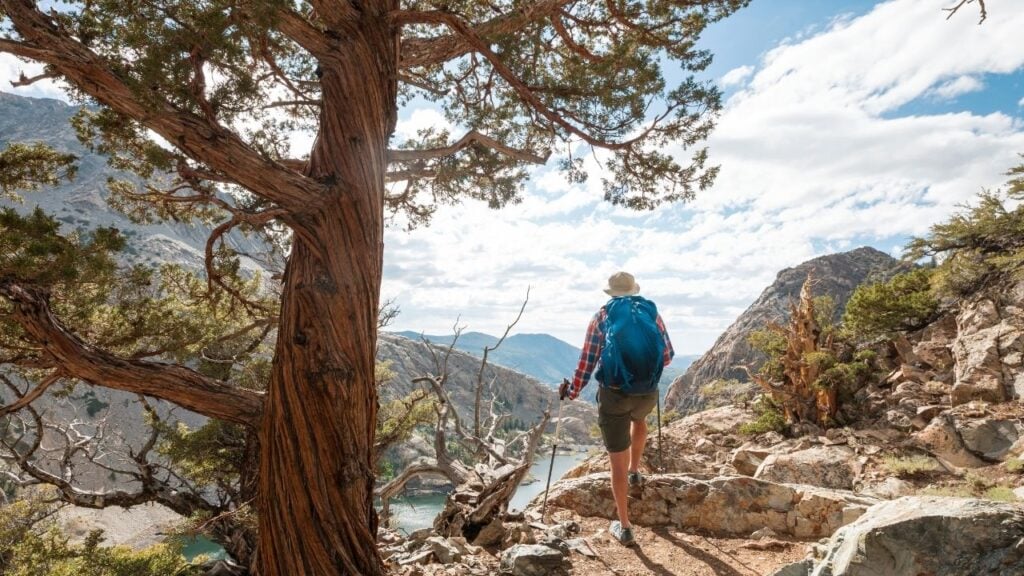
Sequoia and Kings Canyon stop requiring a reserved wilderness permit after Saturday, Sept. 26, and a self-issue form at the trailhead takes over from there.
Getting in gets easier, but staying comfortable up there gets harder once summer stops behaving like summer.
8 Things Californians Pack for the Sierra in September That First-Timers Leave Home
6 Fuel Price Assumptions That Cost Californians at the Wrong Chain
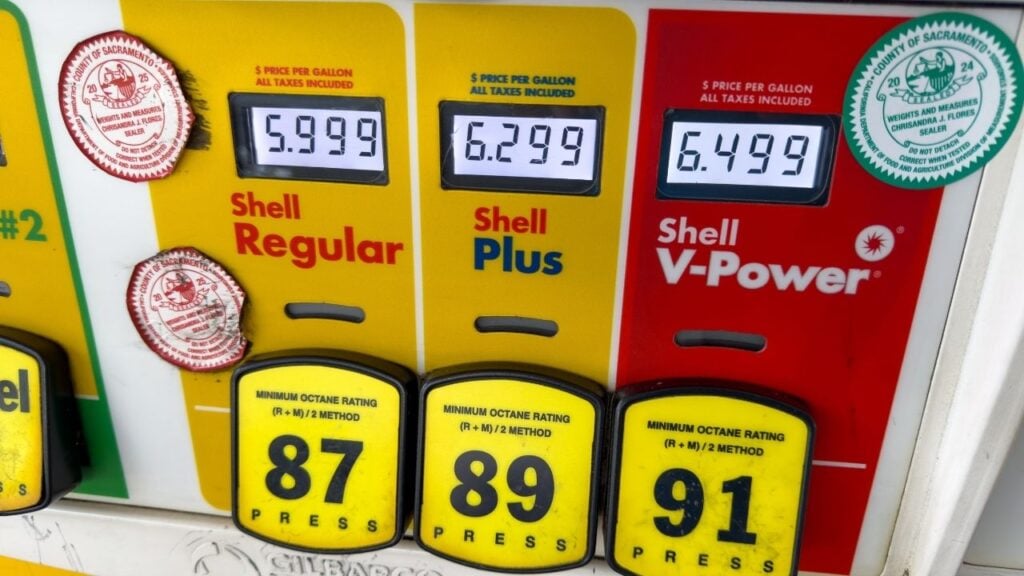
California's gas tax runs 63.4 cents a gallon, the highest base rate of any state, and that's before a single chain adds its markup on top.
A rewards app or a loyalty discount can look like it closes that gap, when it barely dents it.
6 Fuel Price Assumptions That Cost Californians at the Wrong Chain
