
6 New Mexico Community Property Rules That Change What a Surviving Spouse Keeps

Sorting out property is the last thing anyone wants to do after losing a spouse.
For New Mexicans, how a couple’s property is labeled can shape what the surviving spouse keeps.
These are the key facts to know.
Note: This is general information, not legal advice. Statutes and dollar amounts are subject to change, so confirm the current details with the New Mexico Courts self-help site.
1. Your Automatic Half
When your spouse dies, New Mexico’s probate code gives you one-half of the community property.
Your spouse’s will can direct only the other half.
Section 40-3-8 defines community property as property either of you acquired during the marriage that isn’t separate property.
Property either of you acquired before the marriage, or received as a gift or inheritance, stays separate, so it isn’t part of that half.
2. Dying Without a Will
Section 45-2-102 sends your spouse’s half of the community property to you when your spouse dies without a will.
With the half you already owned, that leaves you with all of the community property.
The statute passes exactly the half your spouse could have left by will.
It doesn’t tie that transfer to whether your spouse left children.
3. Who Pays the Bills First
Community property answers for community debts after a death, and that includes your half under section 45-2-807.
A different rule covers your spouse’s separate debts, the funeral expenses and the costs of administering the estate.
For those three items, the statute names only your spouse’s half of the community property as the backup.
Where Community Property Sits in the Payment Order
A deceased spouse’s separate debts, funeral expenses and administration costs come first from the deceased spouse’s separate property.
Joint tenancy property is excluded from that first step.
If the separate property falls short, those bills reach the deceased spouse’s undivided one-half interest in the community property.
Sections 40-3-10 and 40-3-11 each say they apply only while both spouses are living, not to debts after a death.
Section 45-2-807 sets the order for the items above.
4. Joint Tenancy Titles
If you and your spouse hold community property as joint tenants, that asset goes to you alone when your spouse dies, unless an exception applies.
According to a New Mexico State University extension guide, the title transfers the property immediately and automatically to the surviving joint tenant.
The New Mexico Courts self-help site says real estate held as joint tenants passes without probate.
Section 45-2-807 exempts joint tenancy community property from your spouse’s will.
Section 40-3-8 says the Community Property Act of 1973 doesn’t alter the right of survivorship, apart from a few exceptions.
Property a husband and wife acquire by a written title is presumed to be community property.
That holds whether they take title as tenants in common or as joint tenants, unless the property is separate.
Psst! How much do you know about community property after a death? Flip through these cards and see how many you can get right.
5. Stepped-Up Tax Basis
The Internal Revenue Service’s Publication 555 is a federal tax guide for married taxpayers in nine community property states, including New Mexico.
When one spouse dies, the fair market value of the community property, including the part that belongs to you, generally becomes the basis of the entire property.
That rule applies when at least half the value of the community property interest is included in your spouse’s gross estate.
The New Mexico State University guide calls the step-up a significant advantage of community property.
6. Both Signatures on the Deed
Section 40-3-13 requires both spouses to join in any transfer, conveyance or mortgage of community property that is real estate.
If your spouse signs a deed or mortgage alone, the statute makes it void.
Purchase-money mortgages are excepted, and so are transfers between the spouses.
A validly executed and recorded power of attorney lets one spouse act alone, too.
You can validate a document you didn’t sign by ratifying it in writing at any time.
If you outlive your spouse, a deed or mortgage your spouse signed alone is void unless an exception applies or you ratified it.
The Homestead Affidavit
A homestead owned as community property can pass to the surviving spouse without probate under section 45-3-1205.
That works when your spouse died without a will or left you the home in a will.
The whole home, including your spouse’s half, then passes to you without a probate case.
Six months after the death, you can record an affidavit with the county clerk.
Section 45-3-1205 caps the homestead’s value, as assessed for property taxes, at $500,000.
You also state that no request to appoint a personal representative or admit a will to probate is pending or has been granted, and that the estate has paid the funeral costs and unsecured debts and owes no federal or state tax.
The New Mexico Courts self-help site calls this filing an Affidavit of Surviving Spouse.
Written Agreements Between Spouses
Community property can change by agreement.
Section 40-3-8 lets you and your spouse designate property as separate in a written agreement, including a deed.
A New Mexico State University extension guide adds that spouses can agree in writing that one spouse’s separate property is community property.
Section 45-2-407 lets a surviving spouse waive certain estate allowances.
The waiver has to be a signed written contract, and it can come before or after the marriage.
A waiver isn’t enforceable if the surviving spouse proves the signing wasn’t voluntary.
The statute leaves that question, and the question of unconscionability, to the court to decide as a matter of law.
7 Things New Mexicans Are Tired of Hearing From Texans
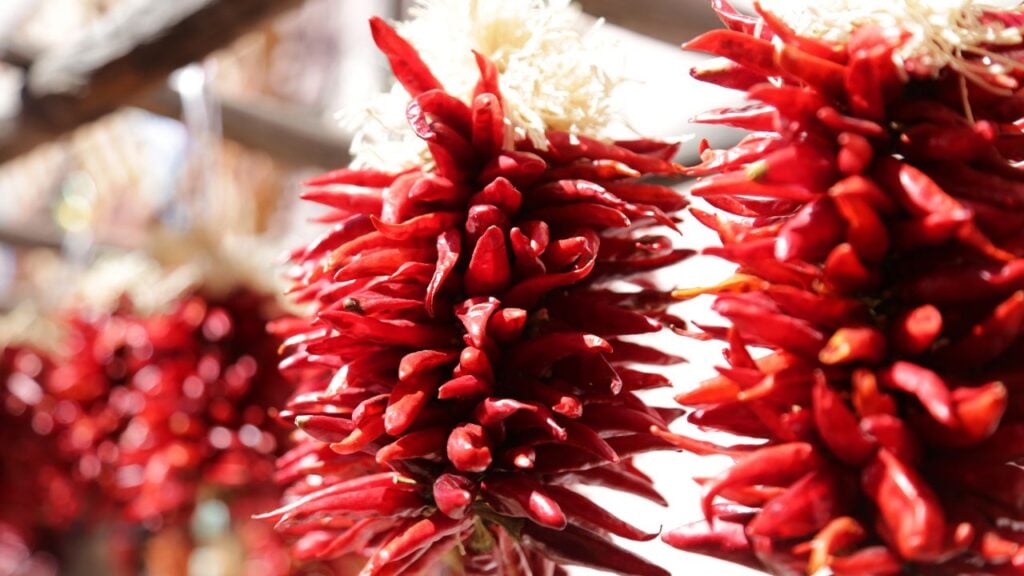
This list covers remarks that Texans make about New Mexico.
Some of them touch on the border the two states share.
7 Things New Mexicans Are Tired of Hearing From Texans
6 Things New Mexicans Do During Roasting Season That Out-of-Staters Never See
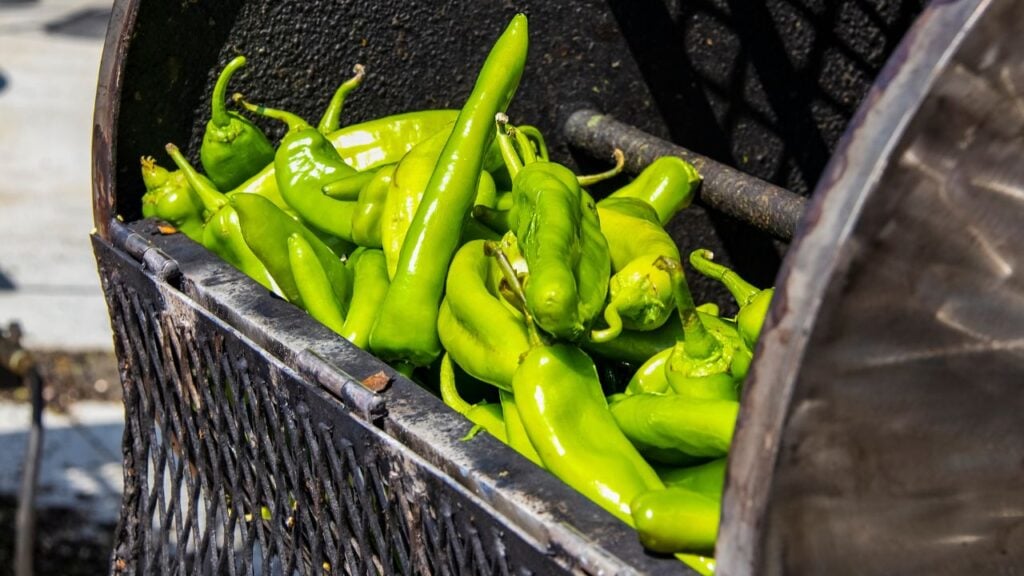
The answer to “Red or green?” says little about how deep New Mexico’s chile tradition goes.
Roasting season shows what the question leaves out.
6 Things New Mexicans Do During Roasting Season That Out-of-Staters Never See
