
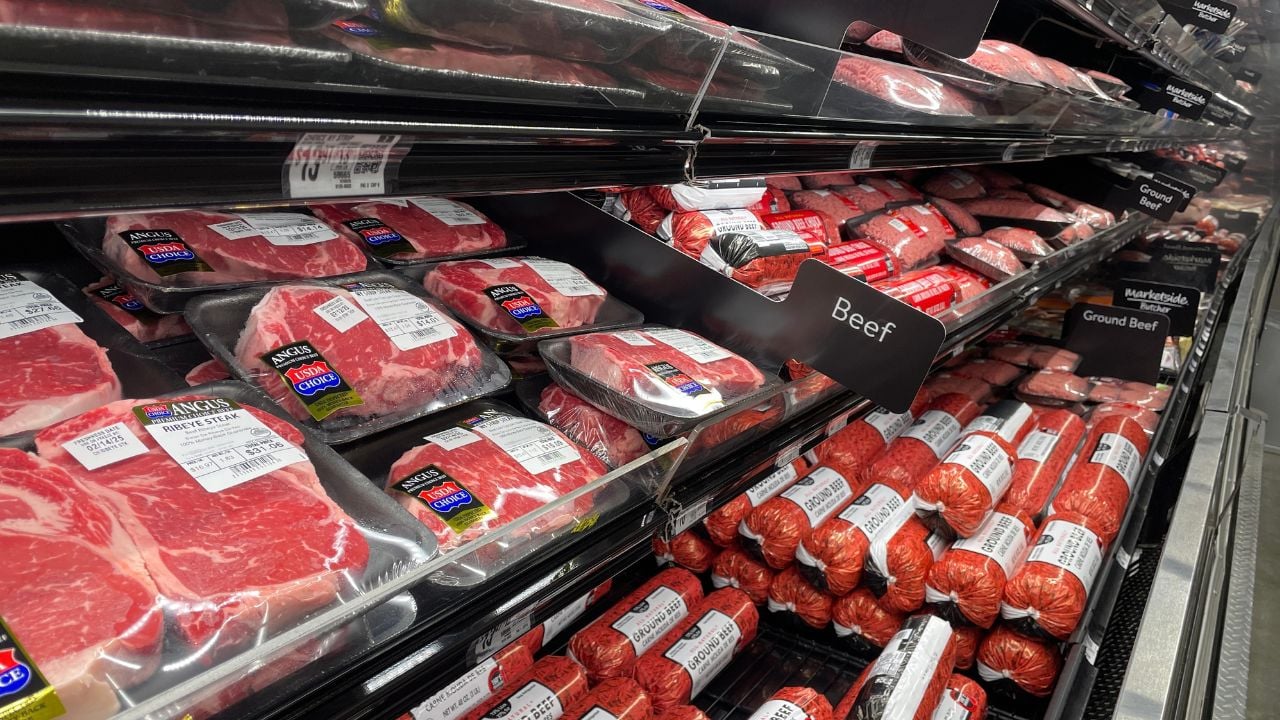
Beef Leads 7 Grocery Aisles Where Tennesseans Can’t Catch a Break This Year

Some grocery aisles are hitting your wallet harder than others this year.
USDA’s latest forecast points to seven aisles where prices may rise faster than usual, and beef leads the way.
Here are the aisles where Tennessee shoppers may see prices climb fastest for the remainder of this year.
Note: This is general information, not financial advice. The headline figures are forecasts and are subject to change, so confirm the current numbers with USDA’s Economic Research Service.
Where These Forecasts Come From
The Economic Research Service (ERS) is part of the U.S. Department of Agriculture (USDA).
It is a main source of economic information and research there.
Its September 2026 update uses August 2026 numbers on what shoppers and producers pay.
ERS says the forecast interval around that 2.4 percent runs from 1.8 to 3.0 percent.
To get there, ERS compares the average price for all of 2026 with the average for all of 2025.
It builds its forecasts from recent price trends.
So the 2026 numbers below are forecasts of price changes, not prices you’ll see on a shelf.
ERS expects seven grocery categories to rise faster than their 20-year averages.
They’re ranked by the percentages ERS prints on its summary page.
The last two, fish and seafood and processed fruits and vegetables, have none printed there.
1. Beef and Veal
Beef and veal tops USDA’s grocery forecast. ERS projects a 9.4 percent increase in 2026.
No other category tops it on ERS’s summary page.
ERS’s data file lists beef and veal’s 20-year average at 4.5 percent a year.
If beef and veal are regulars in your cart, $100 of it in 2025 would cost about $109 in 2026 at that pace.
ERS also reports a forecast interval.
That is a range around its headline number that shows how uncertain an estimate is.
For beef and veal, the range runs from 7.4 to 11.6 percent.
ERS says federally inspected beef production was about 2 percent lower than a year earlier.
That is from its September 2026 update.
ERS expects production to stay below year-ago levels through the end of 2026.
USDA’s cattle report shows 27.6 million beef cows on Jan. 1, 2026, down 1 percent from a year earlier.
Tennessee had 818,000 beef cows on Jan. 1, 2026. That’s from USDA’s National Agricultural Statistics Service.
2. Sugar and Sweets
Noticed candy costing more?
ERS says candy is driving the rise in sugar and sweets.
The agency says prices have risen mostly for candy and chewing gum. That group includes most types of chocolate candy.
Sugar and sweets prices were 6.1 percent higher in August 2026 than in August 2025.
ERS forecasts a 6.6 percent increase for 2026, against a 20-year average of 3.1 percent a year.
At that pace, $100 of sweets in 2025 would cost about $106.60 in 2026.
3. Fresh Vegetables
Retail prices for fresh vegetables fell 0.8 percent from July to August 2026.
They were still 2.6 percent higher in August than a year earlier.
ERS still forecasts a 5.7 percent increase for 2026, against a 20-year average of 1.7 percent a year.
At that pace, $100 of fresh vegetables would cost about $105.70.
ERS says grocery prices usually trail producer prices. Those show what domestic producers are paid.
ERS forecasts farm-level vegetable prices to rise 16.0 percent in 2026. They dropped in July and August.
ERS calls producer prices a handy clue to what may soon happen to grocery prices.
4. Nonalcoholic Beverages
Nonalcoholic beverages are on the list too. ERS forecasts a 4.2 percent rise in 2026.
That compares with a 20-year average of 2.4 percent a year.
This group covers fizzy and non-fizzy drinks, plus coffee and tea.
Coffee stands out.
Retail coffee prices were 6.1 percent higher in August 2026 than a year earlier.
So a bag of coffee that cost $10 a year ago would cost about $10.60 now.
ERS says coffee has risen faster than other nonalcoholic beverages.
5. Fresh Fruits
ERS forecasts a 2.5 percent increase for the fresh fruits in your cart in 2026.
That’s above fresh fruit’s 20-year average of 1.7 percent.
Retail fresh fruit prices fell 0.5 percent from July to August 2026, according to the agency.
They were still 3.8 percent above a year earlier.
What Counts as Above Average
ERS compares each category with its own 20-year average. It does not use the 2.6 percent average for all grocery store food.
ERS’s data file lists a 20-year average of 1.7 percent for fresh fruits.
So a 2.5 percent increase counts as above average there.
For all grocery store food, the same 2.5 percent would fall short of the 2.6 percent average.
In short, each aisle is measured against its own usual.
6. Fish and Seafood
Fish and seafood prices fell 1.9 percent in 2024 and rose 2.0 percent in 2025, ERS’s data file shows.
ERS’s September 2026 update says fish and seafood should grow faster than their 20-year average.
Its data file puts that average at 3.0 percent a year.
7. Processed Fruits and Vegetables
Processed fruits and vegetables is the third fruit and vegetable category on the list.
ERS forecasts these prices to grow faster than their 20-year average of 2.8 percent a year.
They rose 0.9 percent in 2024 and 1.2 percent in 2025. Both years ran below that average.
Do you buy lots of fruits and vegetables?
Then you’re shopping three of the seven categories on this list.
Psst! Think you can keep up? Take our quiz and find out.
Quiz
Grocery Price IQ
Answer these questions on food prices and inflation.
In 2022, food prices rose faster than in any year since which year?
Where Prices Are Falling
Grocery prices aren't rising everywhere.
Eggs are the big exception.
ERS forecasts egg prices to fall 29.4 percent in 2026.
At that pace, $10 of eggs in 2025 would cost about $7.06 in 2026.
Egg prices were 23.0 percent lower in August 2026 than a year earlier.
They rose 21.9 percent in 2025.
ERS says an outbreak of avian flu that began in 2022 pushed egg prices up.
USDA now projects more egg production in 2026 than in 2025.
ERS also expects fats and oils prices to end 2026 lower than 2025.
Fats and oils prices already fell 0.8 percent in 2025, according to ERS's data file.
Even so, they rose 1.4 percent from July to August 2026. That was one of two large monthly swings ERS flagged that month.
9 Gas Station Orders That Give Away a Lifelong Tennessean
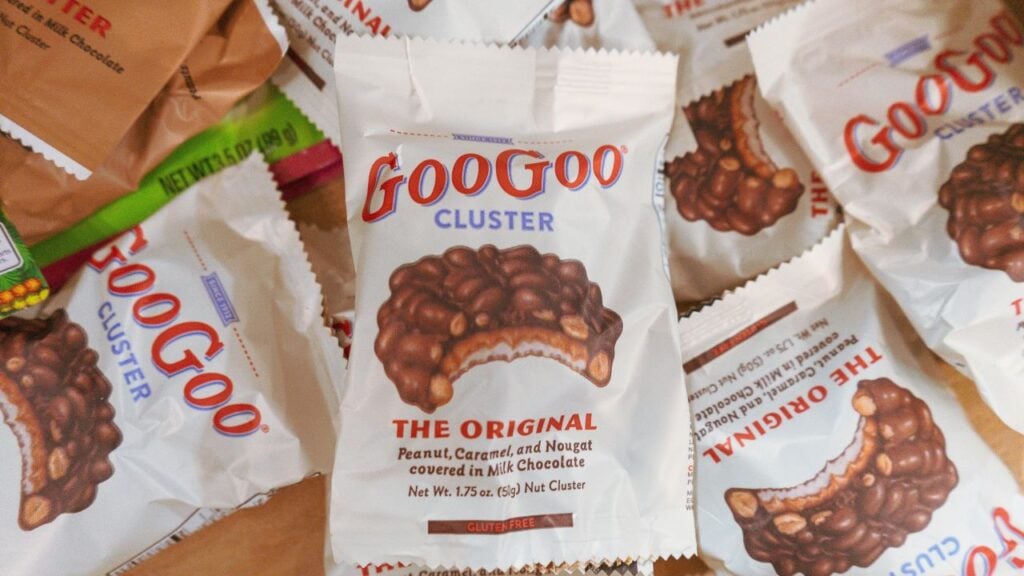
Where somebody grew up shows in what they order at a gas station.
A few of those orders give somebody away.
9 Gas Station Orders That Give Away a Lifelong Tennessean
8 Funeral Habits Tennesseans Say Have Gone Too Far

Funeral traditions pass down through families for generations.
Some of them have worn out their welcome.
