
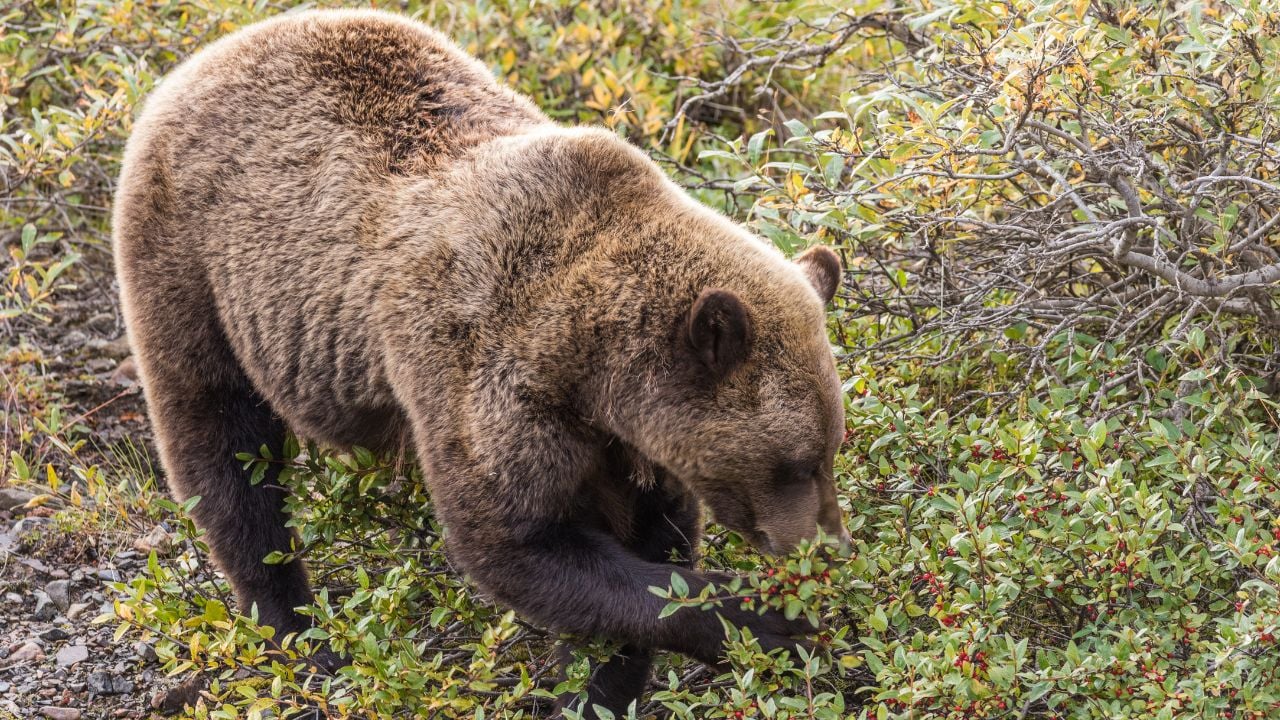
5 Things Montana’s Grizzlies Do in the Weeks Before They Den

Before winter sets in, grizzlies have one big job to finish.
Montanans who hike, hunt or live in bear country may notice some of the signs this time of year.
Here’s how grizzlies spend their last weeks before they den.
1. Heading in With Snowstorms
Grizzlies in the Mission and Rattlesnake mountains headed for their dens between October 10 and November 20, according to a study that tracked them from 1976 to 1979.
The study found 41 dens.
The move toward the den was independent of weather at low elevations.
Going in for good was closely tied to severe snowstorms.
That study is from the 1970s, so you shouldn’t treat its dates as today’s.
2. Gaining Pounds by the Day
You’ll hear a grizzly’s heavy eating before denning called hyperphagia.
The U.S. Fish and Wildlife Service says that stage lasts through the two to four months before den entry.
Within that stretch, a grizzly may gain as much as 3.64 pounds a day.
At that top rate, a grizzly would add about 25 pounds in a week.
Glacier National Park says its bears take in 30,000 calories a day at the high end in the fall, about 20,000 at the low end.
Fat matters for cubs, too.
The agency says studies show that females with less than 20% body fat are unlikely to produce cubs.
3. Eating Berries and Pine Nuts
If you wonder what grizzlies eat in the fall, Glacier National Park says they and black bears eat berries and pine nuts in the fall.
In Yellowstone, which reaches into Montana, the National Park Service calls whitebark pine nuts the top bear food from September through October when seeds are abundant.
Whitebark pine doesn’t produce abundant seed crops every year.
Psst! How much do you know about these bears? Take our quiz and see if you can ace it.
Quiz
Grizzly Country IQ
Answer these questions on grizzly bears. We bet you can’t get them all right. Prove us wrong?
Researchers in Montana’s Mission and Rattlesnake mountains reported that one transmitter-equipped grizzly used its winter den in August for what?
4. Seeking Hunting-Season Meat
Grizzlies near Yellowstone seek out meat sources tied to big game hunting seasons in the fall, Montana Fish, Wildlife & Parks (FWP) says.
Advice for Hunters in Grizzly Country
FWP tells hunters to drag gut piles into open areas, if possible, and at least 100 yards from the carcass.
If you hunt, pack meat out as soon as possible.
5. Digging a Den on a Steep Slope
A grizzly's den tends to sit on the mid to upper third of 30- to 60-degree slopes, according to FWP.
Those slopes face north, at elevations between 6,000 and 10,000 feet.
If you hike between 6,000 and 10,000 feet on a north-facing slope, you are on the kind of ground grizzlies pick for dens.
Major den excavation takes 3 to 7 days.
A bear may move up to a ton of material while it digs.
In the Mission and Rattlesnake study, 39 of 41 dens sat between 2,050 and 2,500 meters, or about 6,700 to 8,200 feet.
On Glacier's east side, the National Park Service says some grizzlies return to the high country only to hibernate.
Who Dens First in Greater Yellowstone
Pregnant grizzlies tend to enter dens earlier than males, according to a U.S. Geological Survey publication on Greater Yellowstone grizzlies.
That study covers the Greater Yellowstone area from 1981 to 1999, not Montana alone.
Females began entering dens in the fourth week of September, and 90% were denned by the fourth week of November.
Males started in the second week of October and reached 90% in the second week of December.
If you compare those dates, females were ahead of males at both marks.
Known pregnant females also tended to den at higher elevations.
Why Fall Draws Bears to Food
Grizzlies will go to great lengths for food in the fall, Glacier National Park says.
FWP says bears also eat human garbage if it's easily accessible.
If you hike, travel in groups, make noise, and keep bear spray accessible and know how to use it.
Locking Down Attractants
If you live in grizzly country, FWP starts its advice with garbage.
Use a certified bear-resistant bin or a secured building for garbage.
Put garbage and recycling out only on collection day.
Avoid feeding birds during active bear season.
Pick fruit immediately once it's ripe.
If you hunt, hang meat properly until you can retrieve your downed game.
Avoid cutting up a carcass at dusk or night, and always carry bear spray where you can reach it.
If a bear claims your kill, don't haze or frighten it away.
If you keep livestock, store feed in a secure building and secure vulnerable livestock such as chickens, goats and sheep with an electric fence.
FWP can help with design and installation, and partial cost reimbursement programs are available.
3 Montana Roads That Close Earlier Than Visitors Expect
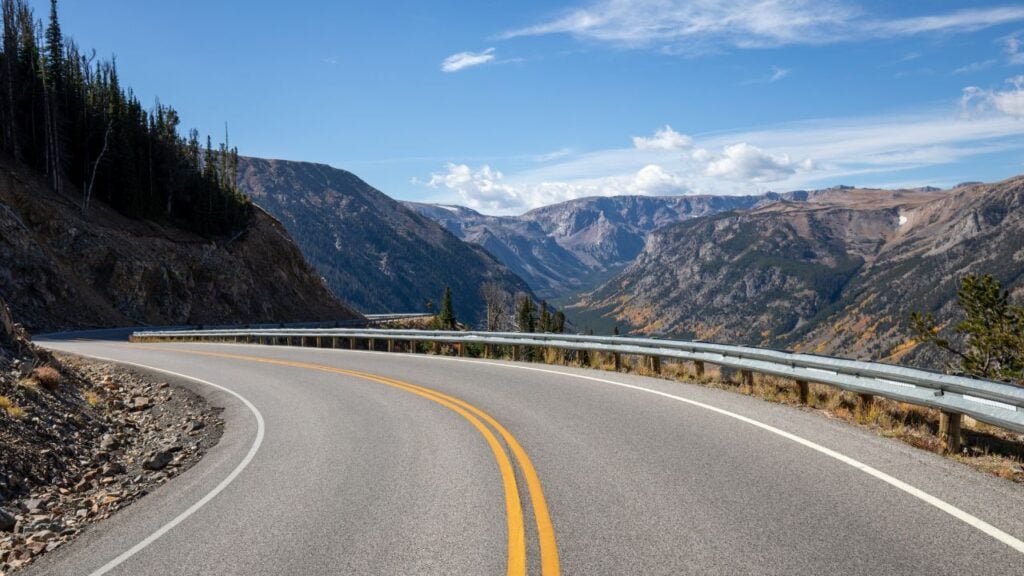
Some Montana roads close for the season earlier than visitors plan for.
These are the Montana roads that close earlier than visitors expect.
