

12 Things Ohioans Say That Give Away Which Corner of the State They’re From

One word can tell an Ohioan where you grew up.
People from opposite corners of the state can say the same thing and still sound like they’re from different places.
Here are some of the words and sounds that may give away your hometown.
1. Please for Pardon
Some Cincinnatians say “please?” when they didn’t catch what you just said, the way people elsewhere say “pardon?”
The habit is often tied to the city’s German roots, since the German word bitte means both please and excuse me.
CityBeat described the same habit in 2004, tying it to the city’s Germanic heritage.
University of Cincinnati linguist Mary Leech has heard of it but hasn’t run into it in everyday use, and she says features like it come and go.
So if a Cincinnatian answers you with “please?”, you’ve been asked to say it again.
2. Devil Strip
In Akron, you call the narrow band of grass between the sidewalk and the street the devil strip.
The language show A Way with Words says the term is used only in Akron today, though it once turned up in other cities.
The phrase likely comes from 19th-century streetcar talk for the strip of ground between tracks, where people caught between passing cars risked serious injury.
Akron’s streetcars ran from 1888 to 1947.
If you say devil strip, some people will guess you grew up in or near Akron.
3. Tree Lawn
In Cleveland, tree lawn is the word for the right-of-way between the sidewalk and the street, according to Mental Floss’s guide to Cleveland slang.
Going trash picking is sometimes called tree lawn shopping.
Over in Elyria, the city code defines a tree lawn as the part of the public right-of-way between the paved road and the sidewalk.
If you say tree lawn, some people will guess you are from Cleveland.
4. Three-Way
Say three-way in Cincinnati, and you’re ordering chili over spaghetti under a pile of cheese.
Beans or onions turn it into a four-way.
Add both, and it’s a five-way.
Cincinnati public radio station WVXU reports that Macedonian immigrant Tom Kiradjieff began serving the dish in the 1920s at his restaurant, Empress.
If you order by number, you’ll fit right in with many Cincinnatians.
5. Laht
Up north, a short o can shift toward a short a, so lot sounds like laht, says Ohio State University linguist Katherine Campbell-Kibler.
Ideastream Public Media says the Great Lakes accent features what linguists call the Northern Cities Vowel Shift.
It’s one of the three accents for the state, alongside a central one and a southern one.
Say lot out loud and listen for whether your o leans toward an a.
6. Cot and Caught
Central Ohio’s Midland accent has the cot-caught merger as a notable feature, in which cot and caught sound the same, and Campbell-Kibler says she pronounces the two words alike herself.
If you say each word aloud and they sound alike to you, you have the merger.
Ideastream says central Ohio’s Midland accent is much milder than the others and the closest to a general American accent.
Mild isn’t none.
The Retracted S Sound
The retracted s falls outside the three accent zones.
Linguist Taylor Jones, who studies regional variations of African American English, points to the retracted s as a key characteristic across Black Ohio communities.
With it, listeners hear shay instead of say.
7. Neh-VAY-dah
Nevada Street is in east Toledo, and Toledo station WTOL reports that locals say it Neh-VAY-dah.
Anyone else may reasonably guess Neh-VAH-dah, like the state.
Many Toledoans also swear by pop over soda.
If you say Nevada the Toledo way, many locals will take you for a Toledoan.
8. Marymont
CityBeat’s 2004 guide to local habits lists the Cincinnati-area name Mariemont as “Marymont.”
It also lists Cheviot as “Chiviot” and Buttermilk Pike as “Buttermelk.”
If you say the first place name the way it’s spelled, some locals might hear an out-of-towner.
9. Pahh
Pahh is what can happen to pie in southern Ohio, through what Campbell-Kibler calls I-monophthongization.
The southern part of the state, running from Cincinnati to the Appalachian southeast, takes much of its accent from the American South.
If you grew up there, some of your neighbors might say pahh.
10. Or-uh-GON
If you head east out of Toledo, WTOL says you’ll run into Oregon, which locals say as Or-uh-GON.
That pronunciation often bothers people from the West Coast state, who say Or-ih-GHIN.
If you say Oregon the Toledo way, some Toledoans will hear a neighbor.
Psst! How much do you know about Ohio and its official symbols? Take our quiz and see if you can ace it.
Quiz
Ohio Symbols Quiz
Answer nine questions on Ohio and its official symbols. We bet you can’t get them all right. Prove us wrong?
What shape is Ohio’s state flag?
11. Hain't
Language Log's Victor Mair wrote in 2017 about a man from southeastern Ohio who described how people around Noble County talk.
That way of speaking is centered on Noble County but reaches down into eastern Kentucky and Tennessee.
One phrase on the man's list was "hain't that awful," with hain't standing in for ain't.
If you check the post, you'll also find "a lick" for a little bit and "get on" for leave.
So hain't is part of how people talk from Noble County down into eastern Kentucky and Tennessee, and it comes from one reader's list.
If that's your home turf, some of these phrases might sound familiar.
12. LYE-muh
Mair wrote again in a 2022 post that Lima is "Laima" and not "Leema."
The E.W. Scripps School of Journalism at Ohio University posts a pronunciation guide for broadcasters that spells the city "LEYE muh."
If you say it like the capital of Peru, many locals will notice.
8 Ohio Church Festival Foods That Only Exist for One Weekend
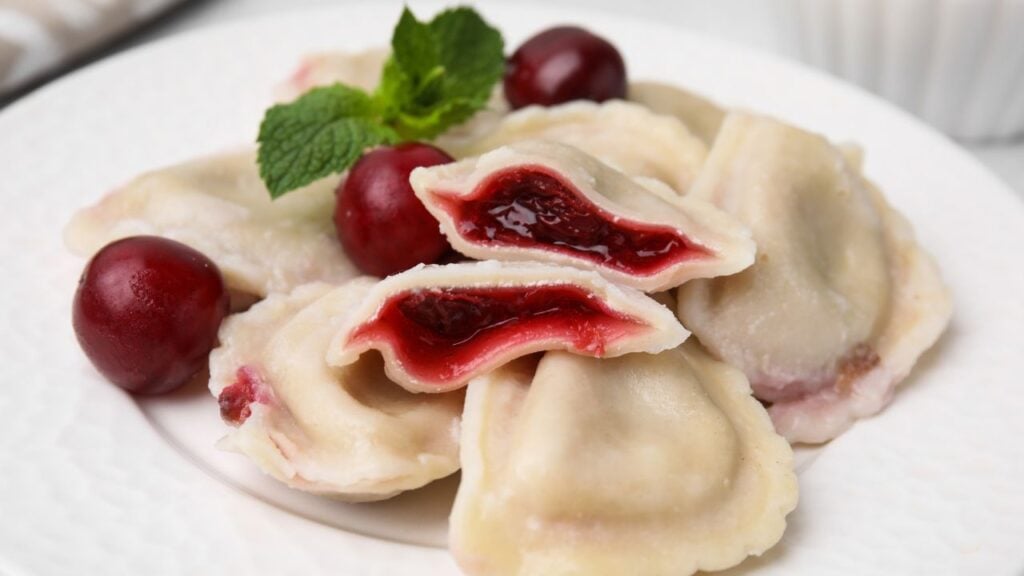
Church festival kitchens turn out food with a short season.
Those recipes mostly live in family kitchens until the weekend arrives.
8 Ohio Church Festival Foods That Only Exist for One Weekend
4 Ohio Bakeries Whose Recipes Left With the Owner
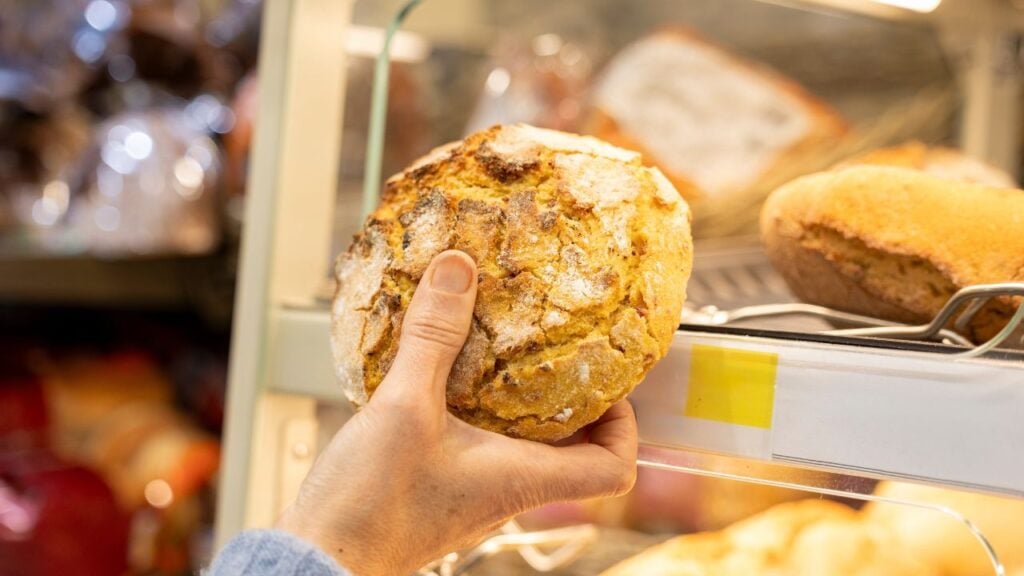
A bakery's name and recipes can outlive the shop, or leave with the owner.
These are the stories behind the loaves you can't buy anymore.
