
7 Alabama Gulf Coast Spots Alabamians Save for the Off-Season

When the beach crowds head home, Alabama’s Gulf Coast slows down in a way summer visitors rarely see.
Alabamians who enjoy birding may find the cooler months bring some of the best sightings of the year.
Here are the spots worth saving for the off-season.
1. Bon Secour National Wildlife Refuge
Bon Secour National Wildlife Refuge covers about 7,000 acres of Gulf Coast land, and its trails are open from sunrise to sunset, seven days a week.
Biting insects are especially plentiful during the summer months, so bring a hat, sunscreen, and bug repellent for summer visits.
Summer is bug season.
It was established in 1980 to protect neotropical migratory songbird habitat and threatened and endangered species.
Songbirds use it as a stopover to rest and build fat reserves during spring and fall migrations.
Only service dogs are allowed on the trails, and bicycles are prohibited because the trails are built for foot traffic.
As of early October, the refuge’s visit page listed the Centennial boardwalks as closed for safety concerns.
You can still walk the Centennial Trail up to the boardwalk from both sides, so check the page before you drive down.
2. Fort Morgan
Alabama Birding Trails lists fall, spring, and winter as the best seasons at Fort Morgan and calls summer the slowest.
Winter produces many waterbirds and sparrows there, and in fall hundreds of migrating hawks move west over the fort.
Construction began in 1819, and the fort wasn’t completed until 1834.
Union Admiral David Farragut sent his fleet past it in the Battle of Mobile Bay on August 5, 1864, and the garrison surrendered on August 23.
The fort saw action in the Civil War, the Spanish-American War, and both world wars.
The museum covers the military history of Mobile Point from 1814 to 1945.
The fort and grounds are open 8 a.m. to 5 p.m. daily, and the museum is open 9 a.m. to 4 p.m.
That gives you an hour on the grounds before the museum opens.
3. Gulf State Park
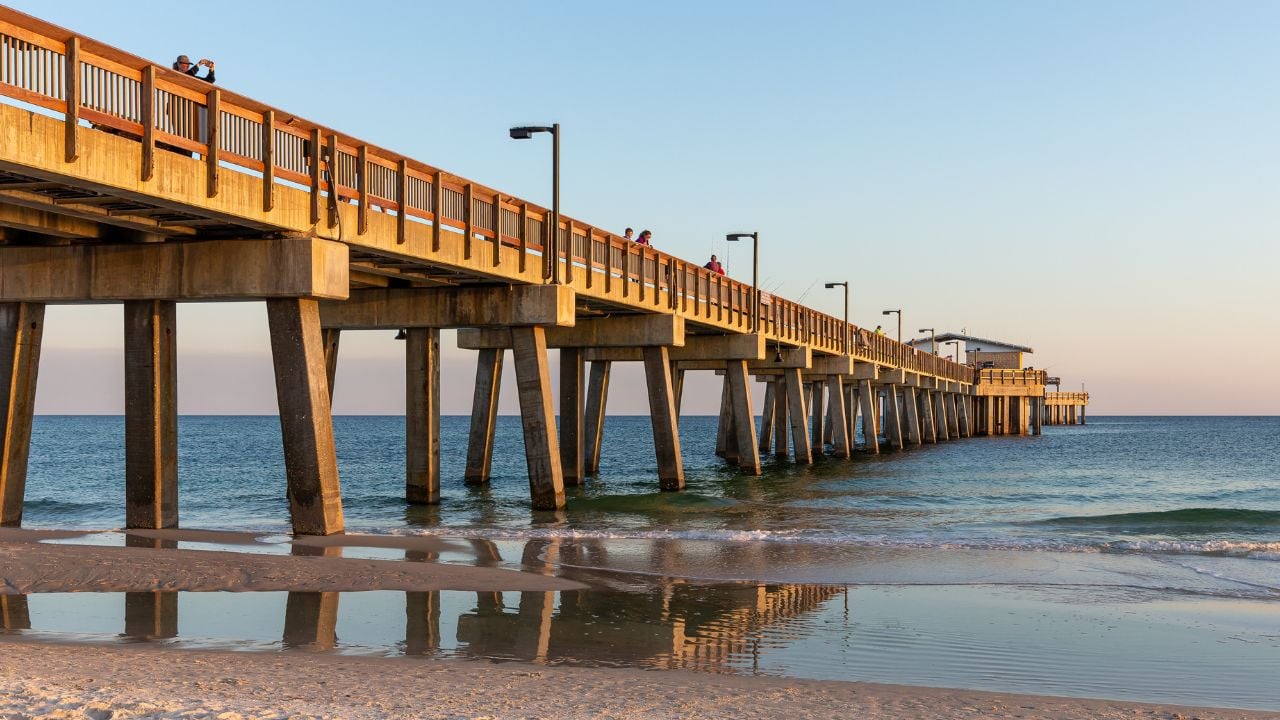
The end of Gulf State Park’s fishing pier is an excellent viewing point for seabirds, especially in winter, according to Alabama Birding Trails.
Northern Gannet is common offshore during the winter months, and winter and spring are the best seasons.
The pier is open 24 hours, so you can arrive before sunrise, and sightseeing costs adults $3 with all-day parking at $15.
The park takes monthly campsite reservations for the months of November through March.
The recreational vehicle resort has direct access to the Backcountry Trail for biking and birding.
4. Mullet Point County Park
Mullet Point County Park in Baldwin County gives you a view of the bay from an elevated perspective.
Alabama Birding Trails lists winter as its best season and calls it a good winter site for waterfowl.
Surf and Black Scoters have been seen there in the cold weather months.
The park has picnic tables, portable restrooms, and ample parking.
Psst! How much do you know about Alabama’s Gulf Coast? Take our quiz and see if you can ace it.
Quiz
Gulf Coast Trivia
Answer eight questions on Alabama’s coastal towns and history. We bet you can’t get them all right. Prove us wrong?
French explorers gave Dauphin Island what grim first name?
5. Dauphin Island Airport
Dauphin Island Airport sits beside salt marsh, and Alabama Birding Trails lists fall, spring, and winter as the best seasons there.
The county-owned facility is wheelchair accessible, so you can watch from the paved parking area without leaving your vehicle.
In winter, you can scan the bay waters for Lesser Scaup, Bufflehead, Red-breasted Merganser, and Horned and Eared Grebes.
The marsh holds Clapper Rails regularly, along with Virginia Rails and Soras that are fairly common in fall and winter, though secretive.
Yellow Rail is very rare in winter, and so is Black Rail.
Winter is rail season.
6. Little Lagoon Pass
Little Lagoon is 10 miles long and a half mile wide, and a small park in Gulf Shores lets you look over its sandbar and lagoon waters.
Seagulls, terns, and Brown Pelicans are generally found there, along with the occasional American White Pelican and shorebirds.
Reddish Egrets turn up regularly.
Fall, spring, and winter are the best seasons, which leaves summer off, and birding is usually best around low tide.
The parking lot north of the Alabama 182 bridge over the pass has restrooms.
7. Perdido Pass West
Alabama Birding Trails lists winter as the best season at Perdido Pass West.
Rock jetties extend a considerable distance out into the Gulf, and you can reach them by walking west along the beach.
You can view wintering waterfowl and seabirds there, including scoters, loons, and bay ducks.
A sea wall with benches lines this side of the pass, so you can sit while you scan.
The parking lot has portable restrooms, and overnight camping isn't permitted.
Bring shoes with grip.
When the Trail Site Says to Go
Mullet Point County Park and Perdido Pass West list winter as their only best season.
The Gulf State Park pier pairs winter with spring, while Fort Morgan, Little Lagoon Pass, and the Dauphin Island airport add fall to both.
Winter Hours to Plan Around
The Gulf State Park pier stays open around the clock, but if you want staff there, they work from 6 a.m. to 5 p.m. between September 8 and March 1.
From March 1 through Memorial Day, staff stay until 8 p.m.
The Alabama Historical Commission lists Fort Morgan as closed on Thanksgiving, Christmas, and New Year's Day.
Perdido Pass East has no posted hours, but overnight camping isn't permitted there, according to Alabama Birding Trails.
9 Restaurant Chains Alabamians Still Miss Years After They Closed
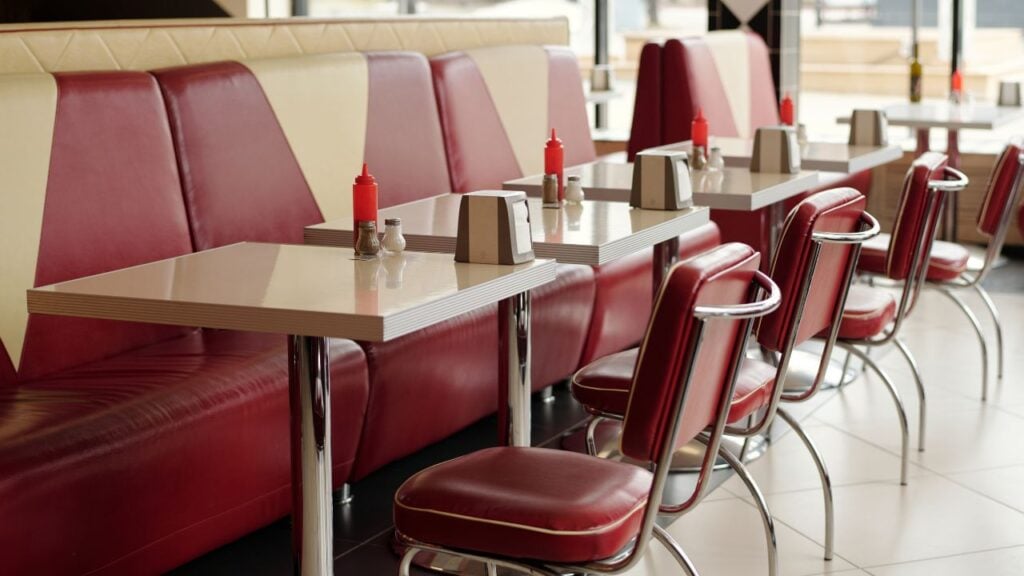
Do you remember the cafeteria lines and the chains that vanished?
Those dining rooms are worth a look back.
9 Restaurant Chains Alabamians Still Miss Years After They Closed
8 Cracker Barrel To-Go Orders That Don't Travel Well in Alabama
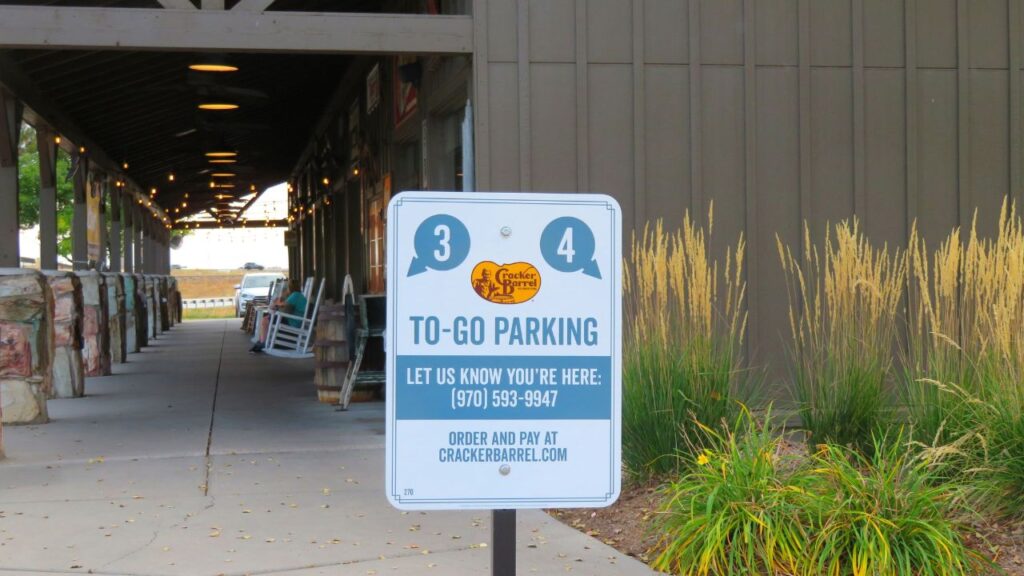
Do you assume your Cracker Barrel to-go order will taste the same at your kitchen table as it did in the dining room?
Some orders are better eaten in the dining room.
8 Cracker Barrel To-Go Orders That Don't Travel Well in Alabama
