
4 Things Loons Do Before Leaving Minnesota Lakes for the Winter

Dozens of loons crowding your lake isn’t a problem. It’s a loon party.
They’re getting ready for their trip south, and the crowds can get huge: Mille Lacs once hosted a record number for any lake in the state, then emptied out within about a month.
Here’s what loons do before they leave Minnesota.
1. Growing a Winter Coat
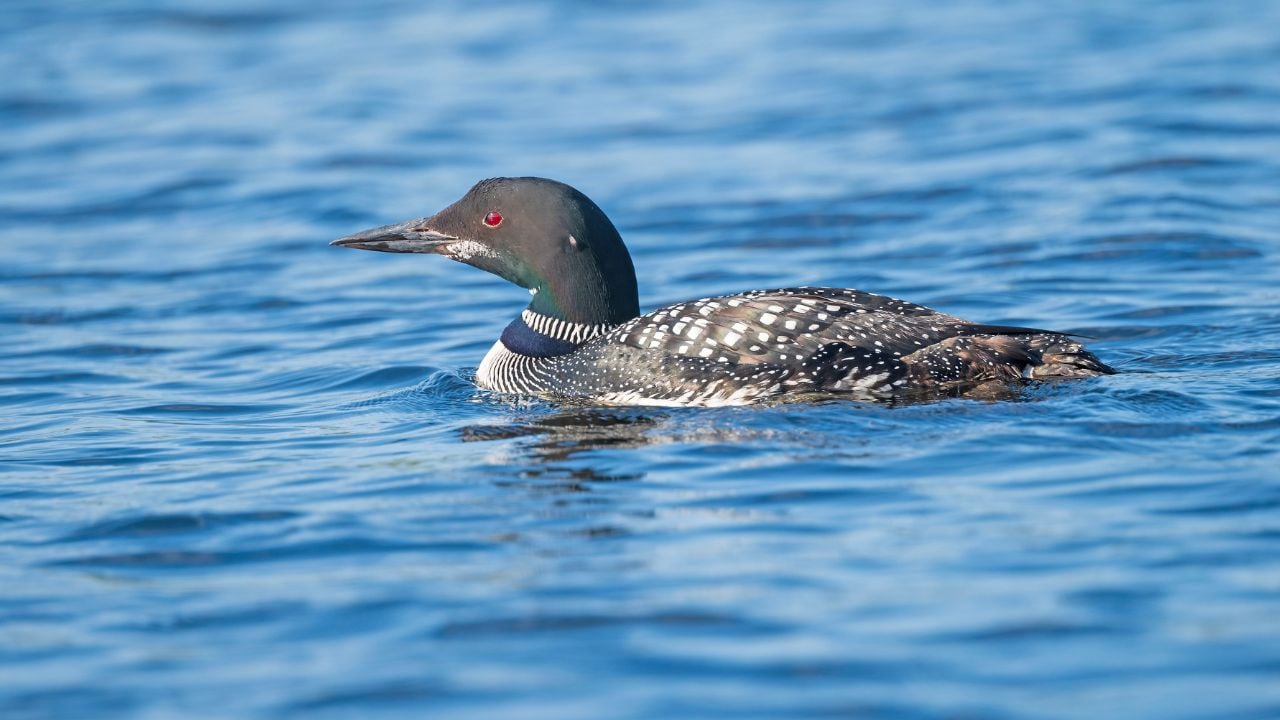
Young Naturalists, the Minnesota Department of Natural Resources (DNR) magazine, says adult loons shed their black-and-white body feathers in late summer and grow a winter coat that looks much like that of their young.
By fall, that coat is gray above and white below, replacing their black-and-white summer look.
The Loon Preservation Committee, a New Hampshire group, says the change typically begins with the feathers around the bill.
Juvenile loons look similar to wintering adults.
So a gray loon you see on a lake in fall may be an adult in winter plumage or a juvenile.
2. Feeding on Ciscoes
Researchers who studied loons on Minnesota’s Whitefish Chain of Lakes saw large groups gather from late summer into fall at lakes with abundant ciscoes, a coldwater fish.
The researchers suggest the loons may have gone after ciscoes as high-calorie food before migrating.
DNA in loon droppings showed 15 fish species, with yellow perch, mimic shiner and ciscoes the most prominent.
Cisco DNA turned up more often in samples collected in August and September.
In some places, the suitable habitat ciscoes need shrank over the summer.
That pushed the fish into surface waters, which may have made them easier for loons to catch.
3. Young Loons Gather on Large Lakes
Young loons gather on large lakes too, the DNR’s Young Naturalists magazine says, but only after the chicks spend another month on their home lake.
That extra time helps them grow big enough and strong enough to survive the long trip.
A 2021 study in the Journal of Avian Biology followed radio-marked loons from Minnesota, Wisconsin and Michigan.
Most of the juveniles stayed on their home lake or nearby lakes through mid-November.
4. Staging on Big Lakes
During the breeding season, loons defend their part of a lake from other loons, a National Loon Center staffer wrote in the Brainerd Dispatch.
By late summer, though, they start gathering in groups of five, 10 or even 20.
One researcher, Dr. Judy McIntyre, has suggested loons grow more tolerant of each other after nesting.
Dr. Jim Paruk has also suggested the gatherings may help loons get information for finding a mate or territory the next year.
The DNR says adult loons begin gathering on large lakes in September.
CBS Minnesota reported in 2010 that successful parents head to big lakes like Mille Lacs and Lake Superior.
Loons that failed to hatch eggs or find a mate gather too, in what a DNR wildlife specialist calls loon parties.
It’s staging before the loons go.
A dozen loons socializing on your lake is nothing to worry about.
Fall Counts on Mille Lacs and Winnibigoshish
In fall 1998, researchers counted loons about weekly on Lake Winnibigoshish and Mille Lacs Lake.
A Minnesota Ornithologists’ Union report on those counts says Mille Lacs had 200 loons or fewer through early September.
The count began climbing in the second half of September.
It peaked at 1,688 loons on October 20, which the DNR called a record high count for any lake in Minnesota.
Lake Winnibigoshish usually had 400 to 500 loons through September and into mid-October.
It peaked at 1,599 on October 21.
The largest flocks were 380 loons at Wigwam Bay on Mille Lacs and 528 off the Birches public access on Winnibigoshish.
Larger flocks sometimes formed when smaller feeding groups came together, as earlier Mille Lacs research had found.
Then the lakes emptied.
Mille Lacs was down to 277 loons by November 9. Winnibigoshish had 580 on November 8 and 5 a week later.
Surveyors counted none on either lake on November 22.
A Minnesota Ornithologists’ Union post that reported the 2,729 loons counted on Mille Lacs in 2006 also lists 2,511 loons counted at the same spot on October 18, 2000.
A 1975 Mille Lacs study cited in the MOU report found a peak of 600 to 750 loons in the last week of October.
Psst! How much do you know about loons? Take our quiz and see if you can ace it.
Quiz
Loon and Lake Trivia
Answer these questions on loons, lakes and wildlife. We bet you can’t get them all right. Prove us wrong?
Migrating loons occasionally land on which surface, mistaking it for a lake or river?
The Trip South
In 1998, researchers tracked six adult loons from northern Wisconsin and Minnesota by satellite.
The birds' staging and migration appeared to be related to low-pressure systems that brought winter weather to the Upper Midwest.
In the 2021 study of loons from Minnesota, Wisconsin and Michigan, adults typically headed for the Great Lakes, mostly Lake Michigan.
They often stopped at larger staging lakes first.
Most of the loons that finished the trip wintered in the Gulf of Mexico.
Smaller numbers wintered along the southern Atlantic coast or at reservoirs in the Southeast.
Young loons began the trip later than the adults but reached their winter waters faster and more directly.
Young loons often remain on the coast for two to five years before returning north.
8 Things Minnesota Snowplow Drivers Wish Residents Understood
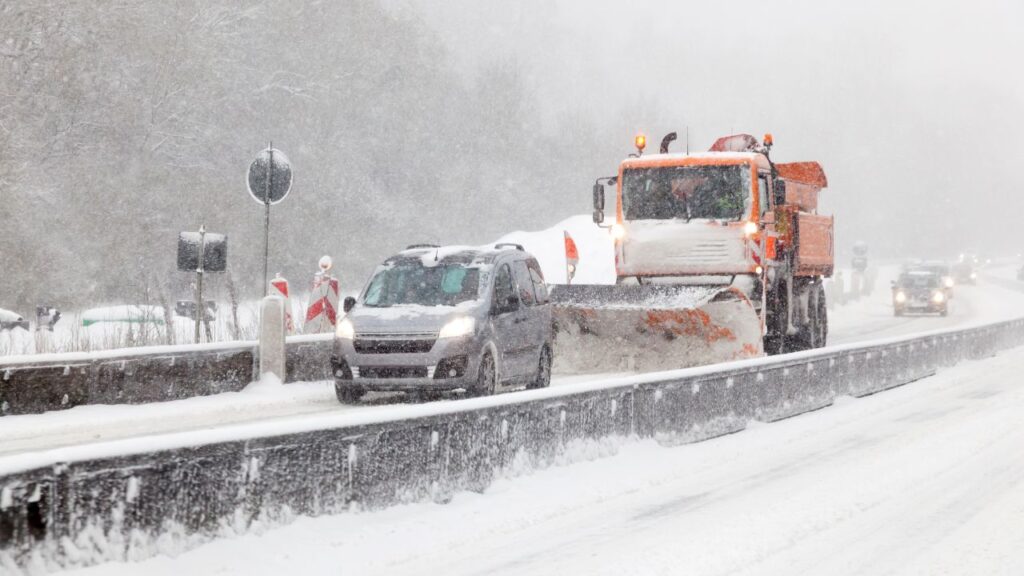
Minnesota's snowplow drivers have things they wish residents understood.
Here's what's on their list.
8 Things Minnesota Snowplow Drivers Wish Residents Understood
3 Coborn's Deals Minnesotans Only Get If They Order Ahead

Some Coborn's deals require ordering ahead.
Here are the deals.
