

9 Things a Georgia Landlord Can’t Legally Do to Renters in 2026

Come home to a new lock on your door, and you might think your landlord has the last word.
But in Georgia, your landlord can’t change the locks without going through court first.
Here’s what a Georgia landlord can’t legally do to renters in 2026, and where the law draws the line.
Note: This is general information, not legal advice. Rental rules and penalties are subject to change.
1. Utility Shutoffs
Georgia law bars a landlord from knowingly and willfully cutting off a tenant’s heat, cooling, light or water.
It’s a crime.
A conviction brings a fine of up to $500.
The ban lasts until a court finally decides any eviction case the landlord has filed against you.
Cooling joined that list in 2024 through the Safe at Home Act, but only for leases signed or renewed once the act took effect.
So if your lease qualifies, a landlord who knowingly and willfully shuts off your air conditioning is breaking the law.
2. Lockouts
A landlord can’t change your locks or force you out without going through the court process.
That case is called a dispossessory proceeding, and your landlord has to go through it before you have to leave.
A lease can’t change that either.
Georgia law says a landlord and tenant may not waive the dispossessory process, even by agreeing to a quick lockout in the lease.
3. Retaliation After a Complaint
Landlords can’t retaliate against a tenant who asks for repairs.
If you give your landlord a notice to repair, Georgia’s retaliation law protects you for three months afterward.
In that window, a landlord who files an eviction case, raises your rent or ends your lease can face a retaliation claim.
A retaliating landlord can owe a civil penalty of one month’s rent plus $500, and attorney’s fees if the conduct is willful, wanton or malicious.
The protection doesn’t apply if you’re behind on rent when your landlord gives notice to vacate or files an eviction case.
4. Renting Out an Unfit Home
Under the Safe at Home Act, a landlord’s rental agreement is deemed to include a promise that your home is fit for human habitation.
That standard sits in the state’s law on landlord repairs, next to the landlord’s duty to keep the premises in repair.
Georgia law also bars a landlord and tenant from waiving those repair duties in a lease, so you can’t sign them away.
5. Withholding a Deposit Without the Lists
Georgia’s damage-list rules cover landlords with more than ten rental units.
They also cover landlords that are companies rather than individuals, and any landlord who pays someone else to manage the units.
If your landlord is covered, you have to be handed a comprehensive list of any existing damage before you pay a deposit, and you both sign it.
The signed list becomes proof of what the unit looked like on day one.
After you move out, the landlord has to compile a final list of the damage behind any deduction, with an estimated dollar value for each item.
A landlord who doesn’t deliver the final list and the written statement on time forfeits the right to withhold any part of your deposit.
That landlord also loses the right to sue you for damage to the unit.
A landlord who wrongly keeps a deposit can owe you three times the amount plus attorney’s fees, unless the landlord proves an honest mistake.
How Your Deposit Must Be Held
A covered landlord has to hold your deposit in an escrow account set up only for that purpose.
It has to be at a bank or lender regulated by Georgia or the federal government.
The landlord also has to tell you in writing where the account is.
The landlord can skip the escrow account by posting a surety bond with the clerk of the superior court in the county where your home is.
A landlord who isn’t covered skips all of this, along with the move-in damage list and the penalty section of the deposit law.
6. Keeping Deposits for Wear and Tear
Your landlord has 30 days after taking possession of the unit to send back your deposit.
A landlord who keeps part of it has to send a written statement identifying the exact reasons, along with the refund still owed.
Landlords can’t keep your deposit to cover ordinary wear and tear.
That protection holds as long as you weren’t negligent, careless or abusive and no accident happened.
Psst! How much do you know about renting? Flip these myth-or-fact cards and see if you can ace them.
7. Housing Discrimination
The federal Fair Housing Act bars discrimination in nearly all housing, including the rentals of private landlords in Georgia.
A landlord can’t treat you differently because of race, color, national origin, religion, sex, familial status or disability.
If you have kids, a landlord also can’t confine your family to one part of a complex.
A landlord who demands sexual favors from tenants, or creates a sexually hostile environment for them, is also discriminating.
8. Refusing an Assistance Animal
A landlord’s no-pets policy may have to bend for an animal individually trained to do work or perform tasks tied to your disability.
The same federal law bars a landlord from refusing a reasonable accommodation you need because of a disability.
The U.S. Department of Housing and Urban Development (HUD) changed how it enforces that rule for animals in May 2026.
HUD now starts from the position that a request to waive a pet policy for a trained animal is reasonable.
An untrained emotional support animal doesn’t get that treatment, and HUD no longer expects landlords to approve those requests as a matter of course.
That change doesn’t affect your right to bring a private court case under the Fair Housing Act.
A landlord can refuse only in narrow cases, such as an undue financial and administrative burden or a direct threat to the health or safety of others.
9. Evicting a Servicemember’s Family
A landlord can’t evict a servicemember or the servicemember’s dependents from a home during military service without first getting a court order.
That protects you if you’re in military service or depend on someone who is.
The federal Servicemembers Civil Relief Act applies to homes renting for up to $10,542.60 a month in 2026.
If a landlord seeks a default judgment, the landlord has to file an affidavit disclosing the tenant’s military status.
If the tenant is in service, the court appoints a guardian ad litem, a person who looks out for the servicemember’s interests.
A judge may also delay the judgment by 90 days if the servicemember can’t be reached or needs to appear to present a defense.
8 Easement Surprises That Cost Georgia Landowners Their Privacy
A property line tells you where your land ends.
It doesn’t always tell you who else has a right to use it.
8 Easement Surprises That Cost Georgia Landowners Their Privacy
7 Foundation Problems That Blindside Georgia Buyers
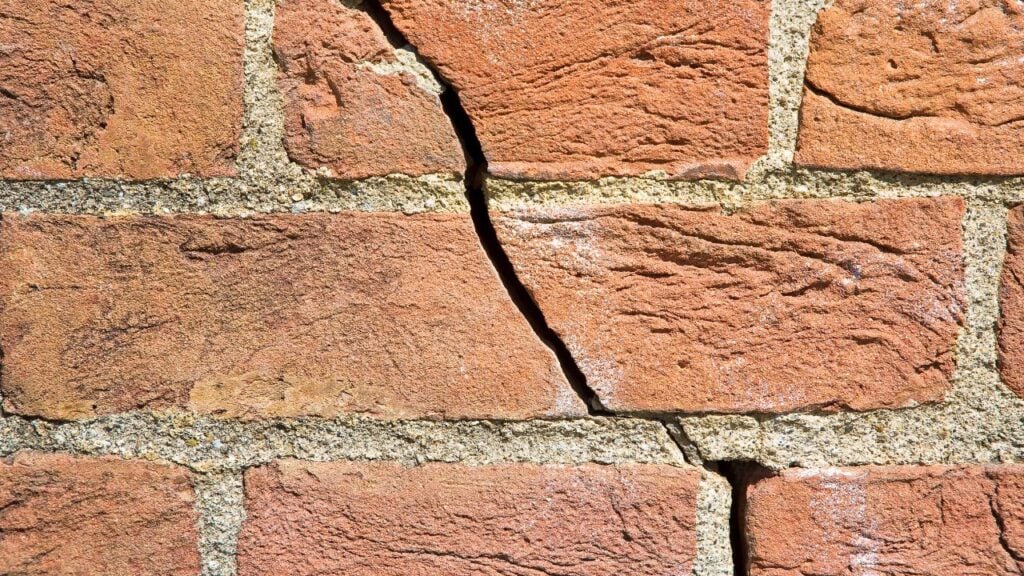
Red clay lies under much of Georgia’s Piedmont.
