
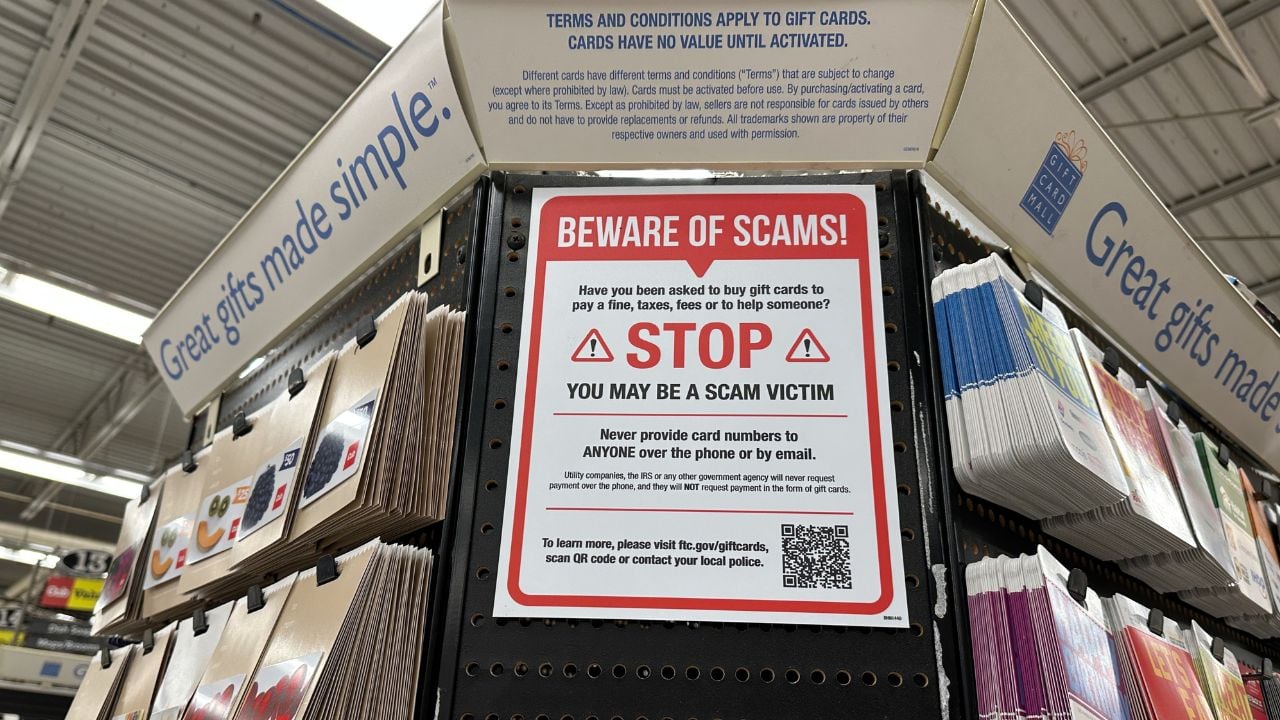
4 Holiday Scams Indiana’s Attorney General Is Warning Hoosiers About

If someone calls or emails and asks you to pay with a gift card, Indiana’s Attorney General says you’re talking to a scammer.
With holiday shopping weeks away, that’s worth remembering before the deals start landing on your phone.
Here are the holiday scams Indiana’s Attorney General is warning Hoosiers about.
Note: This is general information, not legal or financial advice. Scam tactics and reporting details are subject to change, so confirm the current details with the Indiana Attorney General’s office.
1. Black Friday and Cyber Monday Scams
Black Friday and Cyber Monday shopping scams drew a warning from the Attorney General’s office in November 2022.
Reports of financial fraud and identity theft increase at this time of year, according to the Better Business Bureau (BBB).
For 2021, 35% of fraud reports were the result of an online scam.
What gives a scam away?
If a price looks unbelievably low to you, remember that a deal that sounds too good to be true likely is.
An unfamiliar company is another warning sign, so read its BBB ratings and reviews for scam allegations before you order.
2. Gift Card Scams
Gift card scams begin when someone contacts you by phone or email and asks you to pay with a gift card.
Anyone who does that is a scammer, the Attorney General’s office warned in December 2021 and again in December 2022.
Don’t cooperate with the pitch.
The warning came as many shoppers had time off work and were finishing their holiday shopping.
Scammers look for rushed, unsuspecting victims.
Psst! How much do you know about your shopper rights? Take our quiz and see how many you can get right.
Quiz
Shopper Rights Quiz
Answer these questions on spam texts, door-to-door sales, card protections, and billing disputes. We bet you can’t get them all right. Prove us wrong?
What number can you forward a spam text to so your wireless provider can spot and block similar messages?
3. Imposter Deal Emails
Imposters send holiday deal emails that claim to come from a company you know.
The same 2021 release told shoppers to read these emails closely and confirm they come from the company they claim to represent.
If a sale email lands in your inbox, you can reach the company's official website through a trusted search engine instead.
That takes one search.
4. Giving Tuesday Charity Scams
Giving Tuesday charity scams target generous people, and the Attorney General's office issued a warning on November 29, 2022.
Be wary of year-end appeals from organizations you don't know, whether they reach you by phone, mail, email or social media.
A friend sharing a donation request on social media doesn't make it legitimate.
Feeling pressured?
A legitimate charity will accept donations any day of the week, so you have time to research it first.
Filing a Complaint
The Indiana Attorney General's Consumer Protection Division takes consumer complaints through an online form on its complaint page.
You can also call 1-800-382-5516.
The division asks you to file a complaint if you ever suspect a scam of any type.
Signs of a Shopping Scam
A very new social media store with very low prices is a sign of a shopping scam.
A store like that may give you little information about delivery and other policies.
Who's selling it?
Another warning sign is an online retailer that doesn't give enough information about privacy, terms of use, dispute resolution or contact details.
You may also be dealing with a seller based overseas, or one that won't take payment through a secure service such as PayPal or a credit card.
Stick to secure websites that show https in the address, too.
Payment Red Flags
A shopping scam can come with a demand to pay immediately, or to pay by electronic transfer or a wire service.
You may also hear that you have to pay up front for vouchers before you can get a cheap deal or a giveaway.
Scam artists want to pressure you into making a quick commitment to buy.
What about paying by card?
Charges are more difficult to dispute on a debit card, and cash back is harder to get, so pay by credit card when you shop online.
Review your monthly statements for charges you don't recognize.
Vetting a Charity
Before you give to a year-end appeal, search the organization's name online with words like review, scam or complaint.
You can also check a charity's report and ratings on Charity Navigator, CharityWatch, Give.org or GuideStar.
Who's calling?
If a caller asks for a donation over the phone, that person should be able to answer critical questions about the charity.
Always donate by credit card rather than cash or other methods.
Delivery Problem Texts
Delivery scams use texts and emails that claim something is wrong with a package, and the Attorney General's office warned about them in September 2023.
The messages use names like Amazon, FedEx, the U.S. Postal Service and United Parcel Service (UPS).
Don't click or reply.
If you think the problem might be real, contact the carrier yourself through its official website, not through any contact details in the message.
Gift Card Fine Print
Gift cards can cause trouble even when no scammer is involved.
Fine print applies.
Check each card's expiration date and the terms that apply to it before you buy.
Keep the receipt, too, in case the card isn't activated for the amount you paid.
5 Ways Hoosiers Get Money Back From Meijer After They’ve Already Paid
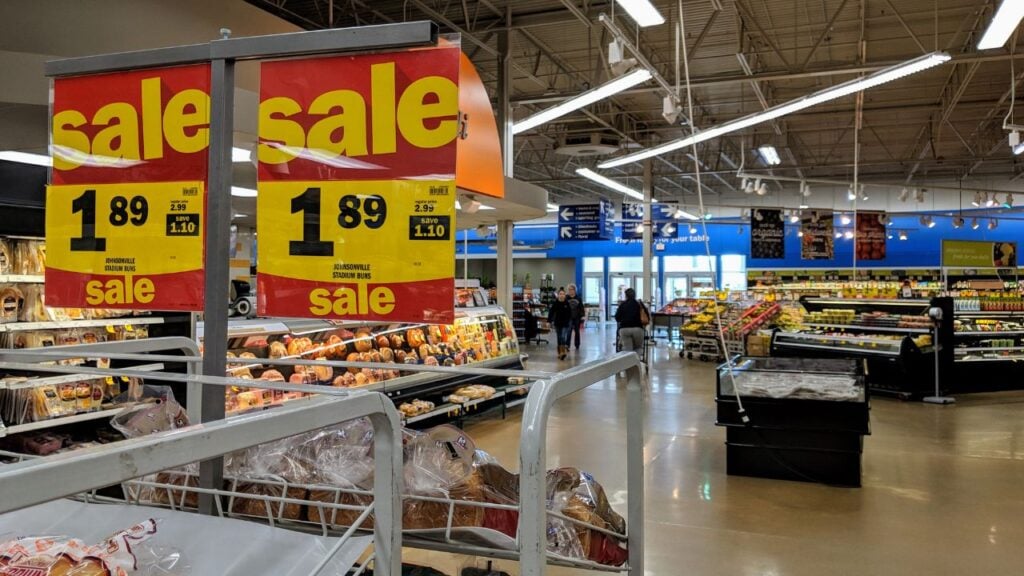
Meijer’s Indiana stores have a few policies that hand money back to a shopper who already checked out.
Not every shopper knows to ask.
5 Ways Hoosiers Get Money Back From Meijer After They’ve Already Paid
11 Things Hoosiers Should Photograph Before Starting Storm Cleanup

What a Hoosier gets back from an insurer or the Federal Emergency Management Agency can come down to what they photograph before anyone touches a shovel.
Eleven things made the list.
11 Things Hoosiers Should Photograph Before Starting Storm Cleanup
