
4 Wild Animals Virginians Can Be Fined for Feeding

Feeding deer anywhere in Virginia is illegal from Sept. 1 through the first Saturday in January.
That rule’s in effect right now, and it’s not the only feeding ban that can bring a fine.
Here are the wild animals Virginians can be fined for feeding, and where the rules apply.
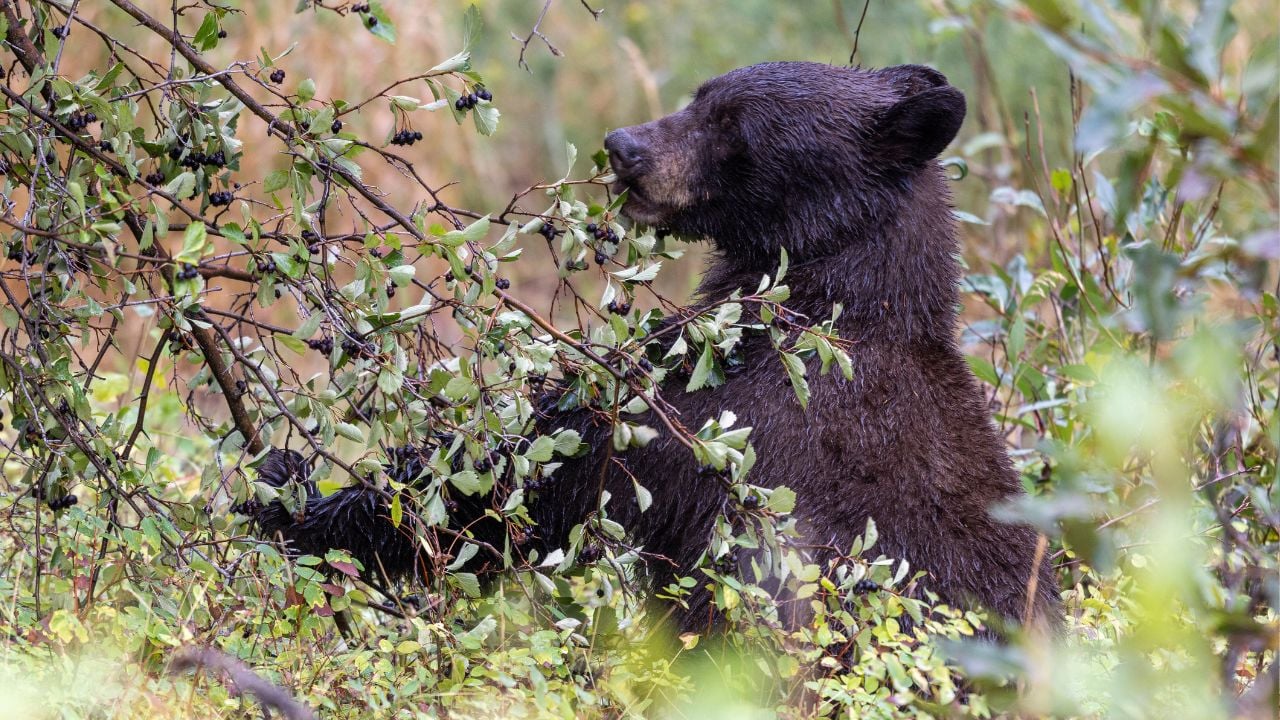
1. Black Bears
Feeding black bears is illegal everywhere in Virginia, on public and private land alike, including in your backyard.
The Department of Wildlife Resources (DWR) says the ban is statewide and year-round, so no season makes a handout legal.
If you break it, you’re facing a Class 3 misdemeanor, which carries a fine of up to $500.
What Counts as Feeding a Bear
The bear-feeding rule covers food, minerals, carrion, trash and similar substances that you put out to feed bears or to attract them.
Once bears start showing up, you can’t keep putting those substances out for any purpose.
A birdfeeder and trash cans are two ways bears end up eating human food.
Virginia amended the rule effective September 1, 2025.
2. Deer
Feeding deer is illegal anywhere in Virginia from September 1 through the first Saturday in January.
This year, that window closes January 2, 2027.
If you live in one of 43 counties, including Fairfax, Loudoun and Roanoke, or in a city or town inside one, the ban covers your whole year.
DWR can also add any county within 25 miles of a confirmed chronic wasting disease case.
Any county, city or town that allows deer or elk hunting also bans the feeding while those hunting seasons run.
In some western counties, general firearms season runs November 14 through December 12, while many eastern and central counties stay open through January 2.
The same $500 maximum applies here.
Psst! How much do you know about Virginia’s outdoors? Take our quiz and see if you can ace it.
Quiz
Virginia Outdoors IQ
Answer these questions on Virginia’s official animals, plants, and state parks. We bet you can’t get them all right. Prove us wrong?
Which of these is Virginia’s official state snake?
3. Elk
Feeding elk is illegal at any time in Buchanan, Dickenson and Wise Counties, including the cities and towns inside them.
DWR's year-round cervid feeding list also includes Russell, Tazewell, Bland and Washington Counties, so you can't feed deer or other cervids there at any time.
In most other counties, elk fall under the same September-to-January window that covers deer.
If you break the elk rule, you face the same Class 3 misdemeanor, with a maximum fine of $500.
4. Turkeys on Forest and DWR Land
You can't feed wild turkeys on national forest land or on land that DWR owns, unless you have written authorization from the DWR director or the director's designee.
The same rule covers food or salt that could attract or feed bears, deer or turkeys, so you can't scatter either one for any of the three on that land. You can still toss leftovers in a trash receptacle that the U.S. Forest Service or DWR provides.
On that land, a violation is also a Class 3 misdemeanor.
Every Other Species
DWR's nuisance rule bars you from putting out food, trash or similar substances that draw any species of wildlife.
It applies once the animals gather in numbers that damage property, endanger people or other animals, or create a public health concern.
Once DWR staff notify you of the problem, you're in violation if the feeding continues.
State parks add a separate rule that bars anyone from feeding wildlife outside park-sponsored programs.
Breaking that rule is a Class 3 misdemeanor too.
The Reasons Behind the Bear Ban
DWR says the bear-feeding ban is meant to keep bears wild, reduce human-bear conflicts and slow the spread of mange.
Bears that have lost their fear of people often have to be destroyed.
If you wonder how enforcement works in practice, look at the Warren County man who was fined $500 in 2018 after a conviction for feeding bears for about 10 years.
The conviction came on November 7, 2018.
Deer Rules for Bait and Plantings
Food you put out to feed deer before September 1 has to be completely removed by that date. Even after you clear it, the spot still counts as baited for 10 days.
If you hunt deer, hunting over bait is illegal in Virginia.
The rule exempts bona fide agronomic plantings, including wildlife food plots, and food given to livestock.
Baited Sites and Hounds
You can't bait any wild animal for dog hunters, and the rule covers every species. You also can't hunt or train dogs on any wild animal from a baited site, or place bait or salt for that purpose.
Bait means any food, grain or other consumable substance that could lure an animal. Crops you grow for normal agriculture or wildlife management don't count as bait.
A site stays baited for 30 days after you remove the last of the bait or salt.
Town Deer Ordinances
Your town or city may ban feeding wild deer on top of the state rules.
Virginia law lets any city or town ban the feeding of deer by ordinance.
The model ordinance that DWR publishes bans deer feeding at any time of year.
State law exempts plantings, livestock feed and wildlife management activities from those ordinances, so you can still feed your livestock.
4 Things That Set a Virginia County Fair Apart

Virginia's county fairs run a little differently than you might expect.
Four of those differences are worth knowing before you go.
