
7 Pennsylvania Dog Laws Owners Break in Their Own Backyard

Colder nights have a way of making you look at your backyard differently.
If your dog spends time outside, Pennsylvania law has requirements for how that time goes.
Here are the rules some owners break in their own backyard.
Note: This is general information, not legal advice. State and city dog rules are subject to change.
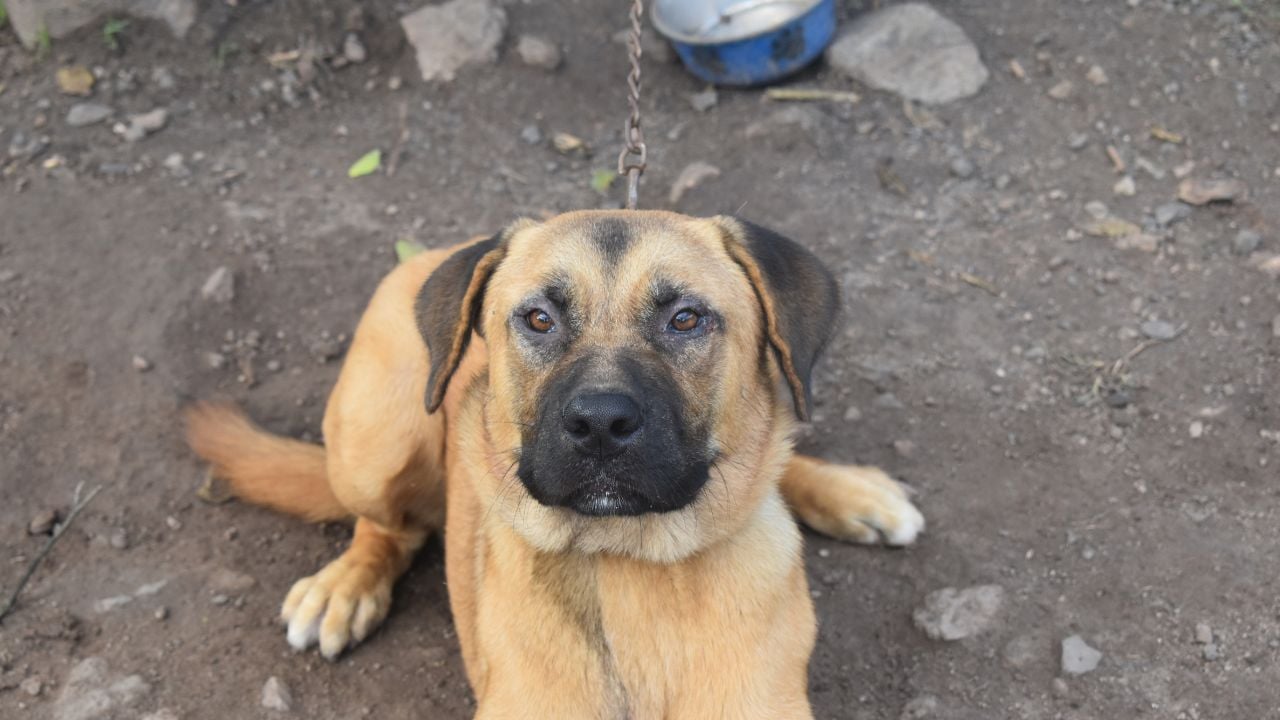
1. Tethering and Neglect
Pennsylvania’s tethering law sets rules for leaving your dog tied up and unattended in the yard.
When every condition is met, tying your unattended dog outside for less than nine hours in a 24-hour period makes the law assume you haven’t neglected it.
In temperatures above 90 or below 32 degrees Fahrenheit, that window shrinks to 30 minutes.
Those conditions include a swivel, a long enough tether, and water and shade.
That assumption stands unless someone proves otherwise.
Other conditions flip the assumption.
A tow or log chain, or a choke, pinch, prong or chain collar, makes the law assume you’ve neglected your dog, unless you prove otherwise.
Open sores or wounds on your dog, or excessive waste where it’s tethered, have the same effect.
A neglect conviction is usually a summary offense, with a fine of $50 to $750 or up to 90 days in jail.
2. Barrel and Freezer Ban
Under state dog law, you can’t house a dog in a drum, barrel, refrigerator or freezer for any period of time.
Even a short stay counts.
That makes an old freezer or barrel in your yard off limits as dog housing, whatever it’s made of.
The ban applies to you whether you’re the owner or the keeper.
What Breaking Dog Law Costs
A first violation of the barrel and freezer ban is a summary offense, as it is for many other dog law rules.
A judge can order a fine of $500 to $1,000, up to 90 days in jail, or both.
A repeat offense within one year of sentencing becomes a misdemeanor of the third degree.
The fine then runs from $1,000 to $5,000 plus prosecution costs, with up to one year in prison possible.
3. Confinement Rule
Your dog can’t roam free under state dog law.
It has to stay confined to your premises, firmly secured so it can’t stray, or under a person’s reasonable control at all times.
Police officers, state dog wardens and animal control officers have a duty to seize any dog running at large on a public road or someone else’s property.
That duty applies when the owner or keeper isn’t with the dog.
If a seized dog has a proper license tag or permanent identification, officials must send you notice.
Getting the dog back costs a $50 penalty plus detention expenses.
You have five days after receiving that notice to claim your dog.
If you don’t claim it in that time, officials sell your dog or give it to a humane society.
4. Shelter Standard
If your dog stays in the yard, the state’s animal cruelty law says it needs access to clean and sanitary shelter and protection from the weather.
That shelter has to be enough to let your dog keep its body heat and stay dry.
Neglect becomes a misdemeanor of the third degree if it hurts your dog or puts it at imminent risk of serious bodily injury.
Shelter is only one duty.
Food, water and veterinary care are on the same list.
5. Dangerous Dog Pens
Once a Magisterial District Judge deems your dog dangerous, Pennsylvania dog law changes how it can live in your yard.
Your dog then has to stay indoors or in a securely enclosed and locked pen.
Pens need a secure top.
If a pen has no bottom attached to the sides, the sides must go at least two feet into the ground.
The dog can leave the enclosure only when it’s muzzled, on a substantial chain or leash, and under a responsible person’s physical restraint.
That rules out letting it roam your yard.
You have to post a clearly visible warning sign on the property.
You’ll also need a surety bond or insurance of at least $50,000 to cover injuries the dog inflicts.
Registration costs $1,000 every calendar year for as long as the dog lives.
If you don’t register your dangerous dog or keep it in a proper enclosure, you commit a misdemeanor of the third degree on a first offense.
A repeat violation is a misdemeanor of the second degree, with a fine of up to $5,000 plus quarantine, kennel and destruction costs.
That also brings a seizure and destruction order, so you must forfeit the dog to a dog warden or police officer immediately.
6. Philadelphia’s Code Blue Rule
Breaking Philadelphia’s Code Blue rule is a Class III violation under the city code, with a minimum fine of $500.
The city ordinance restricts leaving a dog outdoors whenever the city declares a Code Blue, Code Grey or Code Red weather emergency.
Brief walks and brief periods of exercise are exempt.
Otherwise, your dog counts as outdoors unless it has access to a doghouse in good repair.
That doghouse has to be moisture-proof, windproof and ventilated, with a solid floor raised at least two inches from the ground.
In a Code Blue or Code Grey, it also needs a windbreak at the entrance.
Heat counts too.
In a Code Red, your dog needs a shaded area big enough for its whole body.
Psst! How much do you know about Pennsylvania’s dogs? Take our quiz and see how many you can get right.
Quiz
Dog Trivia
Answer these questions on Pennsylvania’s dogs, from licenses to legends. We bet you can’t get them all right. Prove us wrong?
Which breed did Pennsylvania adopt as its official state dog in 1965?
7. Poison Placement Ban
Pennsylvania dog law bars you from placing poison or any other harmful substance where dogs can easily find and eat it.
Your yard isn't exempt.
Breaking that ban is a summary offense.
Putting out poison with the intent that dogs eat it is a misdemeanor of the second degree.
The penalty is a fine of $1,000 to $2,000, up to two years in prison, or both.
A subsequent conviction for intentional poisoning is a felony of the third degree.
8 Pennsylvania State Park Rules Visitors Get Fined for Every Fall

You might plan a fall trip to a Pennsylvania state park.
Fall also brings hunting season to many state parks, which changes what visitors can do.
8 Pennsylvania State Park Rules Visitors Get Fined For Every Fall
15 Normal Things From the 1950s That Are Banned in Pennsylvania Today

Decades ago, you could ride in a truck bed and sleep in pajamas that could catch fire in seconds.
Much of that normal life is gone now.
15 Normal Things From the 1950s That Are Banned in Pennsylvania Today
