
6 Bottle Deposit Rules Nutmeggers Still Get Wrong After Connecticut’s Switch to a Dime

That can with an old 5-cent label gets you a dime back in Connecticut.
The deposit doubled in 2024, but Nutmeggers still get some of the details wrong.
Here are the bottle deposit rules Nutmeggers still get wrong after Connecticut’s switch to a dime.
Note: This is general information, not legal advice. Bottle Bill rules, fees and limits are subject to change, so confirm the current requirements with the Connecticut Department of Energy and Environmental Protection.
1. Kombucha and Coffee Containers
Connecticut’s Bottle Bill doubled the old nickel deposit to 10 cents on January 1, 2024, and it covers far more than soda and beer.
Its list of covered drinks grew a year earlier, when the expanded law took effect on January 1, 2023.
It now reaches any water you pick up, flavored included, plus juice, tea, coffee, kombucha, and sports or energy drinks.
Hard cider and malt-based hard seltzer are on the list too.
Size decides the rest.
Carbonated drinks qualify from 150 milliliters up to 3 liters, and noncarbonated drinks from 150 milliliters up to 2.5 liters.
That puts your 2-liter bottle of iced tea on the list, but a gallon jug of water holds about 3.8 liters and has no deposit.
What the Dime Adds to a Case
Connecticut’s 10-cent deposit adds $2.40 to a 24-can case of seltzer.
A 30-can case adds $3.00 in deposits, and a six-pack adds 60 cents.
Before January 1, 2024, that same 24-can case carried $1.20 in deposits.
Cans thrown in the trash or curbside recycling leave those dimes unclaimed.
2. Store Take-Back Duty
Every store that sells covered drinks has to take back empties and pay the deposit refund, but only for the kinds and sizes it sells.
The catch is the brand.
Stores must take back only the brands they carry, so a case of another label’s cans can be turned away.
Many shoppers still assume a store takes back any brand.
Return hours match the store’s operating hours, so you can bring empties any time the doors are open.
Crushed or flattened cans count if the deposit information is still visible, but a container with a cigarette butt or other foreign object inside can be refused.
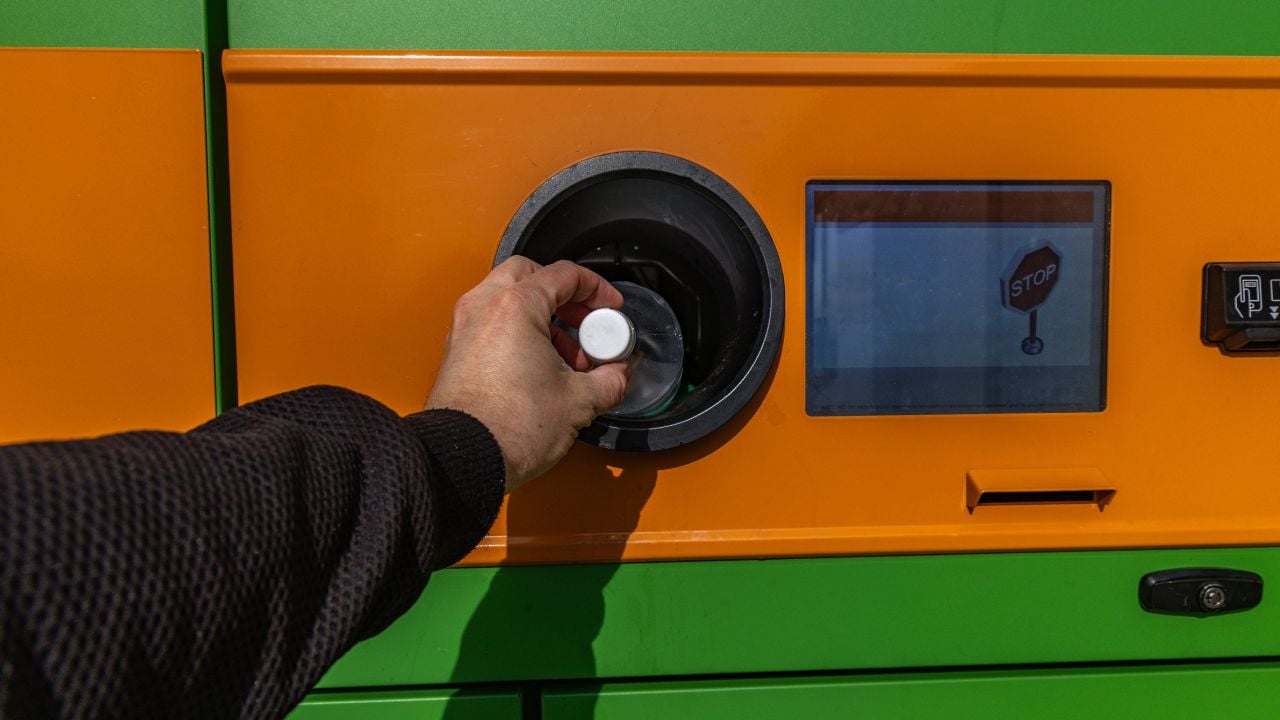
If an odd-shaped bottle won’t read in the reverse vending machine, you can return it at the customer service desk instead.
3. Redemption Center Limits
Redemption centers are private businesses, and each one chooses which kinds, sizes and brands of bottles and cans it takes.
Containers from craft brewers or specialty vendors can generally be refunded only where you bought them.
Then there’s volume.
A 2026 law adds a daily cap.
A center can’t accept more than 4,000 containers in one day from one person, unless that person is a nonprofit or a verified fundraiser.
Bring your driver’s license if you’re returning more than 1,000 containers in a day.
The center has to keep your name, your plate number and a copy of your license on file.
Since July 1, 2026, centers also need a license from the Department of Energy and Environmental Protection (DEEP), which carries a $2,500 application fee.
Psst! How much do you know about deposits in other states? Take our quiz and see if you can ace it.
Quiz
Deposit Law IQ
Answer these questions on bottle deposit laws in other states. We bet you can’t get them all right. Prove us wrong?
Which state’s 1971 bottle bill does its environmental agency call the first in the country?
4. Out-of-State Cans
Only containers sold in Connecticut earn the dime, and returning one bought elsewhere, or one already redeemed, is illegal under a 2024 law.
Many road-trip cans still end up in return machines here anyway.
Stores and redemption centers can turn those containers away, so your out-of-state empties may not pay.
Each must also post a redemption warning sign where you return empties.
Penalties changed in 2026.
Fines for breaking the Bottle Bill now start at $500.
A third offense carries a $2,000 minimum and counts as a class A misdemeanor.
Municipal police officers can enforce those rules now too.
Since October 1, 2026, willfully cashing in 5,000 to 30,999 out-of-state containers in a year is a misdemeanor.
At 40,000 or more, it's a felony.
5. Nips and Spirit Seltzers
Miniature alcohol bottles sit outside the Bottle Bill, along with any other container under 150 milliliters.
Hard seltzers made with spirits or wine aren't covered either, so the malt-based kind is the only hard seltzer in your cart that pays a refund.
Nips, which are miniatures of 50 milliliters or less, carry a 5-cent surcharge instead, and it has applied since October 1, 2021.
No refund.
That nickel goes to the town where you buy the nip, which uses it for litter and solid-waste measures.
6. Old 5-Cent Labels
Connecticut's deposit is 10 cents on every covered container, even when you're holding one with an old 5-cent label.
Stores can sell through existing inventory with older 5-cent labels, and the higher deposit still applies at the register.
That means an 18-pack with 5-cent printing still adds $1.80 to your total.
Newer labels look different.
Some may read "Redemption Value" or use the shorthand "CTRV" under a 2022 order from the DEEP commissioner.
Nickel Bill That Stalled
A 2026 bill would have cut your Bottle Bill deposit back to 5 cents if the statewide redemption rate topped 100%.
Lawmakers never called that bill for a vote in either chamber, The Connecticut Mirror reported.
Your dime survived.
DEEP's page, last updated September 17, 2026, still lists 10 cents.
Handling Fees Behind the Dime
Under the Bottle Bill, distributors pay stores and redemption centers a handling fee on top of your 10-cent refund.
The fee is 2.5 cents on each beer, hard cider or other malt beverage container, and 3.5 cents on each soft drink or noncarbonated container.
Your dime stays a dime.
A 2026 law requires a cut of up to one cent in that fee at centers that redeem 50 million or more containers a year without scanning every barcode.
DEEP says the cut took effect at certain centers on May 1, 2026, and the law's reduction period runs through June 30, 2027.
What Publix Says About Pub Sub Prices, and What It Never Has
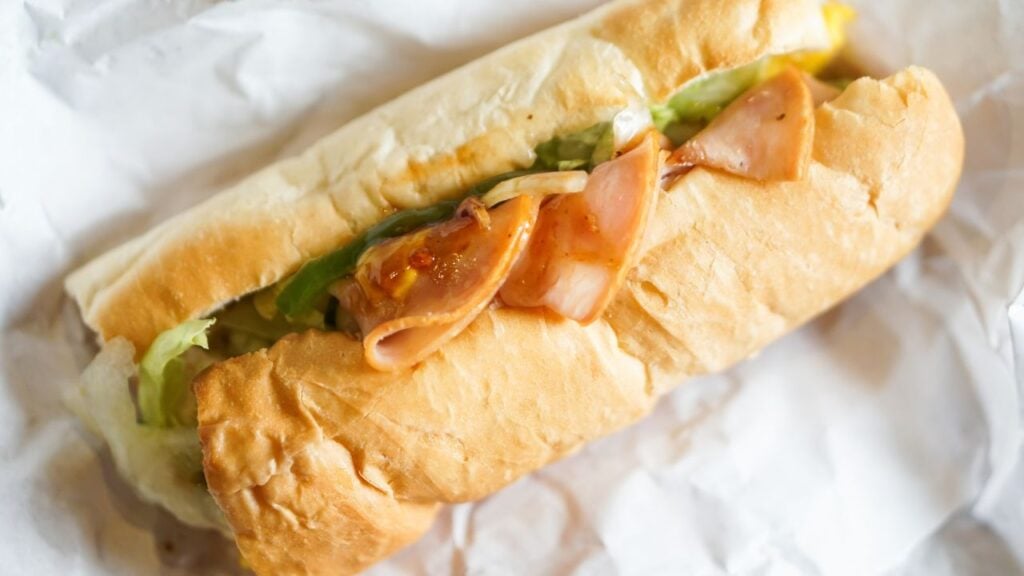
Ever stood in the Publix sub line wondering what your Pub Sub will run you?
It's a fair question at the deli counter, and the answer isn't as simple as the sandwich.
What Publix Says About Pub Sub Prices, and What It Never Has
