
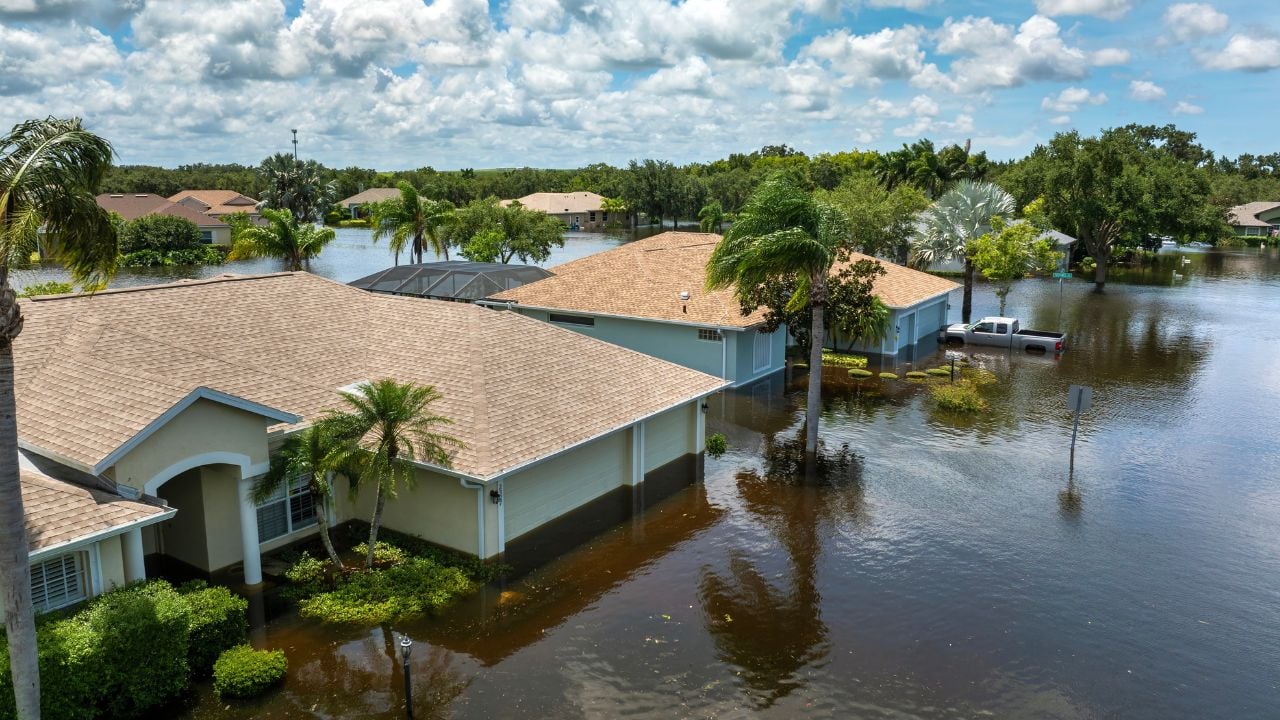
6 Florida Home Insurance Rules That Catch Homeowners Off Guard at Renewal

Your Florida home insurance renewal arrives, and it’s tempting to drop it in the pile and deal with it later.
Florida law decides more of what’s in that packet than you might expect.
Here are the Florida home insurance rules that catch homeowners off guard at renewal.
Note: This is general information, not insurance or legal advice. Policy terms and insurance rules are subject to change, so check the specifics with your insurer or agent.
1. 15-Year Roof Rule
Your home insurance renewal can hinge on how old your roof is.
Florida law bars an insurer from refusing to renew a homeowner’s policy solely because of the age of a roof that’s under 15 years old.
Once your roof hits 15, the insurer has to let you pay for an inspection by an approved inspector before it can require a new roof.
If the inspector finds five or more years of useful life left, the insurer can’t refuse to renew over roof age alone.
The catch?
The roof rule doesn’t apply to mobile home policies.
It also leaves an insurer free to nonrenew for other lawful reasons, so a roof that passes inspection doesn’t guarantee your renewal.
How Florida Measures a Roof’s Age
Florida’s roof rule for home insurance measures a roof’s age from the last date that 100 percent of the roof’s surface was built or replaced.
A roof replaced in stages gets a second way to count.
The age can run from the date of the first stage, as long as the later stages eventually covered 100 percent of the surface.
The roof inspector has to be approved by your insurer.
Licensed home inspectors, roofing contractors, engineers and architects are among those who can qualify.
2. Citizens’ 20 Percent Test
At Citizens Property Insurance Corporation, which covers homeowners who can’t find private coverage, home insurance renewal works differently.
When a private insurer makes you an offer at renewal, state law has Citizens compare the two premiums.
On a primary residence, you can stay with Citizens only if the private premium is more than 20 percent higher than Citizens’ renewal premium for comparable coverage.
That test applies to policies that renew on or after April 1, 2023.
Both premiums include any surcharge or assessment applied to the policy.
Say Citizens renews you at $4,000 and a private insurer offers $4,800.
That’s exactly 20 percent higher, which isn’t enough, so you’d no longer be eligible.
But $4,900 clears the bar.
That extra $100 decides whether you can keep your Citizens policy.
3. Renewal and Nonrenewal Deadlines
Two notice deadlines apply to your home insurance policy as renewal approaches.
Your insurer has to send written notice of your renewal premium at least 45 days ahead of renewal.
That notice has to show, in dollars, what your insurer recouped for assessments, such as those from the Florida Hurricane Catastrophe Fund.
A notice of nonrenewal generally has to arrive at least 120 days ahead and state the reason.
The upside?
That gives you about four months to shop around for replacement coverage.
If your insurer skips a required notice, your coverage generally doesn’t simply end.
You stay covered until replacement coverage starts or until the required notice period has passed after the notice is given, whichever comes first.
4. Nonrenewal After a Claim
A covered claim limits when your home insurance company can cancel or nonrenew your policy.
The limit lasts until your home is repaired, or until one year after the final claim payment, whichever comes first.
Hurricane or wind damage tied to a declared emergency and a state order follows a different rule, with the limit running 90 days after repairs are done.
If your insurer chooses to nonrenew a damaged home, it has to give you at least 90 days’ notice.
That notice has to say the policy will end 90 days after the repairs are complete.
There are exceptions.
Nonpayment of premium lets your insurer act before repairs on 10 days’ notice.
Claim fraud, an unreasonable delay in repairs or a claim that paid your policy limits each let it act on 45 days’ notice.
5. Law and Ordinance Opt-Out
Law and ordinance coverage comes built into a Florida home insurance policy, up to 25 percent of the dwelling limit, unless you reject it in writing.
That coverage pays the added cost of meeting building laws and ordinances when your insurer repairs or replaces a damaged home.
Insurers have to notify you the coverage is available at least once every 3 years, on a form the Office of Insurance Regulation approves.
Your policy also has to carry a bold-type statement at every renewal calling it an important coverage you may wish to purchase.
If you rejected the coverage in the past, a policy that later renews doesn’t have to include it.
So an old rejection can follow your policy from one renewal to the next.
A written request restores it.
6. Hurricane Deductible in Dollars
If your home insurance has a separate hurricane deductible, your renewal has to show it to you in dollars, not just a percentage.
The figure has to appear on the renewal declarations page or the premium renewal notice.
Each renewal also comes with notice that other hurricane deductible amounts are available.
The percentage options are set against the policy’s dwelling limit, so the dollars move when the limit does.
A 2 percent deductible on a $400,000 dwelling limit is $8,000.
That’s $20,000 at 5 percent.
If your limit rises to $450,000 at renewal, that 2 percent figure becomes $9,000.
State law applies the hurricane deductible on an annual basis, so covered hurricane losses with the same insurer in one calendar year count toward a single deductible.
Psst! How much do you know about Florida homeowners insurance claims? Take our quiz and see how many you can get right.
Quiz
Home Insurance Claims IQ
Answer these questions on Florida homeowners insurance claims and deadlines. We bet you can’t get them all right. Prove us wrong?
How long after the date of loss do you have to give your insurer notice of a new property insurance claim in Florida?
The Wind Mitigation Form
Home insurance companies all use one state-developed form, the uniform mitigation verification inspection form, when you submit one for a wind discount.
Licensed home inspectors, building code inspectors, contractors, engineers and architects are among those whose signature an insurer has to accept.
An insurer may, but doesn't have to, accept a form from anyone outside that list.
How long does it last?
The Office of Insurance Regulation says a completed form is valid for up to five years, provided no material changes are made to the structure.
So the form from your last inspection may still count at your next renewal.
8 Unpermitted Home Projects That Come Back to Cost Florida Homeowners
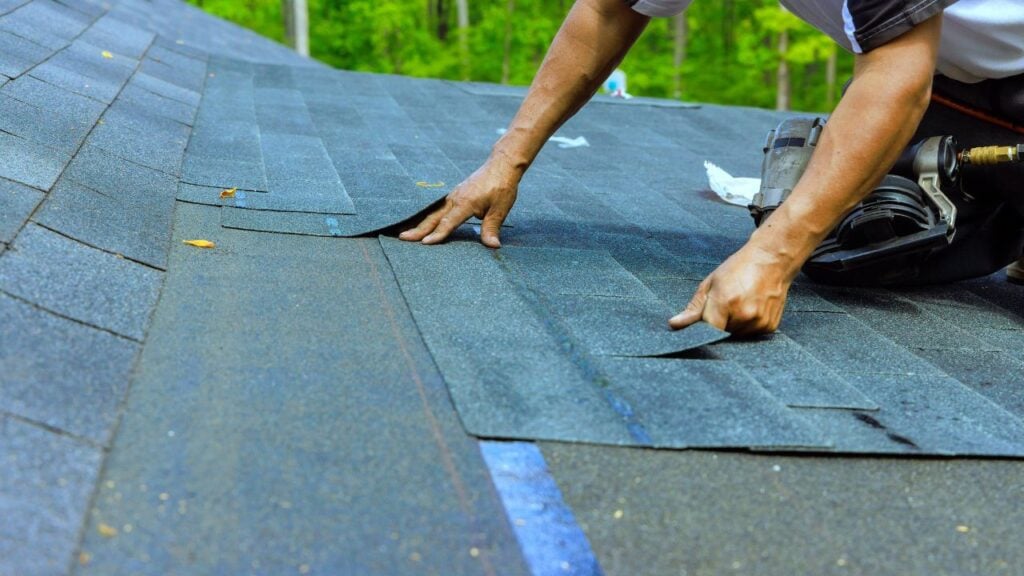
Skipping the paperwork on a home project can feel like a harmless shortcut.
In Florida, it can come back to bite you, and these are the jobs where the shortcut gets pricey.
8 Unpermitted Home Projects That Come Back to Cost Florida Homeowners
8 Squatter Rules That Leave Florida Homeowners Powerless Until It's Too Late
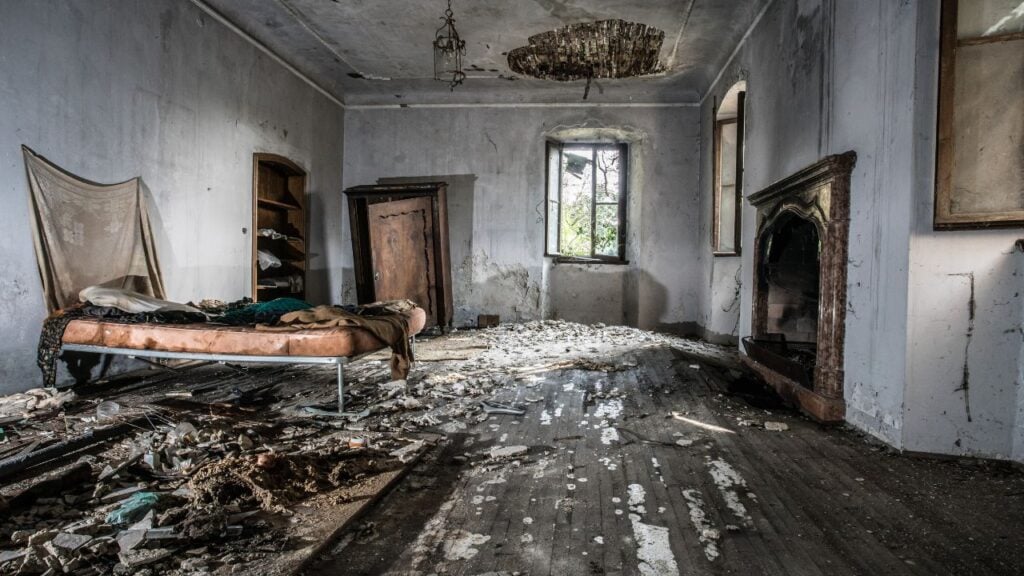
Finding a stranger living in a property you own is stressful, and it's hard to know where to turn.
Florida has protections aimed at the problem, but they come with caveats that can surprise owners.
8 Squatter Rules That Leave Florida Homeowners Powerless Until It's Too Late
