
6 Foods Oregonians Miss the Moment They Move Out of State

An 18-mile stretch of Clatsop beaches produces more than 90% of Oregon’s harvested razor clams.
Oregonians who move away can’t take a beach like that with them.
Here are the foods Oregonians miss the moment they move out of state.
1. Marionberries
More than 90 percent of the world’s marionberry acreage is in Oregon.
Plant breeder George Waldo of the U.S. Department of Agriculture bred the berry, and it was released in 1956.
Machines usually shake the ripe berries off the plants in July.
Over 95 percent of the crop becomes frozen fruit, puree and juice.
Jams, ice cream and other products made with marionberries are popular in the state.
Oregon’s legislature named marionberry pie the official state pie in 2017.
Tasting Table wrote in June 2026 that it’s unlikely you’ll casually discover marionberry pie on the East Coast.
The article adds that East Coasters may find the berries imported cross-country in frozen form.
Stock your freezer before leaving.
2. Rogue River Blue Cheese
Rogue River Blue comes from Rogue Creamery in Central Point, Oregon.
The creamery says Rogue River Blue is a limited edition, seasonal cheese, made only during the fall months, when the cows’ milk is at its best.
It also says the cheese is made with certified organic pasteurized cow’s milk.
It adds that any wheel you buy has aged at least nine months in its caves.
Wheels weigh about 5 pounds.
In 2019, Rogue River Blue won the World Cheese Awards out of more than 3,800 entries, the first win for a U.S. cheese.
Every autumnal equinox, the creamery celebrates the release of that year’s new Rogue River Blue.
3. Razor Clams
An 18-mile stretch of Clatsop beaches produces more than 90 percent of Oregon’s harvested razor clams.
Recreational diggers account for over 80 percent of the total harvest.
The clams live on stable, sandy, surf-swept beaches of the open coast and some coastal bays.
Razor clams reach 3.5 inches in their first year and about 4.5 inches by their second.
They mature in year two.
About 95 percent of the young clams that reach the beach die of natural causes before maturity.
Plan on low tide, since minus tides give you the best clamming.
The clams sit nearer the surface when ocean swells are low.
In 2025, the Oregon Department of Fish and Wildlife announced that Clatsop beaches would reopen for razor clamming on October 1 after an annual conservation closure that began July 15.
4. Black Raspberries
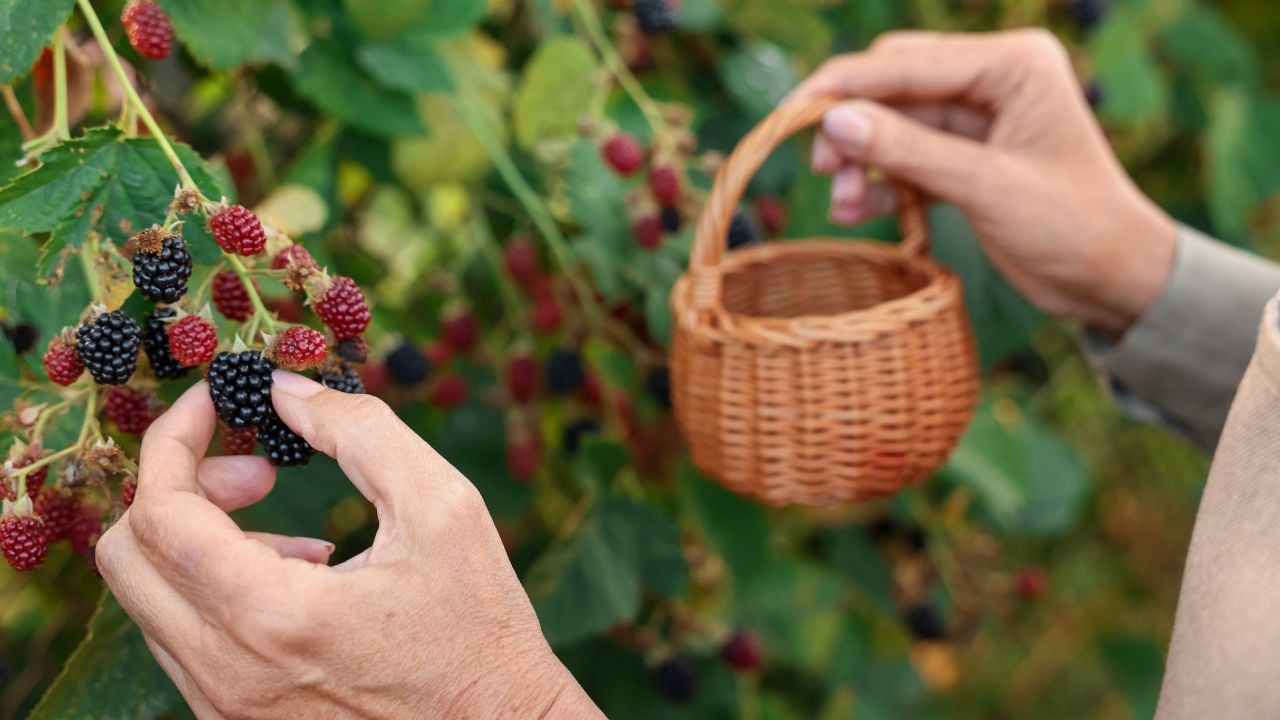
Oregon grows 99 percent of the farmed black raspberries harvested each year.
Black raspberries are among the hardest berries to grow, the Statesman Journal reported.
A field yields about 500 pounds per acre, compared with 10,000 to 20,000 pounds for other berries.
Even in a perfect season, they’re available for only about three weeks.
Harvest starts in early July.
You aren’t likely to find fresh black raspberries at a farmers market or roadside stand.
The pigment of black raspberries is so dark that it can be used as a coloring agent.
Black raspberries also go into specialty jams, jellies, ice cream and natural health products.
FreshPlaza reported in 2019 that the delicate berries have to be shipped frozen to any market outside Oregon.
5. Pacific Golden Chanterelles
Oregon’s legislature chose the Pacific golden chanterelle as the official state mushroom in 1999.
The mushroom is found in large numbers in Oregon and is coveted for its culinary value.
It grows among Douglas-fir, hemlock and spruce.
The Pacific golden chanterelle has an orange and yellow funnel-shaped cap.
In the Pacific Northwest, the mushrooms usually appear from late summer to late winter.
Because chanterelles connect with tree roots, they’re difficult to cultivate.
Wild chanterelles are a major fall crop for commercial pickers and mushroom enthusiasts alike.
In the Willamette National Forest, you can pick less than a gallon of mushrooms per person per day without a permit or fee.
Matsutakes are the exception.
Psst! How much do you know about Oregon’s food and farms? Take our quiz and see if you can ace it.
Quiz
Oregon Food IQ
Answer these questions on Oregon food and farm facts. We bet you can’t get them all right. Prove us wrong?
What is each wheel of Rogue River Blue hand-wrapped in?
6. Native Truffles
Oregon has four native truffle species that count as gourmet edibles, according to Oregon State University Extension.
They're the Oregon Winter White, Oregon Spring White, Oregon Black and Oregon Brown truffles.
The gourmet kinds are only found near Douglas-firs.
The white kinds have a complex aroma of garlic, spices and cheese.
The aroma of a young Oregon Black truffle resembles pineapple.
Oregon Black truffles are most prolific in the Coast Range foothills above the Willamette Valley.
Trained dogs can smell ripe truffles from over a hundred yards away.
Truffles are only fully fragrant for about a week.
Truffles harvested before they're mature won't develop aromas or ripen.
Stored refrigerated and kept dry, your truffles last about a week.
Harvest runs September through June.
Oregon's governor proclaimed February 2024 Oregon Truffle Month, calling February the peak of Oregon truffle season.
The proclamation says the peak draws hundreds of people from around the country to Oregon's rural communities where truffles are found.
It also says Oregon is recognized as one of the top five truffle regions in the world.
Foods That Travel Well
Virtually all hazelnuts grown commercially in the United States come from the Pacific Northwest.
About 99 percent of those are grown in Oregon's Willamette Valley, with Washington producing the remaining 1 percent.
If you buy U.S.-grown hazelnuts in your new state, they'd almost certainly come from the Northwest.
A Pronto Pup is a hot dog on a stick, dipped in a cornmeal-based batter and deep-fried.
It was invented in Oregon and marketed nationwide beginning in the 1940s.
Pronto Pups reached the Minnesota State Fair in 1947, setting off a craze that the Oregon Encyclopedia says continues to this day.
9 Oregon Town Names Locals Pronounce Nothing Like They're Spelled

Read an Oregon road sign out loud and someone may politely correct you.
These town names look one way on the map and sound another way out loud.
9 Oregon Town Names Locals Pronounce Nothing Like They're Spelled
8 Rain Habits That Give Away a Lifelong Oregonian
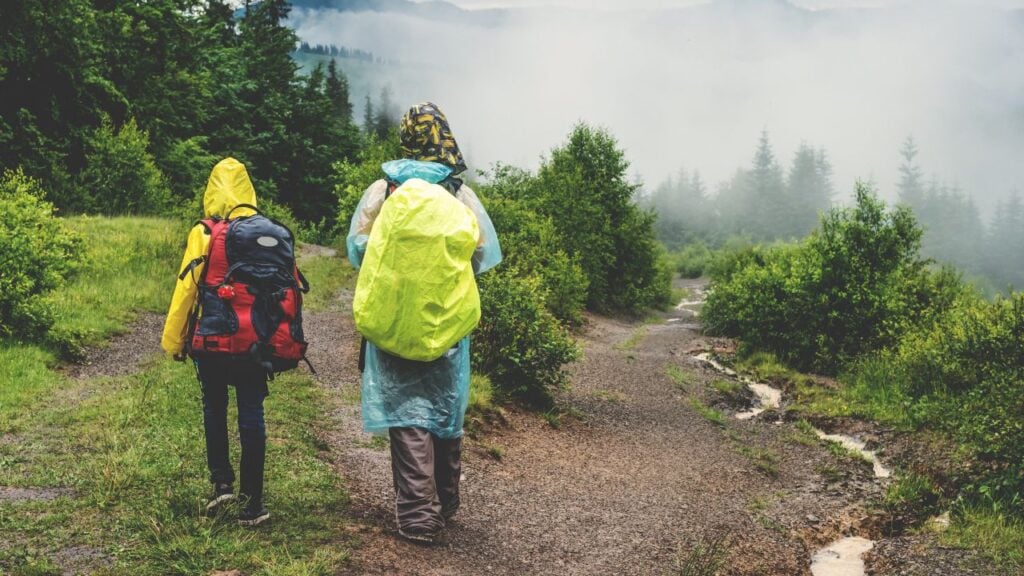
Many Oregonians have learned to live with rain.
The small habits that come with it are easy to miss, even for the people who have them.
