
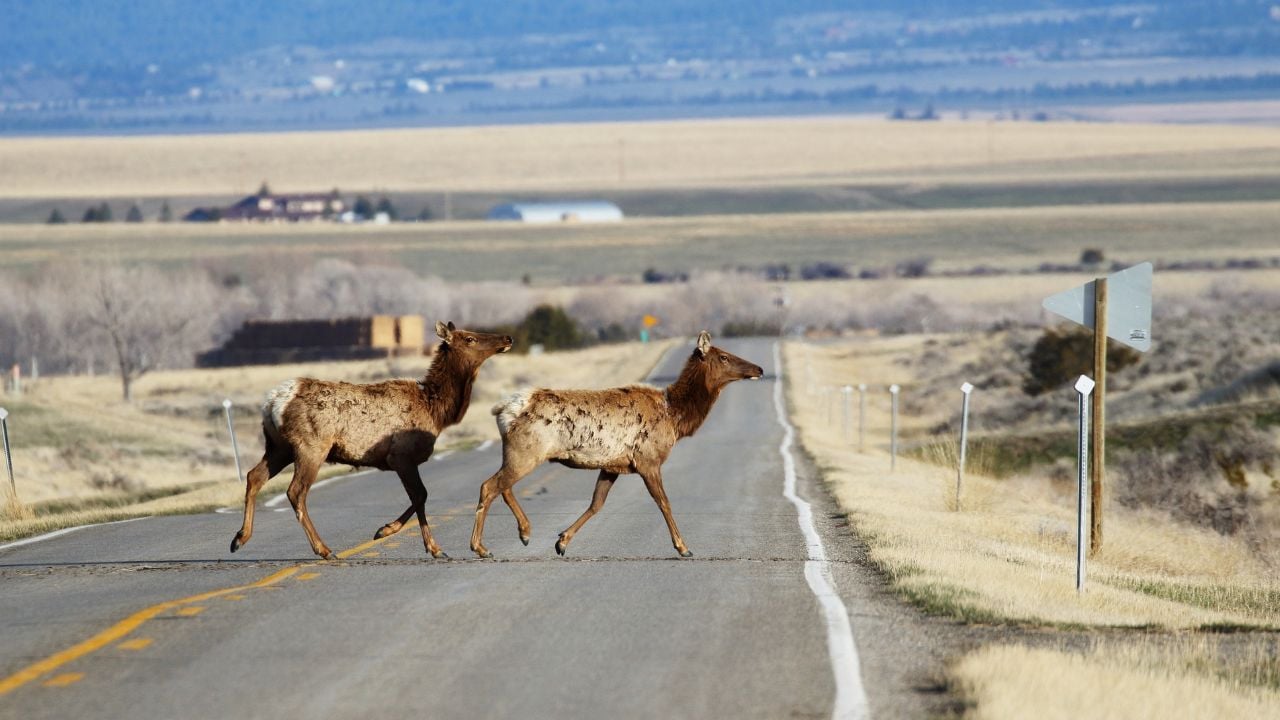
Montanans Can Legally Take Home Roadkill. 5 Rules That Come With the Permit

You hit a deer on a Montana road, and you’re standing on the shoulder with your phone out.
What’s on that screen won’t count.
Here are the rules that come with Montana’s roadkill permit.
Note: This is general information, not legal advice. Salvage rules and permit requirements are subject to change, so confirm the current requirements with Montana Fish, Wildlife & Parks.
1. Applying Within 24 Hours
Montana Fish, Wildlife & Parks (FWP) gives you 24 hours from the time you take the animal into your possession to get the permit.
The clock runs from the time you take possession, so it’s worth applying as soon as you can.
The permit costs nothing.
You can apply online, or you can ask a law enforcement officer at the scene.
You don’t have to be the driver who hit the animal to apply.
If you take a deer home on Friday night, your window closes Saturday night.
2. Only Deer, Elk, Moose and Antelope
Only white-tailed deer, mule deer, antelope, elk and moose qualify for the permit, according to FWP.
If you hit anything else, a black bear or a pheasant, say, the permit doesn’t cover it.
The animal has to have died accidentally in a vehicle collision, so you can’t salvage a deer somebody shot.
Nor can you kill an injured or wounded animal you come across in order to salvage it.
Only a law enforcement officer at the scene of a collision can put down an animal hurt in that crash.
Hunting carcass tags don’t go on road-killed animals.
3. Removing the Whole Animal
As the permit holder, you have to remove the entire animal from the roadway, and entrails and every other part of the carcass have to leave the site too.
Field dressing is fine before the animal leaves the area, as long as the entrails go with you.
Park your vehicle off the roadway and out of the line of traffic.
Where Roadkill Leftovers Can’t Go
You can’t dump what you can’t use.
It’s illegal to dispose of carcasses or parts within 200 yards of a public highway.
Meat that’s unfit to eat and parts you can’t use have to go to a legal disposal site, and dumping them on public property is prohibited.
4. Eating the Meat, Not Selling It
With the permit, you can keep the meat and every other part of the animal.
That includes the hide, hooves, horns and antlers, so a rack from a collision can legally be yours.
The meat has to be used for human consumption.
Selling it or using it as bait isn’t allowed.
Psst! How much do you know about Montana? Take our quiz and see if you can ace it.
Quiz
Big Sky Wildlife IQ
Answer these questions on Montana hunting rules and state symbols. We bet you can’t get them all right. Prove us wrong?
What is Montana Food Bank Network’s policy on donated road-killed game?
5. Carrying a Signed Paper Copy
FWP requires a printed permit, and it isn't valid until you sign it.
It has to stay in your possession.
Electronic versions captured on mobile devices aren't acceptable, so a screenshot won't work.
The online application system isn't designed for mobile devices, so plan on a computer and a printer if you apply online.
The application has to be completed in full.
A false statement on the application may make you criminally liable.
Meat-Safety Debate
Montana's roadkill law passed over skeptics who questioned whether the meat was safe to eat.
Supporters who didn't want it to go to waste won out, according to the Flathead Beacon.
FWP still makes no guarantee that wild animal meat collected under a salvage permit is fit to eat.
Before you cook any of it, the final call on whether it's safe is yours.
Who Can Issue the Permit
Montana's 2013 law lets a peace officer issue a salvage permit for an animal killed in a vehicle collision.
It defines a peace officer to include sheriffs, deputy sheriffs, undersheriffs, police officers and highway patrol officers.
Fish and game wardens, park rangers, campus security officers and airport police officers are on the list too.
You aren't limited to a game warden, since the list covers many kinds of officers.
If one of those officers is at the scene, you can ask about a permit.
How Often Drivers Hit Wildlife
Maintenance crews collect more than 6,000 wildlife carcasses each year, and the Montana Highway Patrol responds to an average of 3,200 wildlife-vehicle collisions a year, according to MDT.
Only some of what you might hit qualifies for the permit, and you'd still have to apply for it.
What FWP Can Check
FWP can inspect any animal taken under a salvage permit, as well as the site where it was found and removed.
Officers can also inspect the animal, its parts and its meat, and they can ask you to show them where you found it.
Because the site can be inspected too, you'll want every part of the carcass gone before you leave.
7 Rules Montana Ranch Roads Follow That Aren't Posted Anywhere
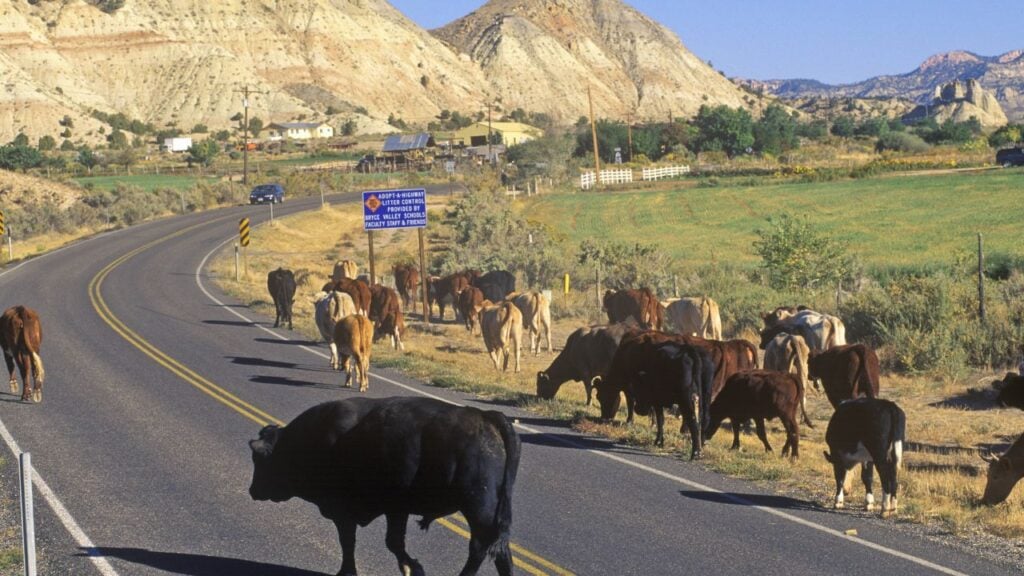
A Montana gravel road can run for miles without a single sign.
Out there, a newcomer can easily miss what's expected of them.
7 Rules Montana Ranch Roads Follow That Aren't Posted Anywhere
7 Montana Driving Laws Most Drivers Have Never Heard Of
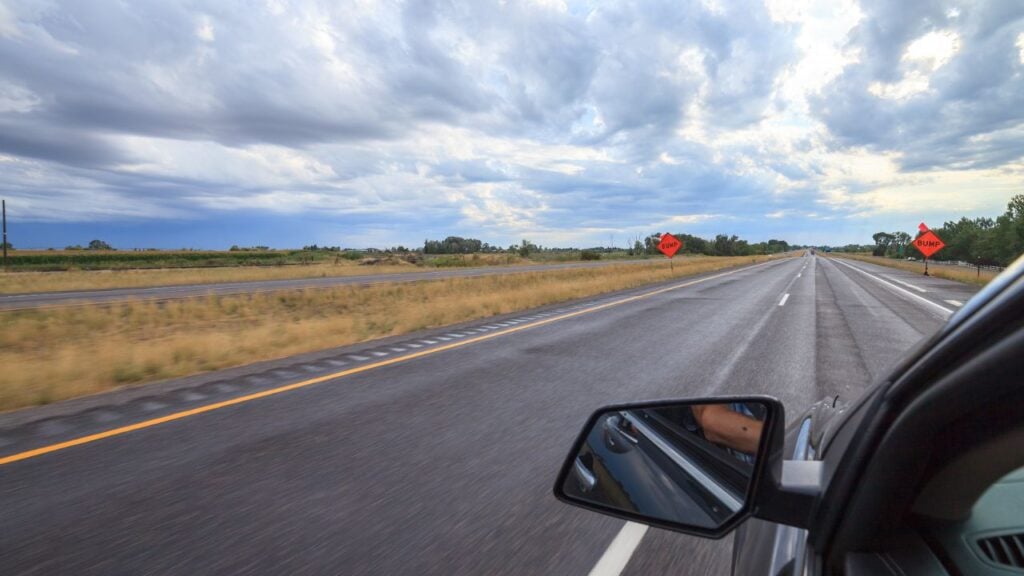
Heading down a long Montana grade, you might be tempted to shift into neutral to save gas.
Don't.
