

4 Virginia Energy Assistance Programs Many Households Never Apply For

Groceries and rent can already stretch a budget thin before it’s even time to turn the heat on.
On Oct. 13, 2026, the Virginia Department of Social Services opened applications for one of its energy assistance programs.
The window closes Nov. 13.
These are the Virginia energy assistance programs many households don’t apply for but should.
Note: This is general information, not financial advice. Program rules, dates and dollar amounts are subject to change, so confirm the current details with your local department of social services.
1. Crisis Assistance
Crisis Assistance, part of Virginia’s Energy Assistance Program, covers heating emergencies, and a cut-off notice counts as one.
The Department of Social Services also lists no heat and unsafe equipment as heating emergencies.
A cut-off notice counts as a heating emergency, even if your heat is still on.
Crisis Assistance can help you repair or replace heating equipment, buy fuel, pay your primary heat utility bill, or put down a security deposit.
Equipment and security deposit applications run Nov. 1 to March 15.
Help with fuel and utility bills opens in January and also closes March 15.
State rules add two conditions: You can’t have received the crisis maximum already this year, and neither you nor community resources can cover the emergency.
2. Fuel Assistance
Fuel Assistance offsets home heating costs, and you can only apply during a narrow window each fall.
The state rule sets that window as the second Tuesday of October through the second Friday of November, and Fairfax County‘s 2026 notice lists those same dates.
Eligibility notices go out in late December.
Some households are pre-approved, while others still need to apply.
To qualify, you have to be responsible for a heating bill, with gross monthly income at or below 150% of the federal poverty level.
Your benefit depends on your income, household size, and fuel type, among other factors.
The Fuel Assistance Income Line in Dollars
Fuel Assistance looks at gross monthly income, which means your household’s income before taxes.
At 150% of the 2026 federal poverty guidelines, the math comes to $1,995 a month for one person.
It’s $2,705 for two people and $4,125 for four.
Your local department of social services can tell you the exact limit for your household.
3. Cooling Assistance
Someone age 60 or older, a person with a disability, or a child under 6 has to live in your home for Cooling Assistance to apply.
It isn’t only for seniors.
Cooling Assistance can help you pay for a window air conditioner or its installation, repairs to a central air conditioner or heat pump, and electric bills or deposits.
Applications run from mid-June to mid-August (the Department of Social Services page lists Aug. 17), so this summer’s window has closed.
State rules also say the window can close early if funds run out, and it opens only when federal funding is available.
Many households with an older parent or a young child don’t think of cooling help as something they can apply for.
4. Weatherization Assistance
Weatherization Assistance upgrades your home with insulation and air sealing to lower your utility bills, though it doesn’t pay them.
The Department of Housing and Community Development (DHCD) runs it, not the Department of Social Services.
Typical work includes sealing air leaks with insulation, caulking, or weather-stripping, and repairing drafty duct systems.
The program can also repair or replace heating and cooling systems that are inefficient or unsafe.
You apply by contacting the local provider for the county where your home is.
DHCD posts its income limits in a separate document, so check them before you call.
Call DHCD at 804-371-7000.
Psst! How ready are you to ask for energy help? Run through this checklist and see where you stand.
Where to Apply
Fuel, Crisis, and Cooling Assistance all share the same three ways to apply.
You can apply online through CommonHelp.
Phone applications go through 855-635-4370, Monday through Friday, from 7 a.m. to 6 p.m.
Paper forms come in English and Spanish for each program.
If you’d rather talk face to face, local departments of social services list offices for in-person help.
Percentage of Income Payment Program
The Percentage of Income Payment Program (PIPP) sits outside those programs, and you apply through the Department of Social Services.
PIPP is for Dominion Energy and Appalachian Power customers with household income at or below 150% of the federal poverty level.
If you heat with electricity, you pay 10% of your income.
If you use another heating source, you pay 6%.
Pay on time, and credits cover the rest of your eligible bill.
The program forgives one-twelfth of your old balance each month you pay in full and on time.
After 12 months of on-time payments, the past-due balance is gone.
You can apply online through CommonHelp or send a paper application to your local department of social services.
Your local department of social services may take up to 30 days to decide if you qualify.
A free home energy audit may be included.
Psst! How much do you know about Virginia’s utility rules? Take our quiz and see how many you can get right.
Quiz
Virginia Utility IQ
Answer these questions on Virginia utility rules and energy assistance. We bet you can’t get them all right. Prove us wrong?
Under Virginia law, an electric utility can’t cut off a residential customer for nonpayment when the forecast low is at or below which temperature?
Dominion EnergyShare
Dominion Energy offers EnergyShare to people who are having trouble paying their energy bills, and it calls the program a last resort.
Dominion's page lists heating help of up to $700 from Oct. 1 to April 30 and cooling help of up to $400 from May 1 to Sept. 30.
Free home energy upgrades are also listed for Dominion customers who have received bill payment help, and they start with a contractor visiting your home for an assessment.
To apply, you call 2-1-1 or visit 211virginia.org to find a local agency.
If you're approved, the payment goes directly to your energy company.
6 Virginia Restaurants That Closed and Are Still Missed
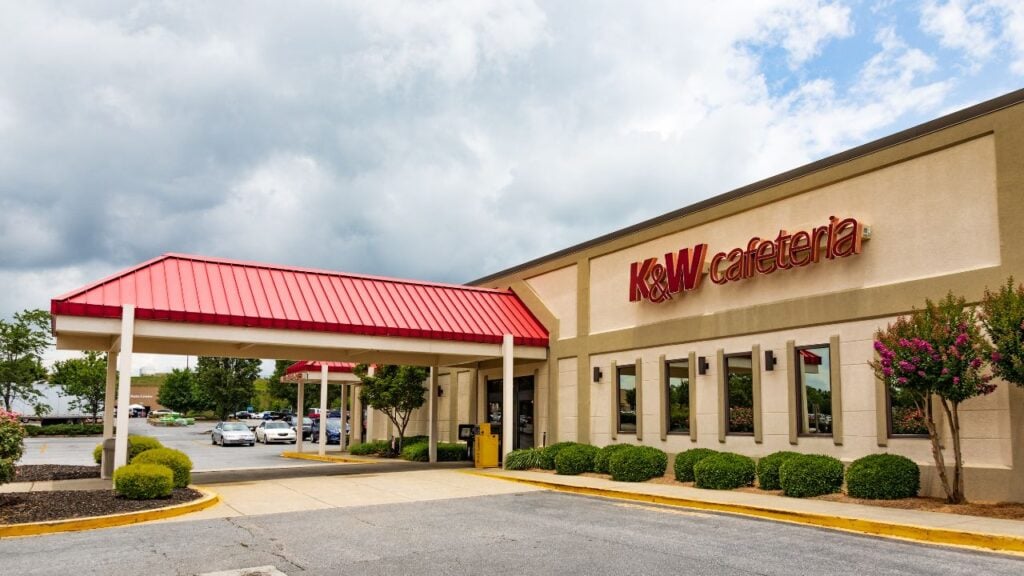
Readers have strong opinions about the restaurants they miss.
Here are some Virginia restaurants that closed and are still missed.
6 Virginia Restaurants That Closed and Are Still Missed
7 Virginia Fall Traditions That Can Only Happen in One Place

When the leaves turn, Virginia gives you many reasons to leave the house on a weekend.
Some fall traditions only happen in one spot, and even lifelong residents may not have heard of all of them.
7 Virginia Fall Traditions That Can Only Happen in One Place
