

7 Michigan Dumpster-Diving Rules Treasure Hunters Should Know Before Looking

You spot a pile of metal beside a Michigan dumpster and start thinking about what it could fetch at the scrap yard.
The trip from the dumpster to the counter has more steps than you’d think.
Here are the Michigan dumpster-diving rules treasure hunters should know before looking.
Note: This is general information, not legal advice. Laws and city ordinances are subject to change.
1. Southgate’s City Code
Southgate, Michigan’s city code bars you from opening a dumpster, tampering with it or removing its contents when it belongs to another person or business.
On its face, that covers lifting a lamp out of a dumpster.
The one exception covers licensed trash and waste haulers doing their jobs, and you aren’t one of them.
Cities write different rules.
Howell’s code takes another angle, making it unlawful to collect solid waste in the city without a state license and a permit.
Whether that reaches you grabbing one lamp is a question for city hall, so check your city’s code before you look.
2. Trespass Law
Dumpster diving behind a store can run into Michigan’s trespass law, even though it never mentions dumpsters.
It’s a misdemeanor to enter another person’s land or premises after the owner, the occupant or their agent has forbidden it.
It’s also a misdemeanor to stay once any of them tells you to leave.
The penalty is up to 30 days in county jail, a fine of up to $250, or both.
If a dumpster sits on fenced or posted farm property, walking in without the owner’s consent can break the law.
No warning is required.
3. Locked Dumpsters
The moment a lock is involved, dumpster diving gets riskier.
If you cut a lock to reach what’s inside, you’re no longer picking through trash.
That lock isn’t yours.
Michigan’s malicious destruction law applies if you willfully and maliciously destroy or injure another person’s personal property.
Damage under $200 is a misdemeanor, with up to 93 days in jail, a fine of up to $500 or three times the damage, whichever is greater, or both.
From $200 to under $1,000, the jail time rises to as much as 1 year and the fine to $2,000 or three times the damage, whichever is greater.
Damage of $1,000 to under $20,000 is a felony, with up to 5 years in prison.
Psst! How much do you know about Michigan? Take our quiz and see how many you can get right.
Quiz
Michigan Quirks IQ
Answer these questions on Michigan’s shoreline law, treasure-hunting rules and official state symbols. We bet you can’t get them all right. Prove us wrong?
In a 2005 Michigan Supreme Court case, the public won the right to walk the Lake Huron shore up to which line?
4. Bottle-Deposit Law
Cashing in dumpster-dive cans and bottles can bring Michigan's bottle-deposit law into play.
You can't return a container to a dealer for a refund if you know or should know it wasn't bought in the state as a filled returnable container.
The same goes if you know or should know that no deposit was paid on it at purchase.
That wording is aimed at out-of-state and no-deposit containers, and the state's environment department says redeeming out-of-state containers on which no Michigan deposit was paid is against the law.
When Dumpster-Dive Bottle Returns Become a Felony
The count sets the penalty.
From 25 to 100 containers, you face a civil fine of up to $100.
Past 100 containers but under 10,000, the misdemeanor carries up to 93 days in jail, a fine of up to $1,000, or both.
At 10,000 containers or more, it's a felony, with up to 5 years in prison, a fine of up to $5,000, or both.
5. Littering Fines
Pull things out of a dumpster and leave them on the ground, and you can end up with a littering fine.
Michigan's littering law bars you from knowingly leaving litter on public or private property without permission.
The exception is property designated for disposing of litter.
Litter includes cans, bottles, trash and debris.
Size drives the fine.
Less than 1 cubic foot is a state civil infraction with a fine of up to $800, and 1 to under 3 cubic feet raises the cap to $1,500.
At 3 cubic feet to under 5 cubic yards, a first violation is a misdemeanor with a fine of up to $2,500.
At 5 cubic yards or more, the cap for a first violation rises to $5,000.
6. Scrap Metal Sales
Scrap from a dumpster can run into Michigan's scrap metal law at the dealer's counter.
As an individual seller, you have to show government-issued photo ID that the dealer can copy.
Then comes a thumbprint.
You also sign a statement certifying that you own the scrap or are otherwise authorized to sell it.
If the dumpster's owner never agreed to hand the metal over, that signature may be hard to back up.
7. Identity Theft Law
Envelopes, statements and forms with someone else's personal information on them can turn up in a dumpster.
Michigan's identity theft law bars you from using, or trying to use, another person's personal identifying information with intent to defraud or violate the law.
The key word is use.
The base penalty is a felony, which can cost you up to 5 years in prison, a fine of up to $25,000, or both.
The same law reaches attempts, so a scheme that falls through can still count.
Psst! How much do you know about treasure hunting in Michigan's state parks? Flip these cards and see if you can ace them.
The Greenwood Ruling
Dumpsters weren't involved in California v. Greenwood, which the U.S. Supreme Court decided in 1988.
The case began with opaque garbage bags left at the curb of a Laguna Beach, California, home.
The police won.
The Court held that the Fourth Amendment doesn't bar police from searching garbage left out for collection without a warrant.
If you put trash out for pickup, you have no reasonable expectation of privacy in it, since animals, children, scavengers and snoops can all reach it.
That's a ruling about police and privacy.
It doesn't give you permission to take what's inside someone's dumpster.
9 Things That Can Legally Happen to Abandoned Storage Unit Property in Michigan
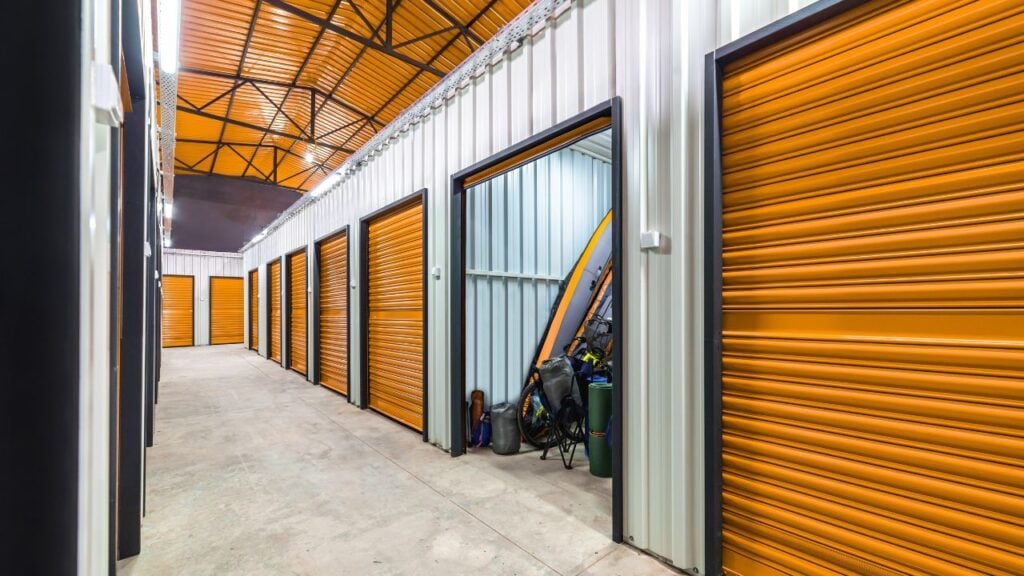
Your storage unit may be out of sight, but your rental agreement still applies.
Fall behind on payments, and the fallout can go beyond losing access to the unit.
9 Things That Can Legally Happen to Abandoned Storage Unit Property in Michigan
10 Ways One Side of Michigan Feels Like a Different State From the Other

Michigan's Upper and Lower Peninsulas can feel like two different states.
The differences can go further than you might expect.
10 Ways One Side of Michigan Feels Like a Different State From the Other
