
12 Dead Giveaways You’ve Lived in Oregon Too Long

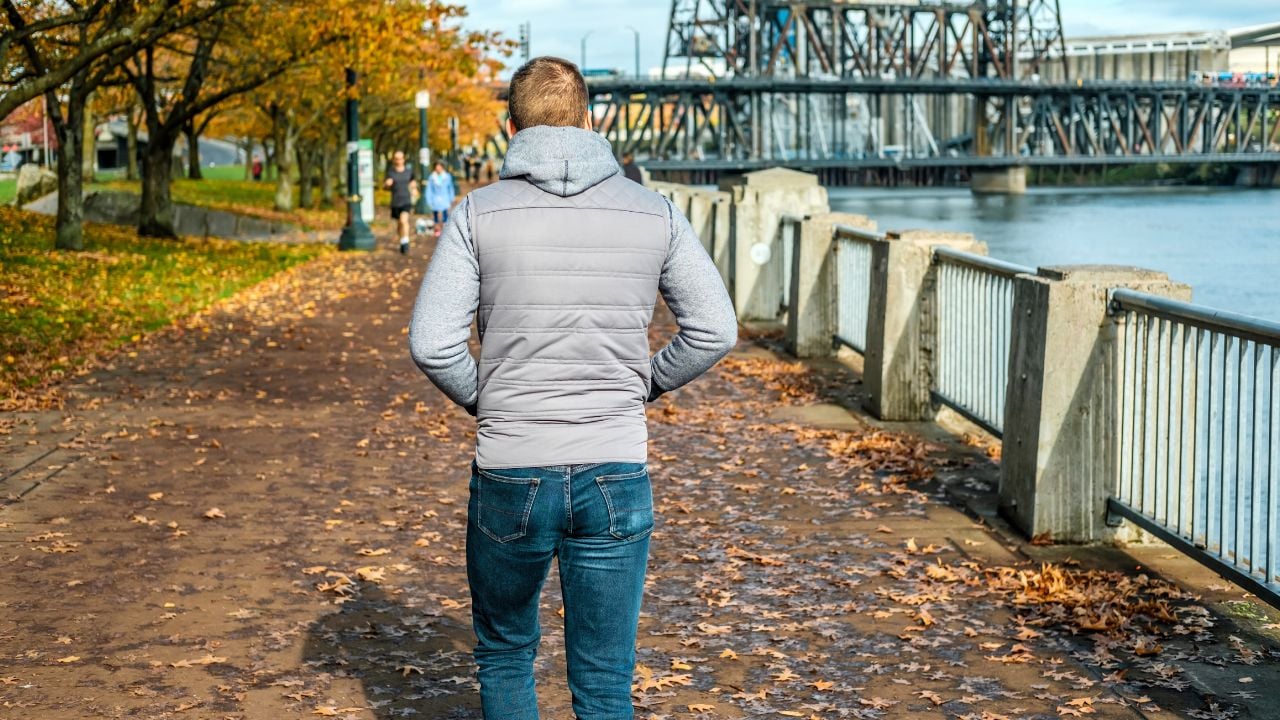
If a November drizzle starts while you’re walking to your car, you probably just pull up your hood and keep going.
That’s the kind of thing you stop noticing after enough years in the Beaver State.
Here are the dead giveaways you’ve lived in Oregon too long.
1. Waiting for the Gas Attendant
For decades, a gas station attendant pumped your gas because Oregon was one of only two states that required an attendant at the pump.
The rule dated to 1951, when the state adopted it to improve safety and protect jobs.
Then House Bill 2426 passed in 2023, and self-serve became available statewide for the first time in 72 years.
You might still catch yourself idling at the pump, waiting for someone to walk over.
2. Skipping the Sales Tax Math
Oregon’s Department of Revenue says the state doesn’t have a general sales tax, so you probably stopped doing the math at the register years ago.
Voters have been asked before: 89% rejected a sales tax plan in 1969, the sixth time they said no.
The question came back to the ballot three more times, lastly in 1993, and the answer stayed no.
Washington, across the Columbia River, charges a 6.5% state rate plus a local add-on.
A receipt from another state can come as a jolt when it adds a tax line.
3. Your Ballot in the Mailbox
You might not remember the last time you stood in line to vote.
Oregon conducts elections exclusively by mail, and voters registered 21 days before an election get a ballot at home.
The Legislature first approved vote by mail on a limited basis in 1981, then moved every election to mail in 2007.
Return postage has been prepaid since 2020.
Every household also gets a Voters’ Pamphlet covering the candidates and measures on your ballot.
4. Waiting on the Kicker
The kicker is a credit on your Oregon return for odd-numbered years when state revenue beats its forecast by more than 2%.
The law dates to 1979, and voters wrote a version of it into the constitution in 2000.
On 2025 returns, it came to 9.863% of 2024 tax liability.
Lots of longtime locals plan a big purchase around the kicker.
5. Green BottleDrop Bags
Many longtime locals keep a BottleDrop Green Bag of empties by the back door.
Gov. Tom McCall signed House Bill 1036 on July 2, 1971, and Oregon had the first bottle bill in the country.
BottleDrop pays 10 cents on qualifying containers and credits each bag to your account within seven days.
6. Rain Without an Umbrella
Many longtime locals pull up a hood and keep walking when the rain starts.
In Portland, showers are typically short-lived, according to Travel Portland, which is why Portlanders have a reputation for never carrying umbrellas.
Toward mid-October, rain showers get more common there.
After a few Novembers, you trust a good rain jacket more than any umbrella.
Psst! How much do you know about the place you call home? Take our quiz and see if you can ace it.
Quiz
Oregon Insider IQ
Answer nine questions on the names, places, and symbols of the state you call home. We bet you can’t get them all right. Prove us wrong?
What makes Oregon’s state flag unusual among U.S. state flags?
7. Studded Tire Season
A lot of drivers who cross the mountain passes plan their tire swap around studded tire season.
You can use studded tires from Nov. 1 through March 31, and driving on them outside those dates carries a fine of nearly $200.
The Oregon Department of Transportation encourages chains or non-studded traction tires instead because studded tires damage pavement.
Traction tires, marked with a three-peaked mountain and snowflake on the sidewall, work about as well as studded tires on ice.
8. Filbert, Not Hazelnut
Filbert and hazelnut name the same nut, and the Oregon Filbert Commission decided in 1981 to emphasize the name hazelnut.
The Legislature made it the state nut in 1989 under either name.
The Willamette Valley produces approximately 99% of US hazelnuts.
If you grew up near those orchards, filbert might still be the word that comes out first.
9. Public Beach Access
The entire shoreline, from the Columbia River south to the California border, is open to the public.
Since the Beach Bill of 1967, you've had a recreation easement to use the dry sand up to the vegetation line.
A lot of locals walk onto any stretch of sand without wondering whose it is.
Why the Beach Stays Public
The beach first became public in 1913, when Gov. Oswald West signed legislation declaring the shore between ordinary high tide and extreme low tide a public highway.
In 1947, lawmakers changed that public highway designation to a recreation area.
The Beach Bill, which Gov. Tom McCall strongly supported, also set the ocean shore up as a state recreation area, with Oregon Parks and Recreation Department responsible for protecting it.
10. Marionberry on the Menu
Before its release in 1956, the marionberry was tested mostly in Marion County through a partnership between Oregon State University and the U.S. Department of Agriculture, and that's how it got its name.
It blends Oregon's native blackberry with some Himalaya blackberry and a bit of red raspberry.
A lot of longtime locals spot the word on a menu and order it, and you might too.
11. Blazers Loyalty
Many longtime locals still talk about the Blazers' title as if it happened last season.
The Portland Trail Blazers joined the National Basketball Association in 1970, then beat the 76ers to take the 1977 championship on June 5.
The next day, more than a quarter-million fans filled Broadway as the players' caravan inched through.
The Blazers opened the Rose Garden in November 1995 before 21,398 spectators, a record crowd and the 814th consecutive sellout, according to the Oregon Encyclopedia.
The streak ended a week later.
12. Valley Shorthand
The Willamette Valley is the largest river valley in Oregon, stretching about 150 miles from the Columbia River south to the Calapooya Divide, according to the Oregon Encyclopedia.
Settlers built Oregon City, Portland, Salem, Albany and Eugene along it, so the Valley covers more ground than you might expect.
A lot of locals use the Valley to mean Salem, Eugene or anywhere in between.
The Valley's elevation is about 10 feet above sea level where the Willamette River joins the Columbia, and it rises to about 450 feet south of Cottage Grove.
9 Oregon Town Names Locals Pronounce Nothing Like They're Spelled

Read an Oregon road sign out loud, and someone may politely correct you.
Sound out Yachats or Champoeg the way they're spelled, and you won't come close.
9 Oregon Town Names Locals Pronounce Nothing Like They're Spelled
4 Oregon Coast Towns Where Plenty Stays Open After Summer Ends
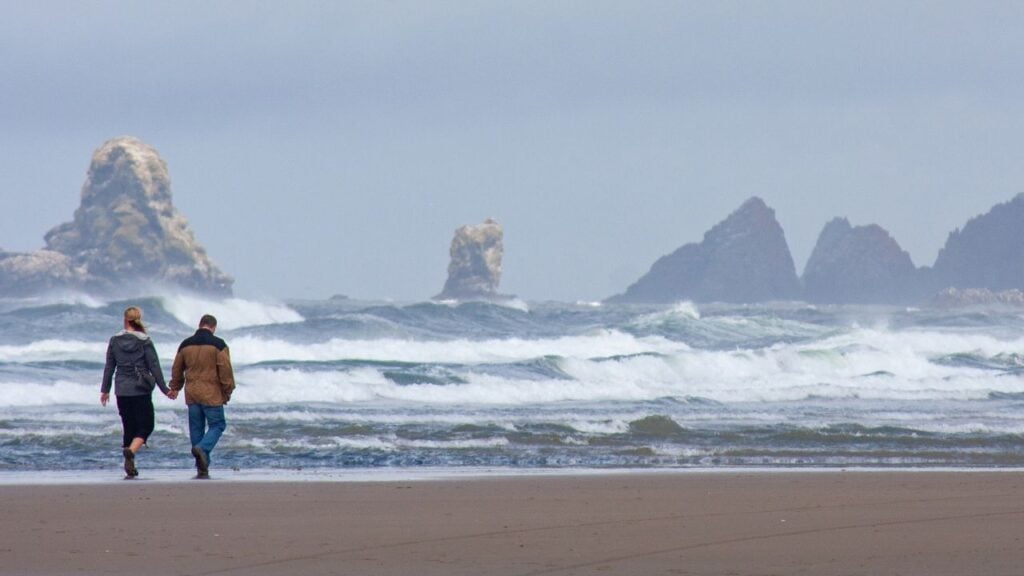
Once summer ends, it's easy to assume the Oregon coast shuts down with it.
Oregonians willing to pack a jacket might be surprised how much is still going.
4 Oregon Coast Towns Where Plenty Stays Open After Summer Ends
