
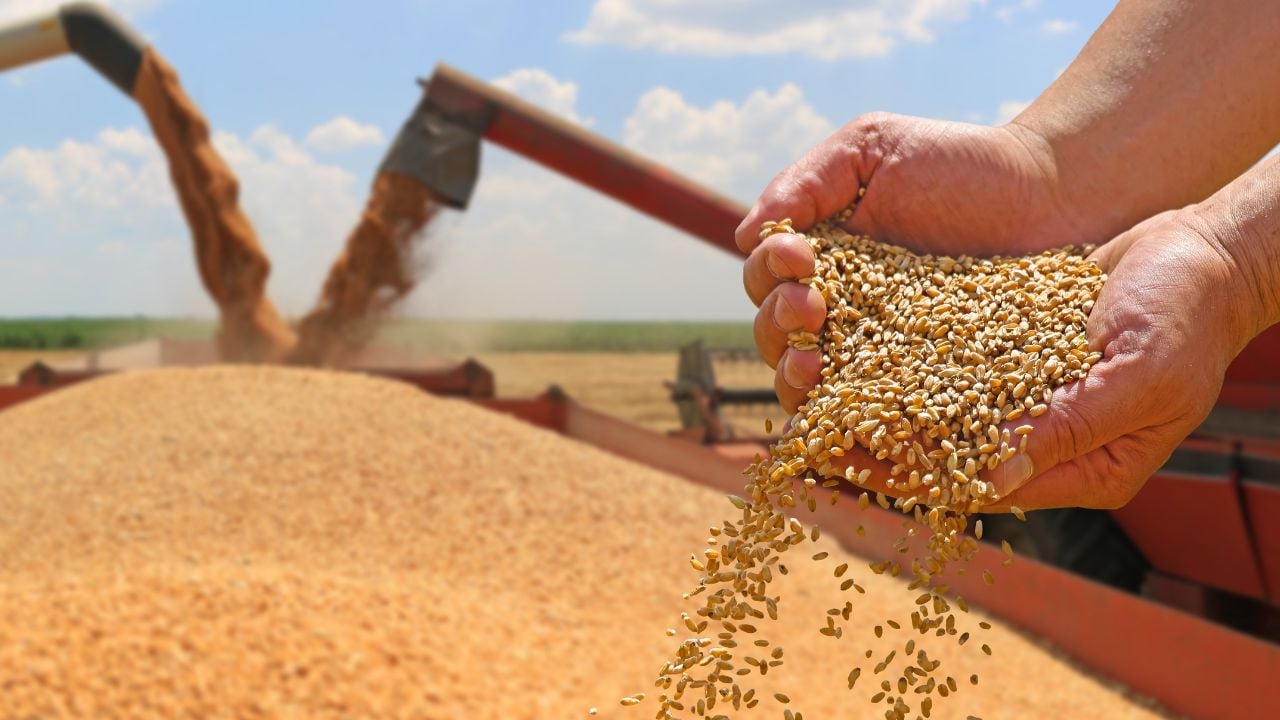
6 Things That Happen at a Kansas Grain Elevator After Harvest That Many Kansans Drive Past Without Knowing

Grain elevators are the tallest thing for miles in a lot of Kansas towns.
Once the combines go quiet, it’s easy to assume nothing much happens inside them.
These are the things that happen at a Kansas grain elevator after harvest that many Kansans drive past without knowing.
1. Your Scale Ticket
Your scale ticket comes from a licensed Kansas elevator, which has to weigh and grade the grain you deliver.
It lists your gross weight, the tare, and your net weight, which is the load without the truck.
Unless you sell the grain on the spot, that ticket likely carries no price, according to a 2016 column from a Barton Community College ag instructor.
Kansas law defines the owner of stored grain as the holder of its warehouse receipt or ticket.
Storage under a scale ticket alone is called open storage.
Keep the ticket.
Most commercial scales carry a sticker showing a certification within the last 365 days, according to the same column.
You’re allowed to ask to see that sticker.
The column also says you must be able to view a readout of the weight, even if that means stepping out of the truck on an older scale.
2. Your Load Sample
Your grain’s grade begins with a sample of your load, since federal wheat standards start from one.
Test weight is how many pounds a bushel of grain weighs.
Hard red winter wheat needs at least 60 pounds a bushel to make the top federal grade, and 58 pounds to make the next one down.
Dockage is the other number.
It means everything in the sample that isn’t wheat and comes out with an approved cleaning device, plus shriveled bits of wheat.
Graders judge the rest of the grain once the dockage is out.
In Kansas Wheat’s Day 1 harvest report for 2026, in early June, a Sumner County farmer reported test weights of 59 and 60 pounds and protein around 11 percent.
On test weight alone, a 59-pound load misses the top grade but clears the next one down.
One pound changes the grade.
3. Delayed Pricing
A grain elevator can take delivery of your grain now and set the price later.
Kansas law calls that delayed pricing.
It covers any method of pricing grain, under a grain purchase contract, after the grain reaches a public warehouseman.
So you can unload, get your scale ticket, and still have no price set on the grain.
That’s the law’s term for a business that stores grain for the public.
Deferred payment is a separate term for money that arrives after delivery.
That makes two clocks.
Both live in your grain purchase contract, so the day you unload and the day you learn your price don’t have to match.
Psst! How much do you know about Kansas wheat country? Take our quiz and see if you can ace it.
Quiz
Kansas Farm IQ
Answer these questions on Kansas wheat, crops, and farm history. We bet you can’t get them all right. Prove us wrong?
During the Civil War, Kansas farmers began raising which crop to replace the supply lost when the South seceded?
4. Your Grain Basis
Your grain basis is the gap between the cash price your elevator quotes and the nearby futures price.
K-State's online basis tool defines it as the cash price minus the nearby futures price.
Local supply and demand change that gap, and so do transportation costs.
Basis Math on One Load
Say nearby futures sit at $6.00 a bushel and your elevator bids $5.50, which makes the basis minus 50 cents.
On a 1,000-bushel load, that bid brings $5,500.
If the basis narrows to minus 30 cents while futures hold at $6.00, the same load brings $5,700.
5. Emergency Bin Space
A licensed elevator can use emergency storage, which is space outside its licensed storage.
It needs written approval from the Kansas Department of Agriculture first, according to the state regulation.
Wheat in emergency storage has to move into licensed storage by August 31 of the year it went in, unless the state grants a short extension.
Soybeans are the exception.
They can't go into emergency storage at all, so you can't count on that space for your soybeans.
The elevator also has to keep grain in emergency storage in good condition and keep a weighed bushel figure for it.
In licensed, conditional, and emergency storage alike, each bin can hold only one type of grain, so your milo and your corn can't share.
6. Unit Train Loading
Garden City Co-op's River Valley Terminal in Holcomb is a grain terminal built to load whole trains, according to CHS Inc..
A full unit train there moves 425,000 bushels of wheat, or 450,000 bushels of corn or milo.
In mid-April 2025, the crew loaded a 116-car Burlington Northern Santa Fe (BNSF) Railway train with hard red winter wheat bound for export.
That was in spring, months after harvest, so unit train loading can come well after the combines stop.
Each car takes about 3,700 bushels and fills in just over four minutes.
The crew can fill or unload a unit train in 10 hours or less.
Your 1,000-bushel load would be less than a quarter of one percent of a full wheat train.
The terminal has 1.2 million bushels of storage, sits on the BNSF Railway main line, and uses radio frequency identification technology to track each car.
Rail carriers often give customers incentives for loading and unloading trains quickly, CHS says.
Crew members test the wheat during loading to check that it meets the buyer's specifications.
Once a car is full, the crew closes the lid and attaches a new seal, which makes the cargo tamper-evident in transit.
7 Things Kansans Do on Friday Nights That Nobody Else Would

Friday nights can start to feel the same after a while.
Kansans have some ways of spending them that you won't find just anywhere.
7 Things Kansans Do on Friday Nights That Nobody Else Would
5 Things Kansans Do Every Year Once Wheat Harvest Starts
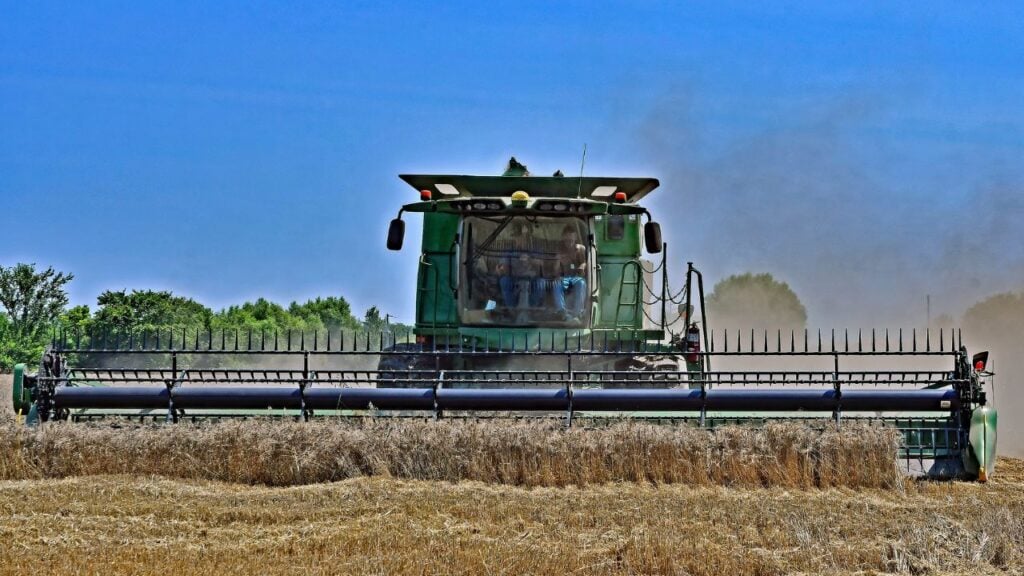
Kansas grew more winter wheat than any other state in 2024.
When harvest starts, Kansans have a few routines of their own.
