
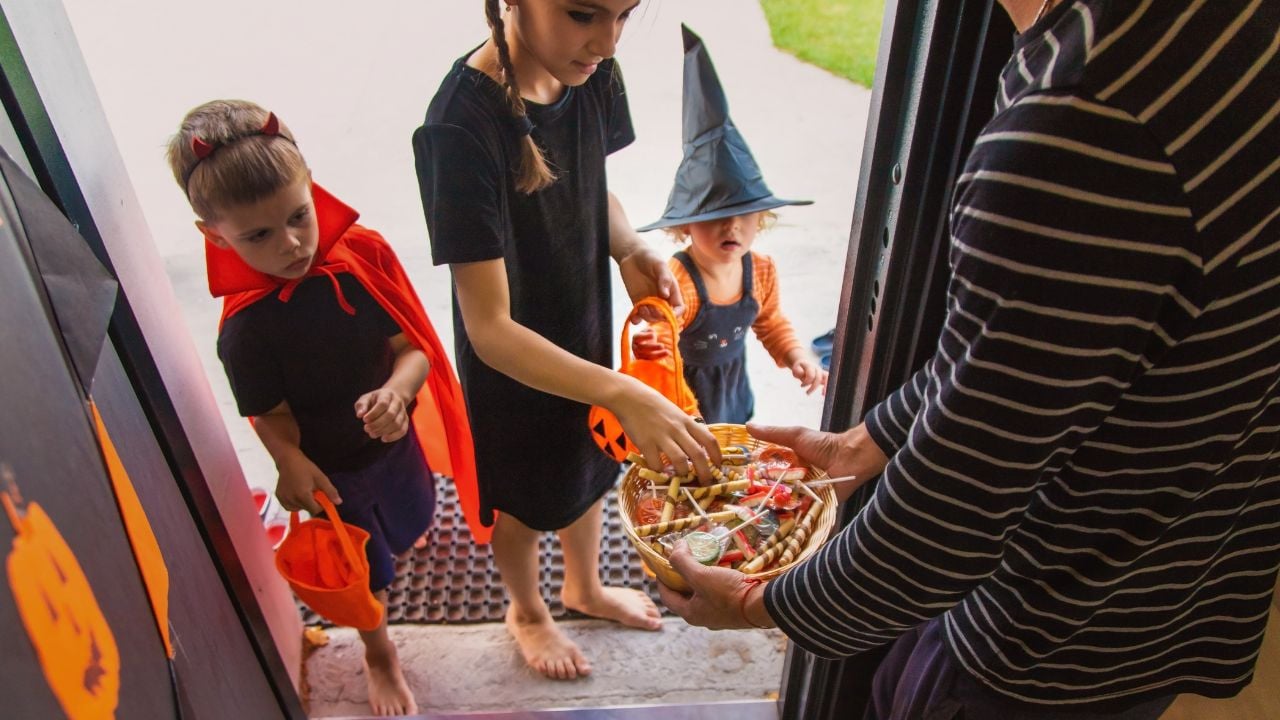
Halloween Candy Costs 7.7% More This Year. What That Means for Floridians Stocking Up for Trick-or-Treaters

Halloween is on Saturday, and the newest candy price figures are already out.
With food prices up 2.5% from a year ago, that bag of fun-size candy you grab for your trick-or-treaters will likely ring up higher than you remember.
Here’s what that means for Floridians stocking up for Halloween.
Where the Number Comes From
The 7.7% is the change in the U.S. Bureau of Labor Statistics (BLS) consumer price index (CPI) for candy and chewing gum sold all year, not just the fun-size bags of October, comparing September 2026 with September 2025.
BLS published it Oct. 14, so the 8.1% in an Oct. 11 FOX 9 report covered August, and the September reading came in lower.
Overall consumer prices rose 3.7% over the same 12 months, so candy and gum prices rose a bit more than twice as fast as prices overall.
Candy prices rose faster than grocery prices, too, since food at home, the grocery side of the food index, rose 1.8%.
All of these figures are U.S. city averages, not Florida prices.
Whether you’re buying for a handful of trick-or-treaters or a crowd, the 7.7% is the national starting point.
That’s the national number.
Psst! How much do you know about Halloween’s history? Take our quiz and see if you can ace it.
Quiz
Halloween Candy Trivia
Answer these questions on Halloween history and candy. We bet you can’t get them all right. Prove us wrong?
Candy corn was first sold in 1898 under what name?
Candy Next to Other Sweets
Candy and gum rose faster than the broader sugar and sweets group, which gained 5.5%, while other sweets rose 0.7% and snacks fell 0.3% in the same food index.
The path there wasn't smooth.
Candy and gum prices were highest in June, lower in August and up slightly in September, according to St. Louis Fed data.
June's reading was the highest of any month from January through September 2026.
Against last September, candy and gum prices average 7.7% higher, but against June they're roughly flat.
Your store's prices can differ, since 7.7% is an average across all U.S. cities and all candy and gum.
The year-over-year figure slipped from 8.1% to 7.7% because last year's index rose 0.7% from August to September, while this year's rose 0.3%.
BLS gives candy and gum a weight of about 0.24% in the index as of August 2026, so by our math a 7.7% rise there adds about 0.02 percentage points to the 3.7% overall rate.
The Math Behind Halloween Candy's 7.7%
The sugar and sweets group has a weight of about 0.33%, so by our math candy and gum makes up roughly three-quarters of that group's weight.
The 7.7% comes from two index levels: 213.101 for September 2025 and 229.543 for September 2026.
Divide 229.543 by 213.101 to get about 1.077. Subtract 1, and that's the 7.7% rise.
The 2026 index stood at 230.044 in June, 228.786 in August and 229.543 in September.
The 8.1% used the same math on August's levels, 228.786 against 211.596.
What Shoppers Plan to Spend on Candy
The National Retail Federation (NRF) expects shoppers to spend $4.1 billion on Halloween candy this year, and the group calls candy the most popular purchase on its list.
That $4.1 billion is a forecast built from a survey, not a count of candy sold.
NRF also lists handing out candy as the top way people plan to celebrate, at 61%.
If prices on your Halloween list run higher than you expected, you'd have company: 31% of consumers said they'd comparison-shop and 26% said they'd look for coupons or sales.
Prosper Insights & Analytics fielded the survey Sept. 1 to 9 among 7,889 consumers, before the September price figures came out.
Plans aren't purchases.
Its results describe what people plan to do, and they're national figures.
The Next Candy Price Report
The next candy and gum reading covers October, and BLS schedules it for Nov. 10, after Halloween.
BLS plans to release it at 8:30 a.m. Eastern.
Halloween will be over.
So if you shop this week, the 7.7% is the newest figure you'll have.
FRED, the St. Louis Fed's data site, lists no value for October 2025 in its candy and chewing gum series.
Pricing Your Candy Bowl
The series runs monthly from December 1997, so you can scroll back through decades of candy and gum price levels.
Florida had 8,752,810 households in the Census Bureau's 2020 to 2024 estimates, with an average of 2.51 people in each.
How far a bag stretches in any of them depends on how many trick-or-treaters knock and how many pieces each one gets.
Say you hand out two fun-size pieces of Halloween candy to each of 50 trick-or-treaters.
That's 100 pieces.
Suppose a 100-piece bag cost $12 last year.
A 7.7% rise puts it at about $12.92, or roughly a penny more a piece, at about 12 cents each last year and about 12.9 cents now.
Those are round numbers chosen for the arithmetic, not a price from any store or a count of trick-or-treaters.
At 7.7%, every $10 of candy you bought last year would cost about 77 cents more, and every $100 would cost about $7.70 more.
Say your household spent $30 on candy last year, another round number for illustration.
A 7.7% rise would put the same cart at about $32.31, or $2.31 more.
If you spent $50 last year, the same cart would run about $53.85, or $3.85 more.
Double the crowd to 100 trick-or-treaters, and two such bags run $24 at last year's price and about $25.85 now.
At 150 trick-or-treaters, you'd need 300 pieces, or three bags: $36 at last year's price and about $38.77 now.
Is a Publix BOGO Always the Cheapest? 4 Items Floridians Can Get for Less at Aldi or Walmart
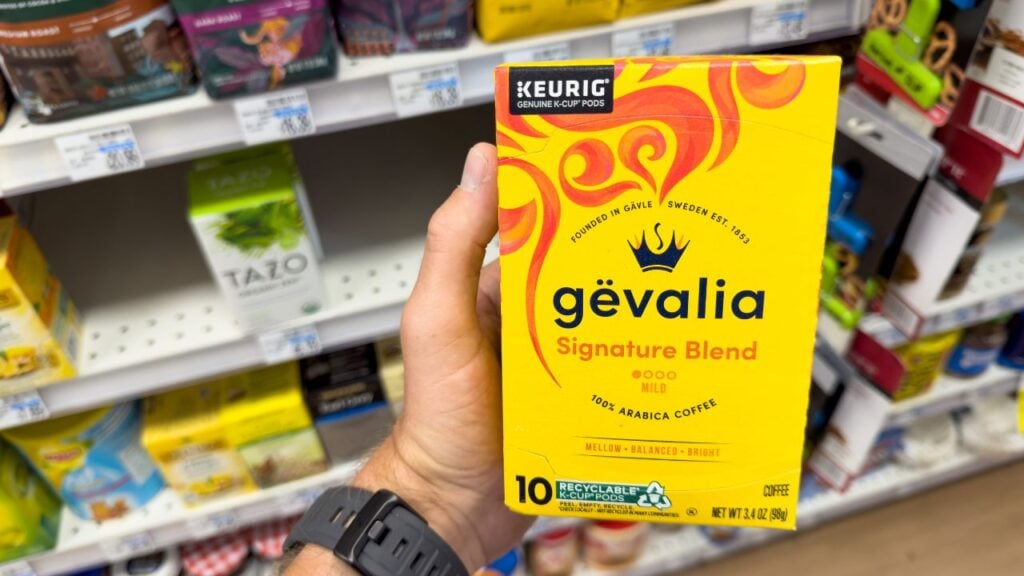
Buy one, get one free sounds like the lowest price around.
In a September check of one Publix near Port Orange, some BOGO prices came in higher than a comparable item at other stores.
Is a Publix BOGO Always the Cheapest? 4 Items Floridians Can Get for Less at Aldi or Walmart
9 Florida Citrus Facts Most Floridians Never Learned in School
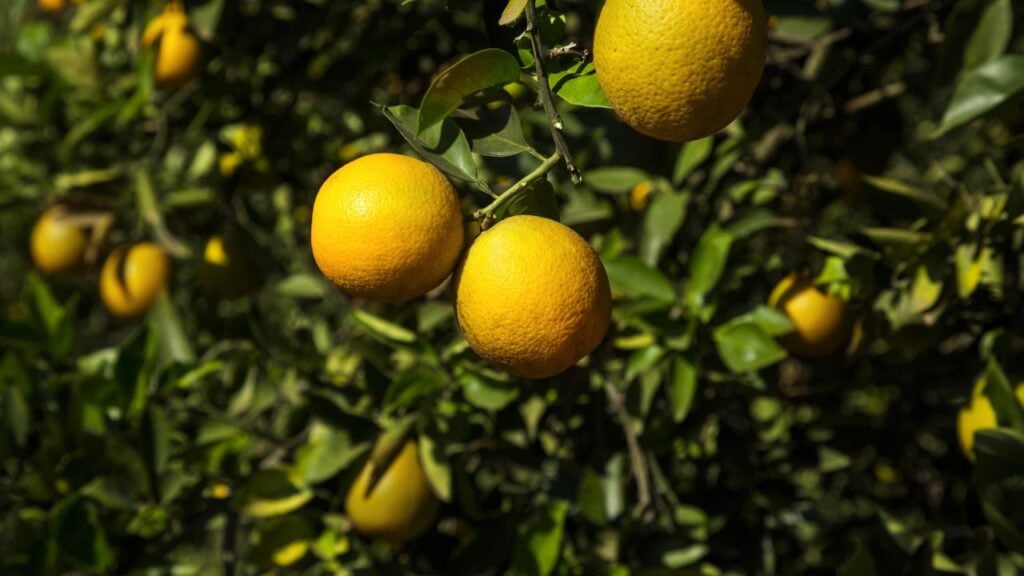
An orange doesn't have to look orange to be ready to eat.
Here are the citrus facts that change how you look at the produce aisle.
9 Florida Citrus Facts Most Floridians Never Learned in School
